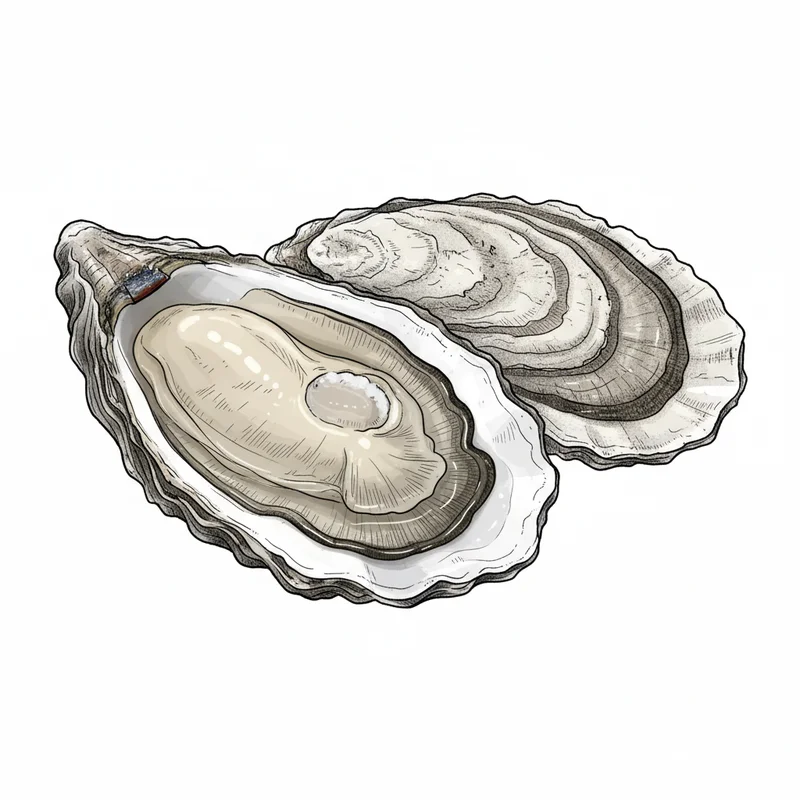
Chesapeake Gold
Crassostrea virginica
Sustainably farmed in the brackish waters of St. Jerome Creek, southern Maryland. Large and plump with complex, sweet flavor, balanced salinity, and distinctive earthy, rusty finish.
At a Glance
Chesapeake Gold is an Eastern oyster (Crassostrea virginica) from the US East Coast. It is moderately briny (3/5 brininess) and distinctly sweet (4/5 sweetness), with sweet, complex flavors and a finish that is slightly rusty, alkaline, earthy. It is considered a beginner-friendly oyster.
Flavor Profile
Finish
Slightly rusty, alkaline, earthy
Expert Notes
Chesapeake Gold oysters showcase the ideal brackish conditions of St. Jerome Creek in southern Maryland, where they've been sustainably farmed since 2010. These large, plump oysters deliver a complex and earthy flavor profile with notable sweetness balanced by medium salinity. The distinctive rusty, alkaline finish reflects the unique terroir of their shallow lagoon habitat, creating an oyster that's both accessible and sophisticated with artichoke-like notes. Origin & Characteristics
- Species
- Crassostrea virginica
- Native to
- USA
- Grown in
- St. Jerome Creek, Southern Maryland, Chesapeake Bay
- Size
- Large (up to 4 inches)
- Shell Color
- White to gray-white
- Meat Color
- Plump cream
What Experts Say
Across 7 sources, tasters describe this oyster as:
Unique notes: floral sweet melon, jerusalem artichoke, creamed corn, soft salt, bitter-salty
"Medium salinity followed by a firm texture finished with a progression of marine inspired flavors including a floral sweet melon."
medium salinityfirm texturemarinefloralsweet melon
"Clean, crisp, with a 'soft salt' finish."
cleancrispsoft salt
"The lack of salt allows a pure, clean 'oysterness' to shine through–kind of a marine version of jerusalem artichoke and creamed corn. Some Chesapeake Golds are being 'salted up' near Chincoteague Bay, giving them an intense, bitter-salty Atlantic brine."
purecleanmarinejerusalem artichokecreamed corn
"Very mild briny flavor with a medium texture and a sweet corn finish."
mild brinymedium texturesweet corn
"Deep cupped oysters with a strong ocean flavor and a sweet, complex finish."
strong oceansweetcomplex finish
"Medium salinity accenting the taste of the crisp, plump meat with smooth hints of cucumber finish."
medium salinitycrispplumpsmoothcucumber
About the Farm
Hoopers Island Oyster Company
Est. 2010Co-founded by Johnny Shockley, a third-generation Maryland waterman who transitioned to aquaculture, and Dorchester businessman Ricky Fitzhugh. The company now leases 365 acres of the Chesapeake Bay.
- Cultivation Method
- off-bottom cages
History & Background
Chesapeake Gold brand started production in 2012, producing millions of oysters annually. The oysters are grown on Hooper's Island where salinity typically averages 16 ppt, though it can drop to as low as 7 ppt during rainy seasons.
Some Chesapeake Golds are 'salted up' near Chincoteague Bay, a centuries-old strategy for giving them more intense Atlantic brine. This practice allows consumers to experience the same oyster with dramatically different salinity profiles.
Did You Know?
- Also known as Hoopers Island oysters
- The oysters are prized for their distinct merroir and golden hue
- Small, thick shells that open beautifully with deep cups and full meat inside
- Available year-round
Sources & References
This information was compiled from 7 sources.
- Chesapeake Bay Oysters - Tasting Notes and Texture — hoopersisland.com
- Seafood Spectacular: Oysters — baltimoremagazine.com
- Chesapeake Gold — oysterguide.com
- Chesapeake Gold Oysters — samuelsseafood.com
- Hoopers Island Oysters - East Coast — fortunefishco.net
- Spinning Chesapeake Gold — chesapeakebaymagazine.com
- Chesapeake Gold Oyster — oysterater.com
Similar Oysters
Little Wicomico
US East CoastA balanced Virginia oyster with sweet, creamy meat and moderate brine. Sustainably farmed for four generations in the Little Wicomico River.
Umami
US East CoastA savory Rhode Island oyster from Narragansett Bay. Intensely sweet and creamy with pleasant saltiness and a clean finish. Deep-water suspension cultivation produces tender meats full of spirit and finesse.
Barnstable
US East CoastA classic Cape Cod Bay oyster from historic Barnstable Harbor. Sweet and nutty with firm, crunchy texture, balanced brine, and a distinctive lobster-stock finish reminiscent of a New England clambake.
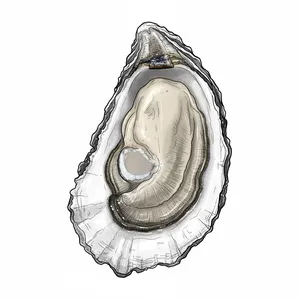
Cedar Island Select
US East CoastA flagship North Carolina oyster from Cedar Island Bay's pristine waters. Large and deep-cupped with balanced brininess and a distinctive sweet, buttery finish. Sustainably farmed in floating cages.
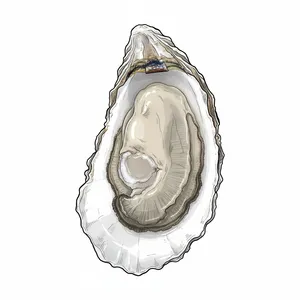
Chadwick Creek
US East CoastDelicate and buttery North Carolina oyster from Pamlico Sound. Deep-cupped with bright white shells, featuring a sweet finish and balanced brininess. Cultivated in off-bottom cages.
Learn More
The Big Five: A Complete Guide to Commercial Oyster Species
Comprehensive guide to C. virginica (Atlantic), C. gigas (Pacific), C. sikamea (Kumamoto), O. lurida (Olympia), and O. edulis (European Flat)
Read article → Biology & SpeciesThe Atlantic Oyster (C. virginica): From Maritime Brine to Gulf Sweetness
Deep dive into America's indigenous East Coast oyster - flavor profiles, regional variations, and famous varieties
Read article → Merroir & EnvironmentWhat Is Merroir? How Water Shapes Oyster Flavor
Merroir is the marine version of terroir: how salinity, temperature, tides, and plankton in the growing water shape an oyster's flavor. The science, plus how to taste it.
Read article →