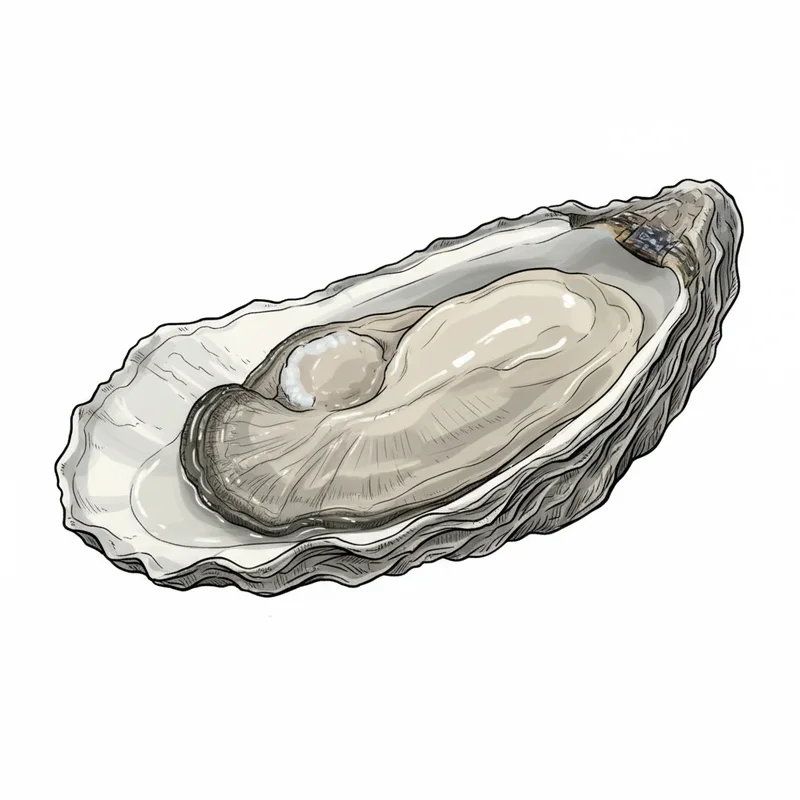
Church Point
Crassostrea virginica
A large Virginia oyster from the James River and Chesapeake Bay. Known for bold brininess, rich creamy texture, and subtle sweetness with a savory lingering finish that exemplifies classic Virginia Bay character.
At a Glance
Church Point is an Eastern oyster (Crassostrea virginica) from the US East Coast. It is notably briny (4/5 brininess) and moderately sweet (3/5 sweetness), with briny, rich flavors and a finish that is savory, lingering with subtle sweetness.
Flavor Profile
Finish
Savory, lingering with subtle sweetness
Expert Notes
Church Point oysters are classic Virginia Bay oysters that exemplify the rich character of Chesapeake Bay's James River region. These large oysters deliver a bold briny punch that reflects the nutrient-rich waters of their environment, followed by a luxurious creamy texture that gives way to subtle hints of sweetness. The savory, lingering finish makes them a standout among Virginia oysters, offering the perfect balance of salt and sweetness that defines a quintessential Chesapeake Bay experience. Origin & Characteristics
- Species
- Crassostrea virginica
- Native to
- USA
- Grown in
- James River, Virginia, Chesapeake Bay, Virginia
- Size
- Large (3-5 inches)
- Shell Color
- Gray-white
- Meat Color
- Cream to light gray
What Experts Say
Across 8 sources, tasters describe this oyster as:
Unique notes: cucumber, melon
"tide-tumbled at Church Point in Oakland Bay; crisp, clean, manicured"
crispclean
"This Pacific oyster is intertidal beach grown and partly tumbled by the Sea Fresh Farms cooperative out of Hammersly Inlet, Washington. It's a medium-cupped, fluted oyster"
"cucumber-and-melon delicacy of West Coast Church Point"
cucumbermelondelicate
"Salty oyster with sweetness and a smooth finish"
saltysweetsmooth
About the Farm
Sea Fresh Farms
Church Point oysters are grown in Hammersley Inlet about halfway between Oakland Bay and Pickering Passage on the north side of the inlet. Produced by a small family farm from hatchery produced seed, these oysters are intertidal beach grown and partly tumbled.
- Cultivation Method
- beach culture
History & Background
Church Point Manor served as the heart of one of the region's most renowned oyster farms for half a century. The waters of the Lynnhaven River produced oysters that were once coveted around the world and served to presidents and royalty for their size, saltiness and gentle zing.
The name Church Point has historical significance in multiple oyster regions - both in Virginia's Lynnhaven River area and in Washington State's Hammersley Inlet, representing distinct oyster varieties from different coasts.
Did You Know?
- Church Point Manor Victorian farmhouse dates back to 1860
- There are two different Church Point oysters - one from Virginia (Crassostrea virginica) and one from Washington State (Crassostrea gigas)
Sources & References
This information was compiled from 8 sources.
- Everything You Need to Know About Virginia Oysters — Virginia.org
- History of the Church Point Manor — Church Point Manor
- Church Point Oyster — Marinelli Shellfish
- Oyster and Hard Cider Pairings — The SF Oyster Nerd
- Waterbar Oyster Menu — Oyster Guide
- Book of the Month: Appreciating Oysters — Old Baldy Foundation
- Oyster Regions — Virginia Oyster Trail
- Puget Sound Oysters — Oysterater
Similar Oysters
Moonstone
US East CoastBold Rhode Island salt pond oyster from Point Judith Pond. Rich, intense brine with meaty texture and a sweet nutty finish. Grown using rack-and-bag nursery and bottom culture methods.
Beavertail
US East CoastLarge, deeply cupped oyster from Rhode Island's Narragansett Bay with a distinctive beaver tail shape. Bold and briny with buttery sweetness, grown in deep suspended trays that capture pure ocean flavor.
Martha's Vineyard
US East CoastA bold island oyster from Martha's Vineyard, Massachusetts. Large and deep-cupped with an intense briny hit, smooth creamy body, and sweet finish. Known for plumpness and abundant liquor.
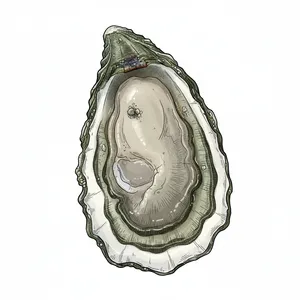
Nonesuch
US East CoastBottom-planted Maine oyster from the Scarborough River nature conservancy. Known for distinctive moss-green shells and hearty meat with a fantastic balance of brine and sweetness, finishing with unique bitter green olive notes and silky texture.
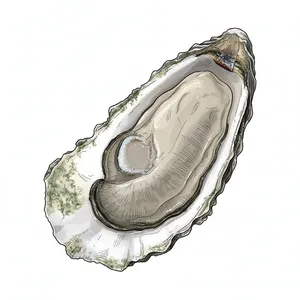
Pleasant Bay
US East CoastA deeply-cupped Cape Cod oyster from the pristine waters of Pleasant Bay in Orleans, Massachusetts. Classic Atlantic brininess with a buttery texture, crisp clean flavor, and sweet finish. Rack and bag cultivated for three years.
Learn More
The Big Five: A Complete Guide to Commercial Oyster Species
Comprehensive guide to C. virginica (Atlantic), C. gigas (Pacific), C. sikamea (Kumamoto), O. lurida (Olympia), and O. edulis (European Flat)
Read article → Biology & SpeciesThe Atlantic Oyster (C. virginica): From Maritime Brine to Gulf Sweetness
Deep dive into America's indigenous East Coast oyster - flavor profiles, regional variations, and famous varieties
Read article → Merroir & EnvironmentWhat Is Merroir? How Water Shapes Oyster Flavor
Merroir is the marine version of terroir: how salinity, temperature, tides, and plankton in the growing water shape an oyster's flavor. The science, plus how to taste it.
Read article →