Cold Creek
Crassostrea gigas
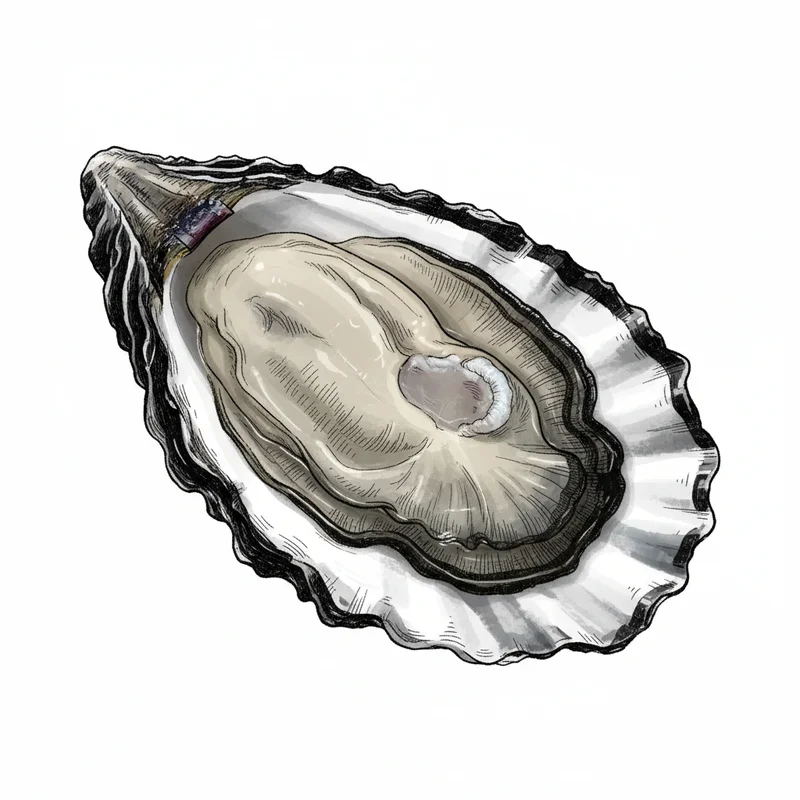
Cultivated Pacific oyster from Southern Puget Sound with plump, sweet meat and midsized white-and-black shells. Balanced brininess with a distinctive salty-melon finish reminiscent of a New England clambake.
At a Glance
Cold Creek is a Pacific oyster (Crassostrea gigas) from the US West Coast. It is moderately briny (3/5 brininess) and distinctly sweet (4/5 sweetness), with sweet, briny, melon flavors and a finish that is salty-melon with a delicate sweetness. It is considered a beginner-friendly oyster.
Flavor Profile
Finish
Salty-melon with a delicate sweetness
Expert Notes
Cold Creek oysters are cultivated in the pristine cold waters of Southern Puget Sound, where they develop plump, sweet meat with a balanced salinity. The flavor profile evokes a New England clambake with notes of sweet corn, shellfish, and salt, finishing with a distinctive salty-melon character. Their midsized white-and-black shells house firm, briny meat that delivers a delicate yet rich taste experience. Origin & Characteristics
- Species
- Crassostrea gigas
- Native to
- Japan
- Grown in
- Southern Puget Sound, Washington
- Size
- Medium (2-3 inches)
- Shell Color
- White and black mottled
- Meat Color
- Cream to light gray
What Experts Say
"Grown near Dabob Bay, the upper end of Hood Canal, these take on a good brine."
briny
"Grown near Dabob Bay, the upper end of Hood Canal, these Cold Creek oysters take on a good brine with a melon finish."
brinymelon
"Cold Creek oysters are Pacific oysters from Hood Canal, Washington, known for briny flavor and melon notes."
brinymelon
History & Background
Cold Creek oysters are grown near Dabob Bay at the upper end of Hood Canal, Washington. Hood Canal is one of the only fjords in the continental United States, characterized by steep mountains, deep waters, and glacier-carved terrain with gravelly substrate ideal for oyster cultivation.
Hood Canal is recognized as oyster nirvana in the Pacific Northwest, where Pacific oysters grow wild and are farmed throughout the length of the canal. The area features ideal hard-packed gravel bars formed where countless Olympic Peninsula rivers pour into Hood Canal.
Did You Know?
- Hood Canal is one of the only fjords in the continental United States
- Pacific oysters grow wild throughout Hood Canal in addition to being farmed
Sources & References
This information was compiled from 5 sources.
- Cold Creek Oyster — OysteRater.com
- Hog Island Oyster Co @ Napa — Live2Makan
- OysterFinder — The Oyster Guide
- Hood Canal and Southern Puget Sound — The Oyster Guide
- Inland Bays Shellfish Branding — University of Delaware
Similar Oysters
Naked Roy's Beach
US West CoastSuspension-grown Pacific oyster from Samish Bay, Washington. Rich and fruity with hints of rhubarb and sweet notes, balanced by medium brininess. Named after a local character known for perfecting his tan on the beach.
Oysterville Select
US West CoastFarm-raised Pacific oyster from Willapa Bay, Washington. Known for their smooth texture, deep cup, and delicate balance of brine and sweetness with a clean, crisp finish from pristine West Coast waters.
Sunset Beach
US West CoastBeach-raised Pacific oyster from Hood Canal, Washington. Full, plump meats with mild brininess, sweet flavor, and a distinctive melon-like aftertaste. Thick shells and crunchy texture from intertidal cultivation.
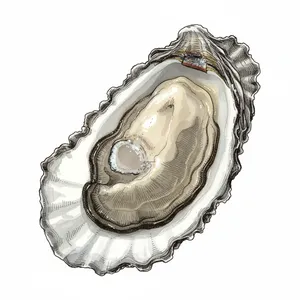
Humboldt Gold
US West CoastIntertidal beach-cultured Pacific oyster from Humboldt Bay, Northern California. Full, plump meats with medium brininess, buttery sweetness, and a clean cucumber finish. Excellent for both beginners and connoisseurs.
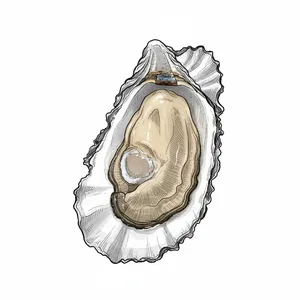
Pickering Passage
US West CoastA Pacific Northwest oyster from southern Puget Sound's nutrient-rich waters. Medium to large with tender, plump meats. Mild brine balanced with sweet richness and a crisp finish of melon and cucumber.
Learn More
The Big Five: A Complete Guide to Commercial Oyster Species
Comprehensive guide to C. virginica (Atlantic), C. gigas (Pacific), C. sikamea (Kumamoto), O. lurida (Olympia), and O. edulis (European Flat)
Read article → Biology & SpeciesThe Pacific Oyster (C. gigas): Cream, Cucumber, and the Japanese Legacy
Understanding the world's most cultivated oyster - from Japanese origins to West Coast dominance
Read article → Merroir & EnvironmentWhat Is Merroir? How Water Shapes Oyster Flavor
Merroir is the marine version of terroir: how salinity, temperature, tides, and plankton in the growing water shape an oyster's flavor. The science, plus how to taste it.
Read article →