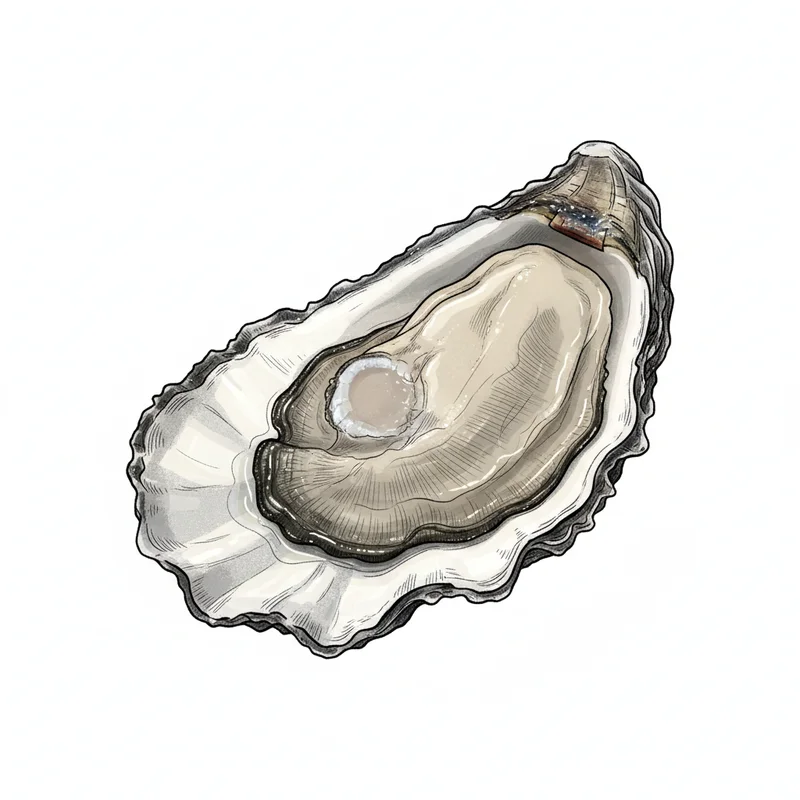
Coromandel
Crassostrea gigas
Large, plump Pacific oyster from New Zealand's Coromandel Peninsula. Distinctively sweet and salty with a pronounced watermelon-like tropical fruit finish. Firm texture and bold flavor.
At a Glance
Coromandel is a Pacific oyster (Crassostrea gigas) from New Zealand. It is notably briny (4/5 brininess) and distinctly sweet (4/5 sweetness), with sweet, briny, tropical fruit flavors and a finish that is pronounced watermelon-like aftertaste, tropical fruit finish.
Flavor Profile
Finish
Pronounced watermelon-like aftertaste, tropical fruit finish
Expert Notes
Coromandel oysters are arguably the most widely consumed oyster in New Zealand, cultivated by a cooperative of small farmers off the rustic Coromandel Peninsula. These Pacific oysters are exceptionally plump and firm, offering a unique flavor profile that balances intense saltiness with pronounced sweetness. The distinctive tropical fruit finish, often described as watermelon-like, sets them apart from other Pacific oysters and reflects the pristine waters of Coromandel Bay. Origin & Characteristics
- Species
- Crassostrea gigas
- Native to
- Japan
- Grown in
- Coromandel Bay, Coromandel Peninsula, North Island
- Size
- Large (3-5 inches)
- Shell Color
- Gray-white
- Meat Color
- Cream to pale gray
What Experts Say
Across 10 sources, tasters describe this oyster as:
Unique notes: watermelon, melon, fruity
"They have a clean, fresh flavor with a rich, briny liquor, and a slight cucumber finish. Since they are harvested during New Zealand's colder months, they have a firm, plump and buttery texture."
cleanfreshbrinycucumberfirm
"Plump, buttery meat, rich, briny liquor, and a pronounced cucumber finish with hints of melon."
plumpbutteryrichbrinycucumber
"Coromandels are sweet and salty with a pronounced watermelon like aftertaste."
sweetsaltywatermelon
"They are very salty, very sweet, and have a distinctly fruity finish."
saltysweetfruity
"Cultivated various ways by a cooperative of small farmers off the rustic and rural Coromandel Peninsula, Coromandel oysters are arguably the most widely consumed New Zealand oysters."
"Have had these both on the spot in NZ and shipped fresh to China – both cases a supreme clean tasting experience – great oysters"
clean
"It tastes clean, no irony taste, it's not that ocean salty, I can say it was low in salinity which gives it an almost buttery taste."
cleanbutterymild salinity
About the Farm
Coromandel Oyster Company Limited
Est. 1960sThe Coromandel Oyster Company has been growing oysters since the 1960s. Current farmers Anne and John Louden offer a full oyster experience from farming to processing and retail sales.
- Cultivation Method
- rack and bag
History & Background
Pacific oysters were first farmed in the Coromandel region beginning in the 1960s. The Coromandel Peninsula became one of New Zealand's main oyster production areas alongside the Bay of Islands, Whangaroa, and Mahurangi.
Coromandel oysters are cultivated by a cooperative of small farmers off the rustic and rural Coromandel Peninsula and are arguably the most widely consumed New Zealand oysters internationally.
Did You Know?
- Harvested from the pristine, pollution-free waters surrounding the Coromandel Peninsula
- Grown on intertidal racks in nutrient-rich waters
- Featured on the TV show 'Off The Grid' with Manu Feildel and Colin Fassnidge
Sources & References
This information was compiled from 10 sources.
- Oysters, Coromandel — Santa Monica Seafood
- Coromandel Oyster — Oysterology Online — Pangea Shellfish & Seafood Company
- Coromandel — Oysterater
- Epic West Coast Oyster Tasting at Waterbar — In a Half Shell
- Live Oysters — Fortune Fish & Gourmet
- Oyster Varieties — The Seafood Merchants
- Coromandel Oyster Company (Coromandel, New Zealand) — Ang Sarap
- Coromandel Oyster Company Limited — The Coromandel
- The cultured oyster — New Zealand Geographic
- Coromandel Oyster Company — Coromandel Oyster Company
Similar Oysters
Imperial Eagle Channel
Canada West CoastBeach-cultured Pacific oyster from Barkley Sound on Vancouver Island's wild west coast. Deep-cupped and plump with high brininess balanced by natural sweetness, finishing with distinctive cucumber and watermelon-rind notes.
Treasure Cove
US West CoastPremium Pacific oyster from Case Inlet in Southern Puget Sound. Deep-cupped with plump meat, offering a distinctive sweet-salty balance with crisp brininess and an intensely sweet, clean finish.
Beach Angel
Canada West CoastBeach-grown Pacific oyster from Cortes Island, BC. Firm and sweet with robust briny flavor, featuring distinctive notes of cucumber, grass, and melon rind. Crisp and ocean-fresh.
Cold Creek
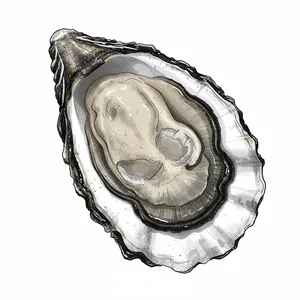
US West CoastCultivated Pacific oyster from Southern Puget Sound with plump, sweet meat and midsized white-and-black shells. Balanced brininess with a distinctive salty-melon finish reminiscent of a New England clambake.
Eagle Rock
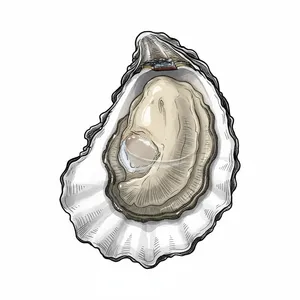
US West CoastClassic Totten Inlet oyster from South Puget Sound. Bag-to-beach cultivated for creamy, sweet meat with high brininess and the distinctive nori finish that defines the region. Saltier than most South Sound varieties.
Learn More
The Big Five: A Complete Guide to Commercial Oyster Species
Comprehensive guide to C. virginica (Atlantic), C. gigas (Pacific), C. sikamea (Kumamoto), O. lurida (Olympia), and O. edulis (European Flat)
Read article → Biology & SpeciesThe Pacific Oyster (C. gigas): Cream, Cucumber, and the Japanese Legacy
Understanding the world's most cultivated oyster - from Japanese origins to West Coast dominance
Read article → Merroir & EnvironmentWhat Is Merroir? How Water Shapes Oyster Flavor
Merroir is the marine version of terroir: how salinity, temperature, tides, and plankton in the growing water shape an oyster's flavor. The science, plus how to taste it.
Read article →