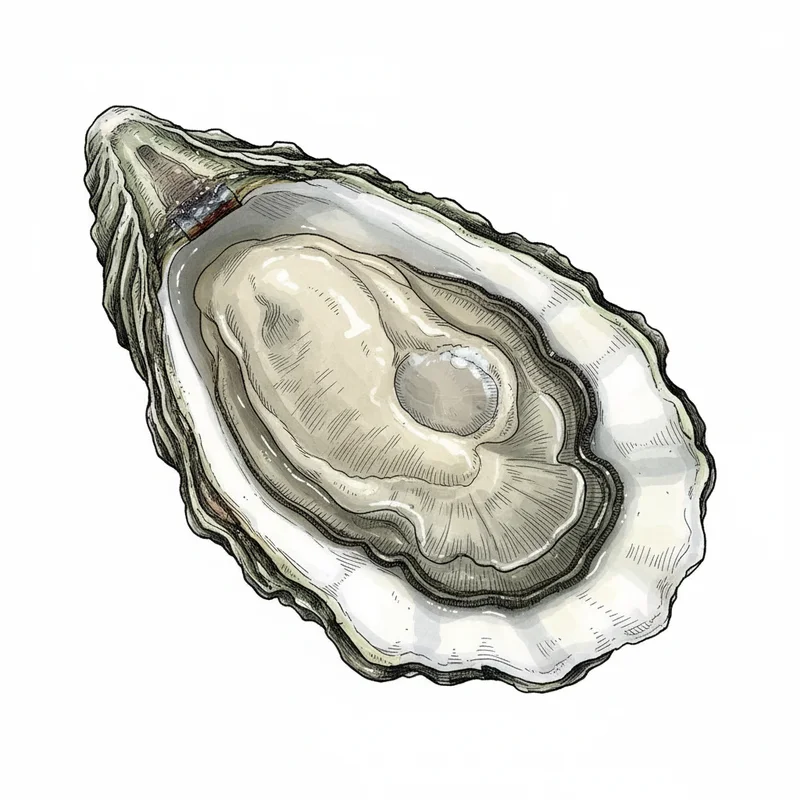
Crab Slough
Crassostrea virginica
Wild-harvested oyster from Oregon Inlet in North Carolina's Outer Banks, open only October through March. Balanced briny-sweet flavor with buttery sweet corn and asparagus notes. Strong shells and firm texture shaped by dynamic currents. Often contains tiny pea crabs, considered a local delicacy.
At a Glance
Crab Slough is an Eastern oyster (Crassostrea virginica) from the US East Coast. It is moderately briny (3/5 brininess) and moderately sweet (3/5 sweetness), with briny, sweet, balanced flavors and a finish that is buttery sweet corn and asparagus with astringent notes. It is considered a beginner-friendly oyster.
Flavor Profile
Finish
Buttery sweet corn and asparagus with astringent notes
Expert Notes
Wild-harvested Crab Slough oysters are shaped by the lively currents near Oregon Inlet, where Atlantic water funnels through the Outer Banks. This dynamic environment knocks the oysters around, forcing them to develop strong, thick shells and a beautifully cupped shape rarely seen in wild Southeast oysters. The result is a firm-textured oyster with a lovely balance between sweet and salty, featuring distinctive buttery sweet corn and asparagus notes with pleasant clammy tannins. Almost every one harbors a tiny pea crab—a local delicacy that marks these as a guarded treasure of the Outer Banks. Origin & Characteristics
- Species
- Crassostrea virginica
- Native to
- USA
- Grown in
- Oregon Inlet, Outer Banks, North Carolina
- Size
- Medium (2-4 inches)
- Shell Color
- Greenish-white with prominent ridges
- Meat Color
- Cream to light gray
What Experts Say
Across 7 sources, tasters describe this oyster as:
Unique notes: sweetcorn, asparagus, astringent, clammy tannins, razor clam-like
"They are a joy to shuck, and a joy to eat–firm, a lovely balance between sweet and salty, with a buttery sweetcorn and asparagus finish (including asparagus's astringent notes). There are some nice clammy tannins. They don't taste unlike a razor clam, actually."
firmsweetsaltybutterysweetcorn
"These are a joy to shuck, and a joy to eat–firm, a lovely balance between sweet and salty, with buttery sweetcorn and astringent asparagus notes. There are some nice clammy tannins. They don't taste unlike a razor clam, actually. Nice strong shells."
firmsweetsaltybutterysweetcorn
"Great local Winter specialty to the Outer Banks. Firm, strong shells, generally hearty meat texture, firm and briney. Easy shucking and steaming oyster. Peas crabs a plus for those not wigged out!"
firmheartybriny
"I had these over the past winter and found them to be very good with good salinity and a clean taste. As noted many have pea crabs hence the name."
saltyclean
"These wild oysters are plump, salty, and most have a pea crab in them."
plumpsalty
"Considered by some to be one of the most tasty types of Oysters. Said by many to be the perfect combination of sweet to salty, they are instantly recognized by their beaten shells complements of the Atlantic Ocean. It has a taste that combines elements of sweet and salty."
sweetsalty
About the Farm
Wild Harvest
Wild-harvested from Crab Slough area in Pamlico Sound at the southern end of Roanoke Island near Wanchese, North Carolina. The area is near Oregon Inlet where Atlantic water funnels through the Outer Banks, creating lively currents that produce exceptional wild oysters.
- Cultivation Method
- wild harvest
History & Background
Crab Slough is a legendary area for harvesting wild oysters in North Carolina's Pamlico Sound, prized for generations by local watermen. The area's proximity to Oregon Inlet creates dynamic currents that knock oysters around and force them to cup up, producing unusually strong shells and firm texture rarely seen in Southeast oysters.
Crab Slough oysters are a locally guarded treasure, available only during the October through March season. They are famous for almost always containing tiny pea crabs (hence the name), which locals consider a delicacy and a sign of good fortune. The oysters have been served at Outer Banks restaurants and oyster roasts for generations.
Did You Know?
- Almost every Crab Slough oyster contains a tiny 'pea crab' living inside - a small crustacean that feeds off the oyster's food. The crab is perfectly edible and considered a local delicacy.
- The shells are exceptionally strong compared to most Southeast oysters, which typically grow too fast to thicken their shells properly.
- The dynamic currents near Oregon Inlet force these wild oysters to cup up as if they were premium farmed oysters, creating an unusual shape for wild specimens.
- They are only available October through March when the wild harvest season is open.
Sources & References
This information was compiled from 7 sources.
- Crab Slough Oysters from NC — The Oyster Guide
- Crab Slough Oyster — Oysterater
- All About Oyster Pea Crabs (Slough Crabs) — Oyster Obsession
- About Our Locally Sourced Outer Banks Oysters — Awful Arthur's Oyster Bar
- Seafood Content/ Crab Slough Oysters — Darrell's 2 Restaurant
- Love on the Half Shell — Salt Magazine
- SUNNY SIDE is OPEN, So Things are Looking Up — Carolina Foodie
Similar Oysters
Pungoteague Creek
US East CoastClassic Virginia Bay oyster from Nandua Bay on the Eastern Shore. Perfectly balanced brininess and sweetness with a creamy, tender texture and buttery finish. A quintessential Chesapeake oyster.
Bodie Island
US East CoastThe Outer Banks' first farmed oyster from North Carolina. Medium-sized with balanced salinity, offering a harmonious blend of sweet and salt with firm texture from off-bottom tray cultivation.
Duxbury
US East CoastA balanced New England classic. Plump and tender with harmonious briny-sweet flavor, buttery notes, and a clean finish.
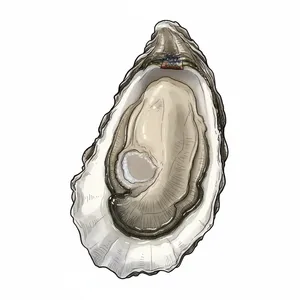
Little Island
US East CoastA bright, fresh Maine oyster from the Bagaduce River. Mildly salty with sharp brine up front, delicate meats, and a sweet, creamy finish. Surface-cultured for smooth shells and deep cups, perfect for the half-shell.
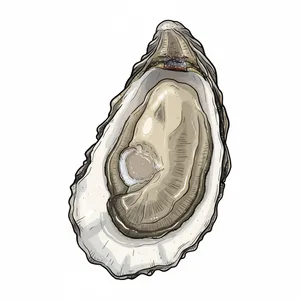
Matunuck
US East CoastA balanced Rhode Island oyster from Potter Pond. Crisp and briny with a subtle salinity, balanced by mild sweetness and a clean finish. Slowly grown over 3-5 years for exceptional quality.
Learn More
The Big Five: A Complete Guide to Commercial Oyster Species
Comprehensive guide to C. virginica (Atlantic), C. gigas (Pacific), C. sikamea (Kumamoto), O. lurida (Olympia), and O. edulis (European Flat)
Read article → Biology & SpeciesThe Atlantic Oyster (C. virginica): From Maritime Brine to Gulf Sweetness
Deep dive into America's indigenous East Coast oyster - flavor profiles, regional variations, and famous varieties
Read article → Merroir & EnvironmentWhat Is Merroir? How Water Shapes Oyster Flavor
Merroir is the marine version of terroir: how salinity, temperature, tides, and plankton in the growing water shape an oyster's flavor. The science, plus how to taste it.
Read article →