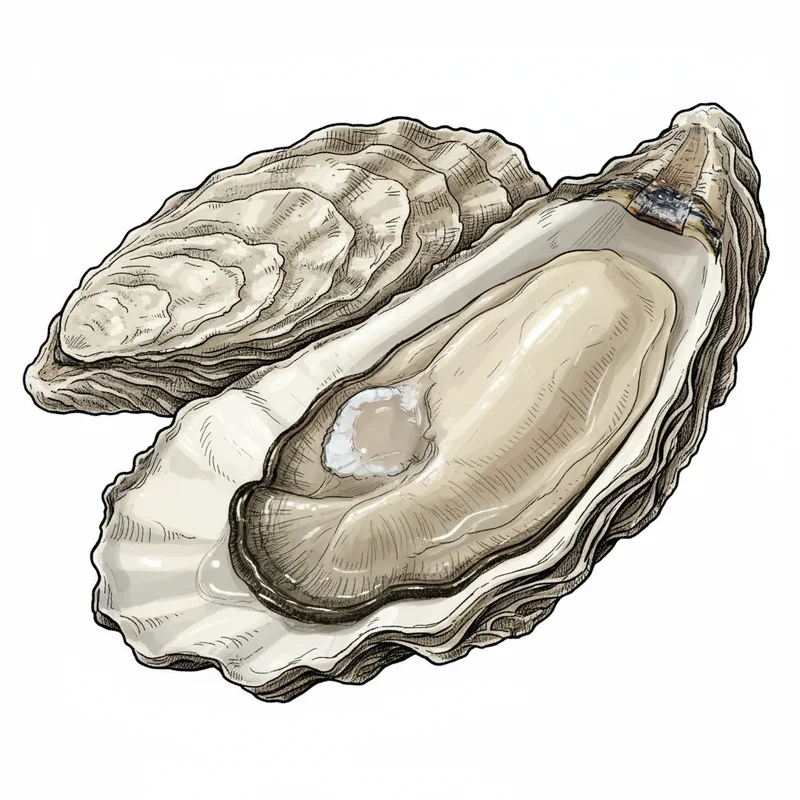
Cuttyhunk
Crassostrea virginica
Island oyster from Cuttyhunk's pristine West End Pond off Massachusetts. Intensely briny with a sweet, buttery finish. Grown in isolation with no river influence, these tender oysters showcase bold salinity balanced by distinctive sweetness.
At a Glance
Cuttyhunk is an Eastern oyster (Crassostrea virginica) from the US East Coast. It is intensely briny (5/5 brininess) and moderately sweet (3/5 sweetness), with briny, sweet, buttery flavors and a finish that is sweet, buttery, like salted butter.
Flavor Profile
Finish
Sweet, buttery, like salted butter
Expert Notes
Cuttyhunk oysters thrive in the pristine, isolated waters of Cuttyhunk Island's West End Pond, ten miles off the Massachusetts coast. Growing in an environment with no rivers and pure open ocean influence, these oysters develop an intensely briny, bold flavor that leads with a punch of salinity before yielding to a distinctively sweet, buttery finish. Their tender, light meat and impressively fluted shells reflect the natural phytoplankton diet and lantern suspension cultivation method used since 1981. Origin & Characteristics
- Species
- Crassostrea virginica
- Native to
- USA
- Grown in
- West End Pond, Cuttyhunk Island, Massachusetts, Great Salt Pond, Cuttyhunk Island
- Size
- Small to Medium (2.5-4 inches)
- Shell Color
- Fluted, irregular
- Meat Color
- Light, tender
What Experts Say
Across 10 sources, tasters describe this oyster as:
Unique notes: mild sea, sparkle, bright burst, bold
"The flavor is mild sea, all light and sparkle, and the brine is intense."
mildlightsparkleintense brine
"Cuttyhunk's are small to medium in size and uniquely briny."
brinysmall to medium
"Cuttyhunk oysters taste is light & clean with an intense brininess and tender meats."
lightcleanintense brinetender
"Grown in pristine waters of Cuttyhunk Island's West End Pond and live on natural phytoplankton; bold briny flavor."
boldbriny
"Cuttyhunk from Cuttyhunk Island, MA: Full & pleasantly firm meat complimented with a bright burst of brine which yields to a medium sweetness."
fullfirmbright brinemedium sweet
About the Farm
Cuttyhunk Shellfish Farms
Est. 1981Founded by Seth Garfield and his wife in 1981, the farm has employed hundreds of young people over 40+ years. In October 2022, Charmaine Gahan, AB'00, who had worked on the farm as a teenager, acquired it from Garfield, marking a new chapter in the company's history.
- Cultivation Method
- suspended culture
History & Background
Oysters have been grown and harvested on Cuttyhunk Island 12 months a year for the past 40+ years. Cuttyhunk Island, the westernmost of the Elizabeth Islands, has a year-round population of only forty, and West End Pond is surrounded by nothing but bayberry and sumac—researchers come here to learn what water with zero human influences should be like.
Cuttyhunk Harbor is a popular stopover for yachts on the way to Martha's Vineyard, and each evening the Floating Raw Bar makes the rounds, delivering oysters harvested that morning right to the boats.
Did You Know?
- Cuttyhunks are the only virginicas being raised in lantern nets
- West End Pond is crystal clear in winter, but in summer it louches like absinthe, turning milky-green with marine algae
- Every March while water temperature is below 45°F, a team plants 200-300,000 baby oysters by scooping 100 at a time into 3-tiered lantern nets
- The island has a year-round population of only 40 people; in December one year there were only three other people besides the farm owner
Sources & References
This information was compiled from 10 sources.
- Cuttyhunk - Massachusetts and RI - The Oyster Guide — oysterguide.com
- Out of her shell - The University of Chicago Magazine — mag.uchicago.edu
- About - Cuttyhunk Shellfish Farms — cuttyhunkshellfish.com
- Cuttyhunk Oysters - Chefs Resources — chefs-resources.com
- Process - Cuttyhunk Shellfish Farms — cuttyhunkshellfish.com
- East Coast Oysters - Wild Edibles — wildedibles.com
- Oysters - The New England Guide — marinalife.com
- East Coast Oysters - 2024 — cataneseclassics.com
- Cuttyhunk Oysters - The Oyster Encyclopedia — oysterencyclopedia.com
- CHOW Oyster Guide PDF — oysterguide.com
Similar Oysters
Norumbega
US East CoastRobust, meaty oysters from Maine's fabled Damariscotta River. Hand-harvested by scuba divers after 2-3 years bottom-planted. Sweet, buttery opening transitions to refreshing brininess with firm texture and beautiful deep cups.
Scorton Creek
US East CoastPremium Cape Cod oyster from Barnstable Harbor's Great Marsh. Bright, buttery, and exceptionally briny with firm, crisp ivory meats in deep cups. A standout from one of North America's great oyster merroirs.
Whaleback Cocktail
US East CoastSmall Maine cocktail oyster from John's River Estuary. Bottom-grown and cage-floated with crisp Atlantic brininess, buttery texture, and a clean sweet finish with mineral notes.
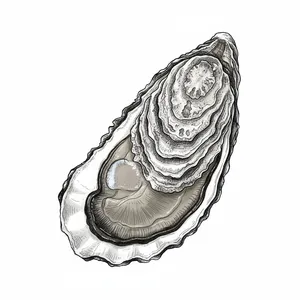
Island Creek
US East CoastThe flagship of New England oysters. Briny and buttery with firm meat, vegetal richness, and a distinctive lobster-stock finish.
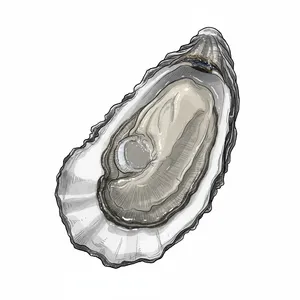
Blue Point (Great South Bay)
US East CoastThe legendary Blue Point oyster, restored to its original Great South Bay home. Full-salt brininess with sweet honeydew finish and distinctive pine and anise notes. A historic American favorite since the 1820s.
Learn More
The Big Five: A Complete Guide to Commercial Oyster Species
Comprehensive guide to C. virginica (Atlantic), C. gigas (Pacific), C. sikamea (Kumamoto), O. lurida (Olympia), and O. edulis (European Flat)
Read article → Biology & SpeciesThe Atlantic Oyster (C. virginica): From Maritime Brine to Gulf Sweetness
Deep dive into America's indigenous East Coast oyster - flavor profiles, regional variations, and famous varieties
Read article → Merroir & EnvironmentWhat Is Merroir? How Water Shapes Oyster Flavor
Merroir is the marine version of terroir: how salinity, temperature, tides, and plankton in the growing water shape an oyster's flavor. The science, plus how to taste it.
Read article →