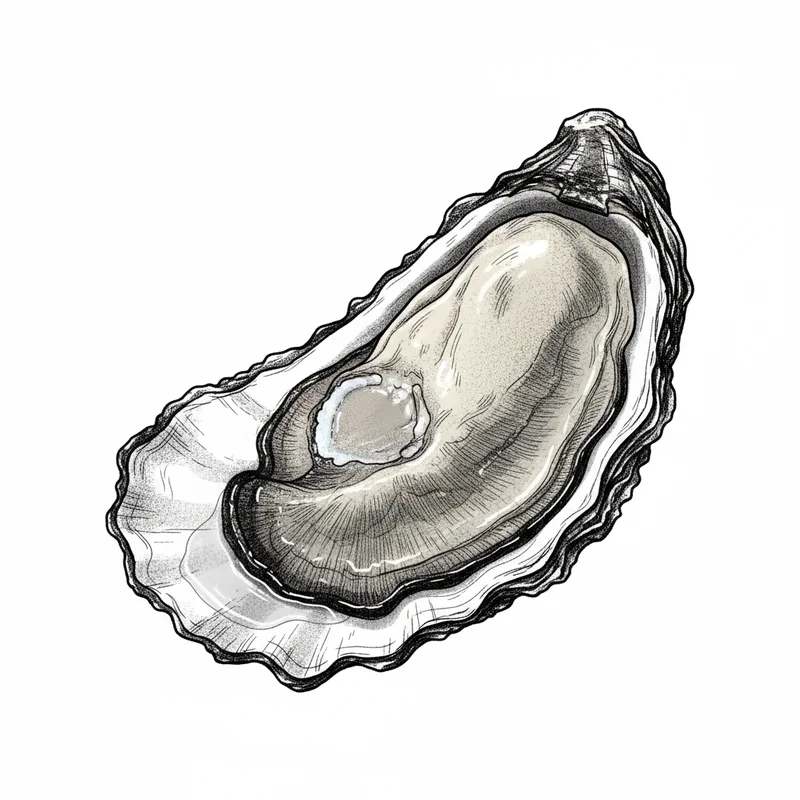
Damariscotta
Crassostrea virginica
Maine's finest. Dense, powerful oysters with thick shells, firm ivory meats, and a balanced flavor of strong brine, subtle sweetness, and mineral complexity.
At a Glance
Damariscotta is an Eastern oyster (Crassostrea virginica) from the US East Coast. It is notably briny (4/5 brininess) and moderately sweet (3/5 sweetness), with briny, sweet, clean flavors and a finish that is crisp, refreshing, with lingering sweetness.
Flavor Profile
Finish
Crisp, refreshing, with lingering sweetness
Expert Notes
Damariscotta oysters exemplify Maine's pristine cold-water oysters. Grown slowly in one of the coldest estuaries in America, they develop exceptional density and a thick, chip-resistant shell. The powerful upfront brine brightens with a mildly sweet and lemony character, accented by subtle mushroomy umami notes. Their firm, plump meats deliver a balanced, refreshing taste that's both bracing and satisfying. Origin & Characteristics
- Species
- Crassostrea virginica
- Native to
- USA
- Grown in
- Damariscotta River, Maine
- Size
- Large (3-4 inches)
- Shell Color
- Black-and-white, strong and dapper
- Meat Color
- Ivory to light gray
What Experts Say
Across 13 sources, tasters describe this oyster as:
Unique notes: bone-broth savory, lemony, grassy, seaweed, creamy finish
"That first briny kiss, the crisp minerality, the creamy finish—it's a flavor that stays with you. The cold waters of the Damariscotta concentrate flavor, giving the oysters a distinct minerality, clean salinity, and a satisfying bite."
brinymineralcreamycleansalty
"Beautifully briny with firm substantial meats that taste of buttery cream and offers a sweet clean finish."
brinybutterysweetcleanfirm
"Meats are full and pleasantly firm; you'll be impressed by the yields. Leads with a bright burst of brine, which yields to a medium sweetness."
brinysweetfirmbright
"The meat is pleasantly firm, plump and of good yield. A mildly sweet and lemony flavor is noticeable as the saltiness abates."
firmsweetlemonysaltyplump
"It should be salty, full-bodied, and clean finishing."
saltyfull-bodiedclean
"The oysters have a perfect balance to the brine. Sweet, firm and plump, these buttery beauties are easy to shuck."
brinysweetfirmbutteryplump
"Meaty, juicy, just the right brine with some grass notes."
meatybrinygrassyjuicy
"Briny, plump, with a wonderful texture."
brinyplump
"Ryan McPherson describes Glidden Point's oysters as briny and sweet. In the summer when they're really growing, the muscle starts pumping and creates that sweetness."
brinysweet
"You just can't deny the crisp brininess and bone-broth savoriness of the oysters that come out of these waters. The complex, layered seaweed and mineral notes of the Cape Blue oysters from the Damariscotta River are wonderful."
brinycrispsavoryseaweedmineral
About the Farm
Multiple farms on Damariscotta River
The Damariscotta River is home to numerous oyster farms including Glidden Point (founded 25+ years ago), Pemaquid Oyster Company (founded 1986), and Norumbega Oyster Farm (founded 2006). The river has become Maine's premier oyster-growing region due to its unique fjord-like estuary with deep, clean waters and optimal tidal movement.
- Cultivation Method
- bottom culture
History & Background
The Damariscotta River has a prehistoric connection to oysters, with ancient shell middens dating back 12,000+ years created by ancestors of the Wabanaki people. Modern oyster cultivation began in the 1970s when University of Maine professor Herb Hidu investigated oyster farming in Maine waters with funding from Sea Grant. The river became a center for commercial oyster farming in the 1980s.
The Damariscotta region has become synonymous with Maine oysters, earning the nickname 'Oyster Capital of Maine.' The area is often compared to Napa for wine, with the river's name becoming a mark of quality and regional identity.
Did You Know?
- Glidden Point oysters are one of the only oysters in the world hand-harvested by divers
- Oysters from the Damariscotta take 2-3 years to reach market size due to cold water temperatures, compared to under a year in warmer southern waters
- The Damariscotta is a fjord-like estuary that gets a twice-daily flush of cold, oxygen-rich seawater from the Gulf of Maine
- Ancient oyster shell middens in the area provide evidence of oyster harvesting dating back over 12,000 years
Sources & References
This information was compiled from 13 sources.
- Glidden Point - Oysterater — Oysterater
- The Damariscotta Influence: How Nature Shapes Flavor — Glidden Point Oyster Farm
- Damariscotta Selects — Atlantic Aqua Farms
- Damariscotta River Standard Oysters — Atlantic Aqua Farms
- East Coast Oysters | Damariscotta — Coastal Seafoods
- Damariscotta - Maine — The Oyster Guide
- Pemaquid - Maine — The Oyster Guide
- Shuck Your Own at This Damariscotta River Oyster Farm — The Maine Magazine
- Blazing the Maine Oyster Trail — In A Half Shell
- Norumbega Oysters from Damariscotta, ME — Island Creek Oysters
- History and Current Status of the Eastern Oyster — Bigelow Laboratory
- Fisheries Then: Oysters — Downeast Fisheries Trail
- More Than a Pile of Shells — Island Institute
Similar Oysters
Capers Blades
US East CoastWild-harvested blade oysters from Capers Island, South Carolina. Hand-selected by Clammer Dave from natural reefs, delivering clean, sweet meat with intensely briny, tongue-curling salty liquor and a robust, metallic finish.
Pemaquid
US East CoastA Maine institution. Large, powerful oysters with rock-hard shells, plump firm meats, and clean briny-sweet flavor with lemony zest.
Brewster
US East CoastRack-and-bag cultivated oyster from the Brewster Flats of Cape Cod Bay. Distinctly briny and mineral-rich with a clean, sweet finish reflecting the pristine waters of Massachusetts.
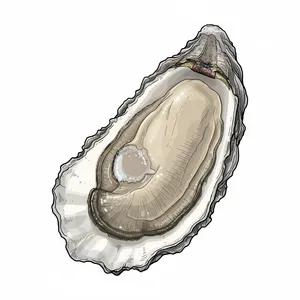
Genuine Blue Point
US East CoastThe legendary Long Island oyster harvested from Great South Bay for over two centuries. Strong, briny, and robust with satiny meats, a fresh crisp texture, and a sweet aftertaste that sparkles with mineral salinity.
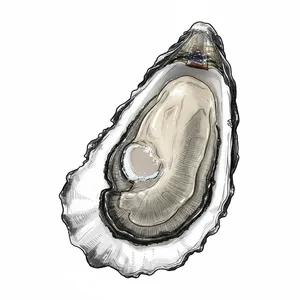
Great South Bay
US East CoastIconic Long Island oyster from the historic Blue Point grounds. Briny with high salinity, plump and meaty with firm texture, balanced sweetness, and a distinctive mineral-woody finish. Cultivated in floating cages near Fire Island Inlet.
Learn More
The Big Five: A Complete Guide to Commercial Oyster Species
Comprehensive guide to C. virginica (Atlantic), C. gigas (Pacific), C. sikamea (Kumamoto), O. lurida (Olympia), and O. edulis (European Flat)
Read article → Biology & SpeciesThe Atlantic Oyster (C. virginica): From Maritime Brine to Gulf Sweetness
Deep dive into America's indigenous East Coast oyster - flavor profiles, regional variations, and famous varieties
Read article → Merroir & EnvironmentWhat Is Merroir? How Water Shapes Oyster Flavor
Merroir is the marine version of terroir: how salinity, temperature, tides, and plankton in the growing water shape an oyster's flavor. The science, plus how to taste it.
Read article →