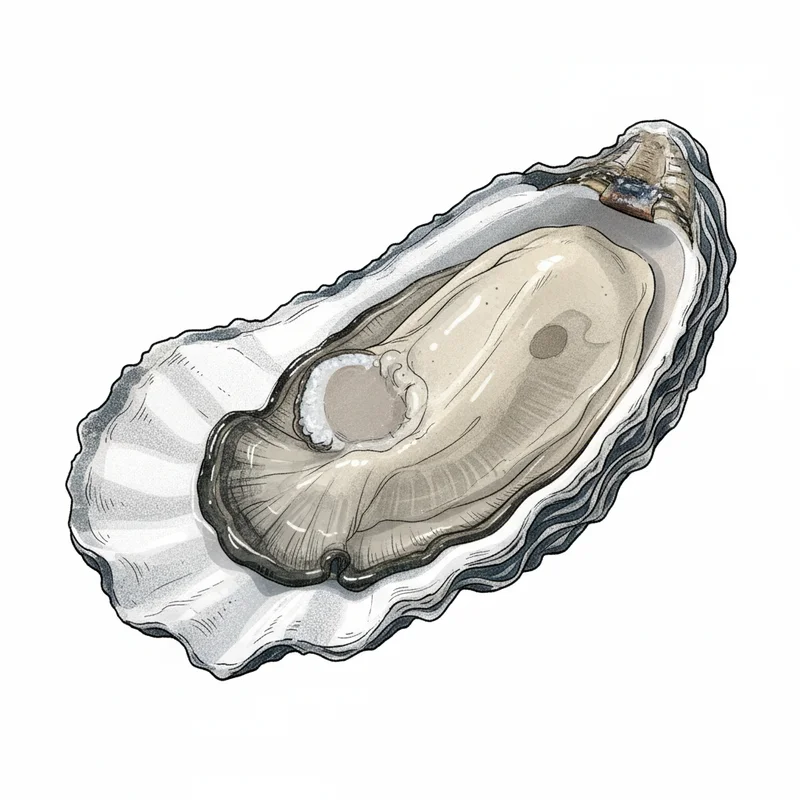
Denman Island
Crassostrea gigas
Clean, delicate Pacific oyster from Baynes Sound, BC. Sweet and balanced with moderate brine, firm texture, and a distinctive cucumber finish with hints of watermelon.
At a Glance
Denman Island is a Pacific oyster (Crassostrea gigas) from the Canada West Coast. It is moderately briny (3/5 brininess) and distinctly sweet (4/5 sweetness), with clean, sweet, cucumber flavors and a finish that is clean cucumber finish with subtle watermelon notes. It is considered a beginner-friendly oyster.
Flavor Profile
Finish
Clean cucumber finish with subtle watermelon notes
Expert Notes
Denman Island oysters are virtually identical to their neighboring Fanny Bay cousins, sheltered by the calm waters of Baynes Sound. These elongated oysters offer a clean, sweet flavor balanced by moderate salinity, allowing their natural characteristics to shine. The firm, meaty texture provides a satisfying bite, while a distinctive cucumber finish is punctuated by surprising hints of watermelon—a refreshing fruity note that sets these oysters apart and makes them exceptionally delicate and approachable. Origin & Characteristics
- Species
- Crassostrea gigas
- Native to
- Japan
- Grown in
- Baynes Sound, Vancouver Island, British Columbia
- Size
- Medium (3 inches)
- Shell Color
- Rough white with gray tones
- Meat Color
- Cream to light gray
Perfect Pairings
What Experts Say
Across 7 sources, tasters describe this oyster as:
Unique notes: watermelon finish, crunchy texture, cold-water saltiness
"Three inches, elongated, rough-shelled, with medium salt, a very clean flavor, and the familiar cucumber finish."
medium saltcleancucumber
"Clean and sweet, balanced by a moderate brininess. This balanced salinity allows the oyster's natural flavors to shine without salt dominating the palate. The meats have a 'bite,' suggesting a firm texture."
cleansweetmoderate brininessfirm
"They tend to be quite salty. Their flavor is sweet with an aftertaste similar to that of cucumber."
saltysweetcucumber
"Thick, hard shells and full meats with a clean, sweet flavor, a medium brininess and a watermelon finish."
cleansweetmedium brininesswatermelon
"A hearty oyster with a thick, rough shell. It has a fresh watermelon flavor, a cold-water saltiness, crunchy texture."
watermelonsaltycrunchy
"Deep cup with mild brin flavor - sweet and delicate meat"
mild brinesweetdelicate
About the Farm
Fanny Bay Oysters
Fanny Bay Oysters has become Canada's largest shellfish producer by fully integrating shellfish farming operations, providing top-quality products and being stewards of the marine environment.
- Cultivation Method
- suspended culture
History & Background
Denman Island is located near Fanny Bay on the east coast of Vancouver Island, British Columbia, in the Strait of Georgia. The island shelters Baynes Sound, which contains many BC oyster appellations including Chefs Creek, Fanny Bay, Deep Bay, Emerald Cove, and Ships Point.
The region has historical significance with First Nations peoples who maintained and harvested from these productive waters. The area is known for its clean, pristine waters ideal for oyster cultivation.
Did You Know?
- Denman Island shelters Baynes Sound from the open and wild Strait of Georgia, creating ideal growing conditions
- Oysters from this region are virtually identical to Fanny Bay oysters due to their proximity and shared growing waters
- The cultivation method has evolved from traditional beach-growing to a 'bag to beach' approach with minimal beach time to avoid excessive barnacles
Sources & References
This information was compiled from 7 sources.
- Denman Island - British Columbia - The Oyster Guide — oysterguide.com
- Denman Island Oysters - The Oyster Encyclopedia — oysterencyclopedia.com
- Denman Island Oyster - Marinelli Shellfish — marinellishellfish.com
- Denman Island Oysters - Chefs Resources — chefs-resources.com
- LIVE OYSTERS - Fortune Fish Co. — fortunefishco.net
- Shellfish - Buena Vista Seafood — buenavistaseafood.com
- Environment - Mac's Oysters Ltd. — macsoysters.com
Similar Oysters
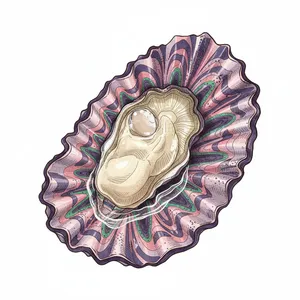
Imperial Eagle Channel
Canada West CoastBeach-cultured Pacific oyster from Barkley Sound on Vancouver Island's wild west coast. Deep-cupped and plump with high brininess balanced by natural sweetness, finishing with distinctive cucumber and watermelon-rind notes.
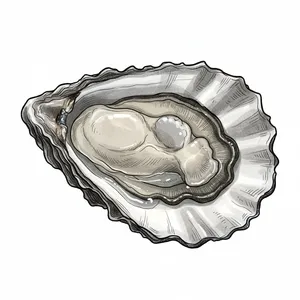
Komo Gway
Canada West CoastBeach-grown Pacific oyster from Baynes Sound on Vancouver Island. Clean, briny flavor with firm texture, subtle cucumber notes, and a slightly sweet finish. Harvested from the traditional territory of the K'ómoks First Nation.
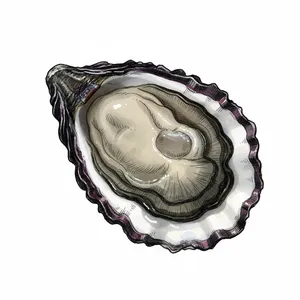
Marina's Top Drawer
Canada West CoastDeepwater suspended-tray oyster from Cortes Island, BC. Exceptionally clean and slightly sweet with subtle brininess. Features a distinctive frilly, black-and-purple shell with delicate, refined flavor.
Phantom Creek
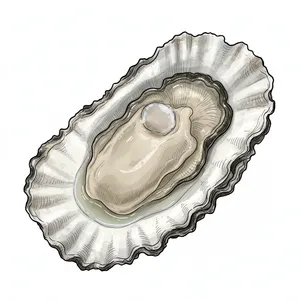
Canada West CoastA mild, sweet Pacific oyster from Cortes Island, BC. Grown using a unique suspension-to-beach method for firmer meats and stronger shells. Clean finish with delicate brininess.
Dosewallips
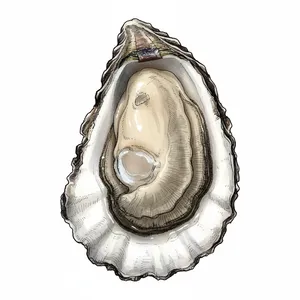
US West CoastBeach-grown Pacific oyster from central Hood Canal where the Dosewallips River meets the sea. Sweet and cucumbery with a creamy texture, balanced brininess, and a light, clean finish.
Learn More
The Big Five: A Complete Guide to Commercial Oyster Species
Comprehensive guide to C. virginica (Atlantic), C. gigas (Pacific), C. sikamea (Kumamoto), O. lurida (Olympia), and O. edulis (European Flat)
Read article → Biology & SpeciesThe Pacific Oyster (C. gigas): Cream, Cucumber, and the Japanese Legacy
Understanding the world's most cultivated oyster - from Japanese origins to West Coast dominance
Read article → Merroir & EnvironmentWhat Is Merroir? How Water Shapes Oyster Flavor
Merroir is the marine version of terroir: how salinity, temperature, tides, and plankton in the growing water shape an oyster's flavor. The science, plus how to taste it.
Read article →