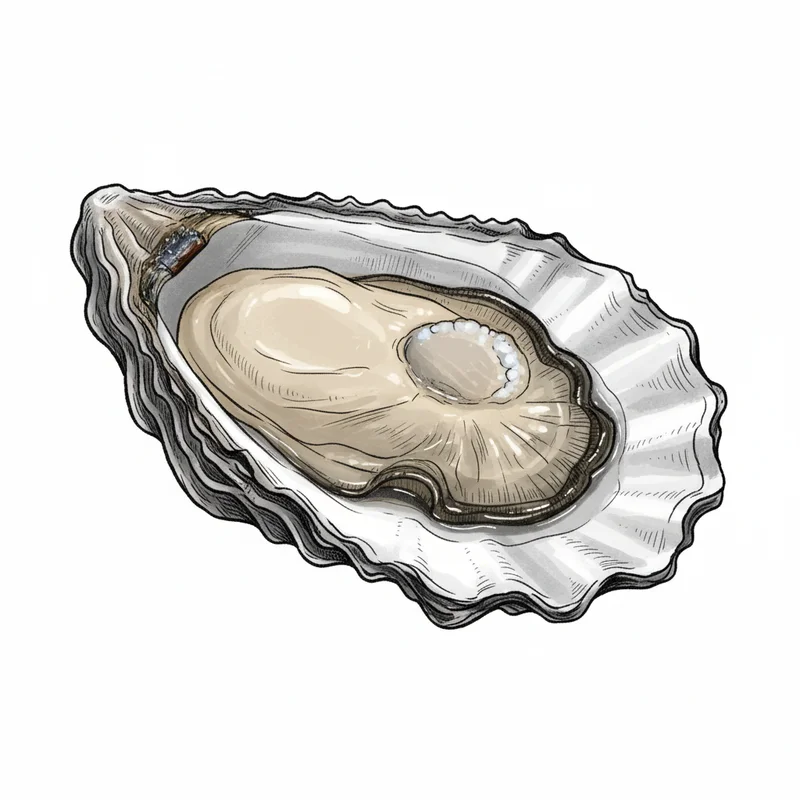
Dosewallips
Crassostrea gigas
Beach-grown Pacific oyster from central Hood Canal where the Dosewallips River meets the sea. Sweet and cucumbery with a creamy texture, balanced brininess, and a light, clean finish.
At a Glance
Dosewallips is a Pacific oyster (Crassostrea gigas) from the US West Coast. It is moderately briny (3/5 brininess) and distinctly sweet (4/5 sweetness), with sweet, cucumber, clean flavors and a finish that is light, clean, refreshing with cucumber notes. It is considered a beginner-friendly oyster.
Flavor Profile
Finish
Light, clean, refreshing with cucumber notes
Expert Notes
Dosewallips oysters are beach-grown Pacific oysters from the delta where the Dosewallips River flows from the Olympic Mountains into central Hood Canal. These oysters develop a distinctive sweet, cucumbery flavor profile with a creamy texture and balanced, medium brininess. Their intertidal beach cultivation creates hard, sturdy shells and firm meat with a clean, light finish that captures the essence of Hood Canal's pristine mountain-fed waters. Origin & Characteristics
- Species
- Crassostrea gigas
- Native to
- Japan
- Grown in
- Dosewallips State Park, Central Hood Canal, Washington
- Size
- Small to Medium (up to 3 inches)
- Shell Color
- Gray-white
- Meat Color
- Cream
What Experts Say
Across 5 sources, tasters describe this oyster as:
Unique notes: cucumbery
"sweet, cucumbery oysters"
sweetcucumber
"light, clean flavor with a creamy texture and medium brininess"
cleancreamybriny
"Wild oysters that cover the intertidal beaches of Dosewallips State Park"
wild
About the Farm
Wild Harvest - Dosewallips State Park
Wild oysters populate the beaches of Dosewallips State Park at the delta where the Dosewallips River meets Hood Canal. These oysters are available for recreational harvest with a shellfish license.
- Cultivation Method
- wild harvest
History & Background
The Dosewallips region has been historically harvested by local tribes who retained rights to harvest natural resources under the Treaty of Point No Point in 1855. The area remains one of the accessible public oyster harvesting beaches in Hood Canal.
The name 'Dosewallips' comes from the Twana language, referring to a legendary man who was transformed into Mount Anderson. The river and delta have long been significant to indigenous peoples of the region.
Did You Know?
- Dosewallips State Park oyster beds are accessible year-round with proper licensing
- These are among the few wild oysters still available for public recreational harvest in Washington State
- The oysters grow naturally on the grassy delta where Olympic Mountain rivers meet Hood Canal
Sources & References
This information was compiled from 5 sources.
- Dosewallips - The Oyster Guide — oysterguide.com
- Dosewallips Oysters — chefs-resources.com
- Dosewallips Oyster - Oysterater — oysterater.com
- Dosewallips State Park History — parks.wa.gov
- Hood Canal: Splendor at Risk — NOAA Central Library
Similar Oysters
Oysterville Select
US West CoastFarm-raised Pacific oyster from Willapa Bay, Washington. Known for their smooth texture, deep cup, and delicate balance of brine and sweetness with a clean, crisp finish from pristine West Coast waters.
Samish Bay
US West CoastBeach-cultured Pacific oyster from historic Samish Bay in Northern Puget Sound. Firm, plump meats with medium brininess, mild sweetness, and a distinctive refreshing cucumber finish. Rustic lichen-green shells.
Hammersley Inlet
US West CoastBeach-grown Pacific oyster from South Puget Sound's Hammersley Inlet. Plump and sweet with mild saltiness, rich body, and a distinctive cucumber-melon finish. Grown in nutrient-dense waters for excellent meat-to-shell ratio.
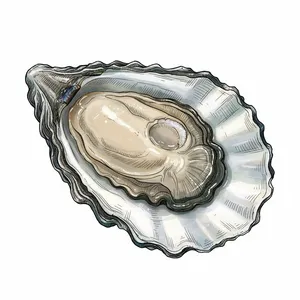
Shigoku
US West CoastTumbled Pacific with firm texture. Cucumber, melon, clean brine.
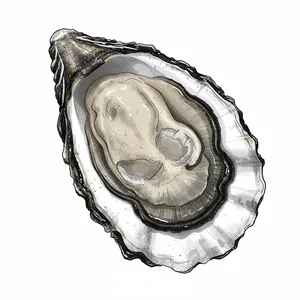
Cold Creek
US West CoastCultivated Pacific oyster from Southern Puget Sound with plump, sweet meat and midsized white-and-black shells. Balanced brininess with a distinctive salty-melon finish reminiscent of a New England clambake.
Learn More
The Big Five: A Complete Guide to Commercial Oyster Species
Comprehensive guide to C. virginica (Atlantic), C. gigas (Pacific), C. sikamea (Kumamoto), O. lurida (Olympia), and O. edulis (European Flat)
Read article → Biology & SpeciesThe Pacific Oyster (C. gigas): Cream, Cucumber, and the Japanese Legacy
Understanding the world's most cultivated oyster - from Japanese origins to West Coast dominance
Read article → Merroir & EnvironmentWhat Is Merroir? How Water Shapes Oyster Flavor
Merroir is the marine version of terroir: how salinity, temperature, tides, and plankton in the growing water shape an oyster's flavor. The science, plus how to taste it.
Read article →