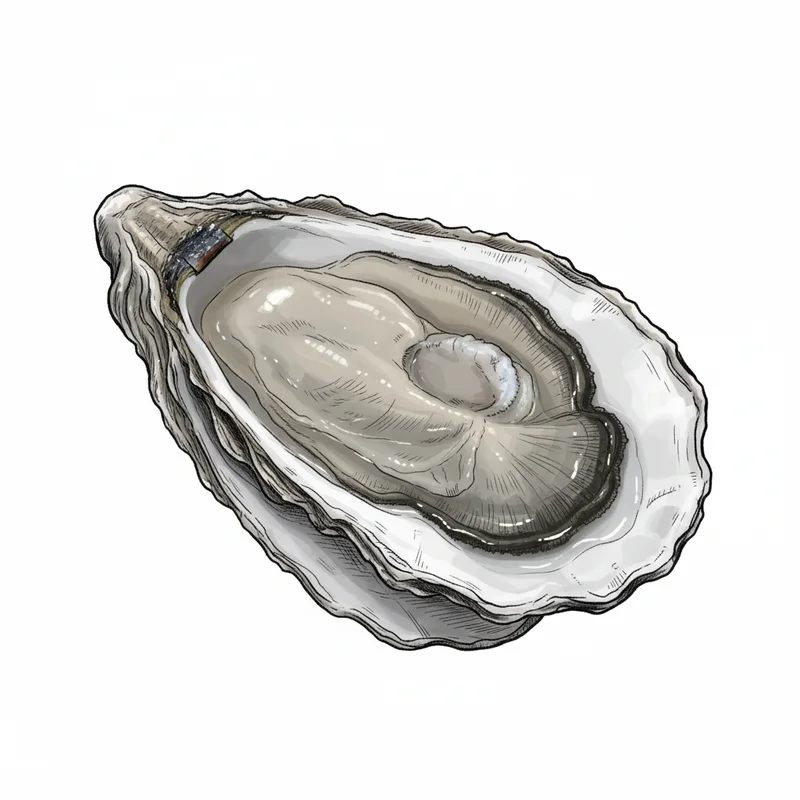
East End
Crassostrea virginica
Classic East Coast oyster with high salinity and pronounced minerality. Medium-sized with a chewy texture, delivering briny, vegetal flavors and a clean, crisp finish.
At a Glance
East End is an Eastern oyster (Crassostrea virginica) from the US East Coast. It is notably briny (4/5 brininess) and subtly sweet (2/5 sweetness), with briny, mineral flavors and a finish that is crisp, clean, distinctly salty.
Flavor Profile
Finish
Crisp, clean, distinctly salty
Expert Notes
East End oysters exemplify the classic East Coast oyster profile with high salinity and pronounced minerality. These medium-sized oysters deliver a distinctly briny punch with vegetal and seaweed notes that reflect the salty Atlantic waters. The chewy, firm texture and mineral-forward character make them a quintessential representation of eastern oyster terroir. Origin & Characteristics
- Species
- Crassostrea virginica
- Native to
- USA
- Grown in
- Atlantic Coast
- Size
- Medium (3 inches)
- Shell Color
- Gray-white
- Meat Color
- Light gray
What Experts Say
Across 7 sources, tasters describe this oyster as:
Unique notes: cast-iron bite, bright, oceanic salinity
"Oysterponds are the epitome of East End oysters. They have the classic umber-and-black shells, which in my experience always yield a particularly savory oyster with a refreshingly tannic, cast-iron bite. They have an oceanic salinity of 32 ppt and are always at least four inches."
savorytanniccast-ironbrinyoceanic
"epitome of East End oysters – bright and briny up front, delicate with hints of tannin and iron on the finish."
brightbrinydelicatetanniniron
"The most flavorful oysters are grown in shallower bay waters near the Atlantic Ocean, influenced by proximity to the ocean."
flavorfuloceanic
"East End Regular Medium Briny Robbins Island, NY"
brinymedium
"The delicate shells have an orange-brown tint to them and a black stripe reminiscent of Long Island's Peconic Bay oysters (such as Widow's Holes and Oysterponds). One is tempted to peg that iron quality on the upweller effect."
ironmineral
About the Farm
Oysterponds Shellfish Co.
Est. 1800s (Tuthill family lineage)Founded by the Tuthill family, one of five original families who settled Orient in 1640. The hamlet was originally named Oyster Ponds because of the nearby oyster beds. Oyster farming on Long Island began in the early 1800s with Bluepoint oysters becoming popular in New York dining.
- Cultivation Method
- rack and bag
History & Background
Orient was originally named 'Oyster Ponds' by Native Americans (Poquatuck) because of the abundant oyster beds in surrounding waterways. The hamlet officially became Orient in 1836. Oyster farming began in the early 1800s, and after Great South Bay beds were destroyed a hundred years ago, the East End waters took up the slack, harvesting mountains of oysters from clean waters.
East End oysters represent a historic New York oyster tradition that predates the famous Bluepoint name. The region became the primary source of Long Island oysters after pollution and overfishing destroyed the original Bluepoint beds in Great South Bay.
Did You Know?
- The ponds themselves are an estuary with a salt creek that exchanges all its water every few hours, unlike most estuaries which take six months for full turnover
- Oysterponds uses low-tech farming with just rebar 'tables' sitting a foot off the bottom with bags attached - no dredges, no floating trays, no divers, no boats
- East End oysters are characterized by thin shells due to fast growth rates and classic umber-and-black colored shells
Sources & References
This information was compiled from 7 sources.
- Oysterponds - New York and Connecticut — The Oyster Guide
- Oyster Fisherman - Oyster Pond Shellfish Company — Facebook
- All About East End Oysters — Hamptons.com
- Oysterponds Oysters — Chef's Resources
- The Case for Oysters — Edible Brooklyn
- New York and Connecticut - Oyster Maps — The Oyster Guide
- Oyster List — Oyster Bar
Similar Oysters
Row 34
US East CoastAn innovative rack-and-bag oyster from Duxbury Bay, Massachusetts. Clean and crisp with strong briny minerality, nutty umami notes, and less vegetal character than bottom-planted varieties. Named after the experimental 34th row of oyster trays.
Speciale
US East CoastA wild Long Island oyster with bold, briny character. Heavy shells, meaty texture, complex mineral and metallic notes with cucumber undertones.
Blue Point
US East CoastThe classic Atlantic oyster. Crisp, briny, with mineral notes and a sharp, clean finish.
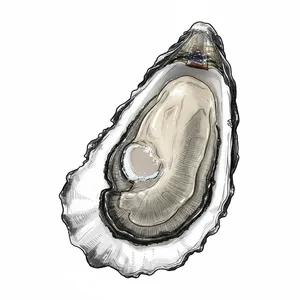
Great South Bay
US East CoastIconic Long Island oyster from the historic Blue Point grounds. Briny with high salinity, plump and meaty with firm texture, balanced sweetness, and a distinctive mineral-woody finish. Cultivated in floating cages near Fire Island Inlet.
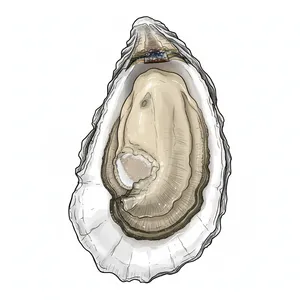
Great White
US East CoastCape Cod's flagship oyster from Barnstable Harbor. Large with thick shells and dense, savory meats. Distinctively briny and mineral-forward with a powerful ocean taste shaped by twice-daily tidal flows.
Learn More
The Big Five: A Complete Guide to Commercial Oyster Species
Comprehensive guide to C. virginica (Atlantic), C. gigas (Pacific), C. sikamea (Kumamoto), O. lurida (Olympia), and O. edulis (European Flat)
Read article → Biology & SpeciesThe Atlantic Oyster (C. virginica): From Maritime Brine to Gulf Sweetness
Deep dive into America's indigenous East Coast oyster - flavor profiles, regional variations, and famous varieties
Read article → Merroir & EnvironmentWhat Is Merroir? How Water Shapes Oyster Flavor
Merroir is the marine version of terroir: how salinity, temperature, tides, and plankton in the growing water shape an oyster's flavor. The science, plus how to taste it.
Read article →