Eld Inlet
Crassostrea gigas
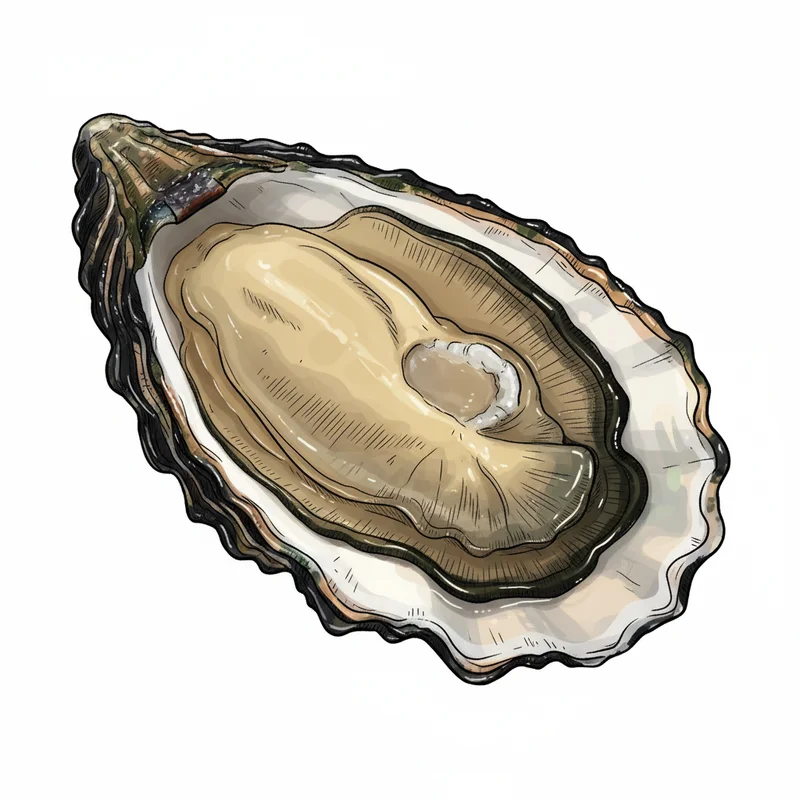
A legendary Southern Puget Sound oyster known for exceptional sweetness and rich, buttery texture. Plump creamy-yellow meats with low salinity, watermelon rind notes, and the distinctive full-bodied South Sound character.
At a Glance
Eld Inlet is a Pacific oyster (Crassostrea gigas) from the US West Coast. It is mildly briny (2/5 brininess) and very sweet (5/5 sweetness), with sweet, creamy, rich flavors and a finish that is watermelon rind with grassy notes. It is considered a beginner-friendly oyster.
Flavor Profile
Finish
Watermelon rind with grassy notes
Expert Notes
Eld Inlet oysters have been recognized since the beginning of Puget Sound's oyster industry for growing the richest, sweetest oysters. The high nutrient levels of Southern Puget Sound produce plump meats with a distinctive creamy yellow color, as if rich in butter. These fast-growing oysters are exceptionally high in glycogen, delivering an intensely sweet, full-bodied flavor with that characteristic South Sound musky richness—like collards with pork fat—balanced by mild salinity and a refreshing watermelon rind finish. Origin & Characteristics
- Species
- Crassostrea gigas
- Native to
- Japan
- Grown in
- Eld Inlet, Southern Puget Sound, Washington
- Size
- Small to Medium (2-3 inches)
- Shell Color
- Black and tan, mossy
- Meat Color
- Creamy yellow, plump
What Experts Say
Across 9 sources, tasters describe this oyster as:
Unique notes: Jerusalem artichoke, raw green bean, watermelon rind, cantaloupe, earthy
"Something about the algae content of Eld gives the oyster meats a creamy yellow color, as if they were rich in butter. They may be higher in fat, but mostly it's glycogen they're rich in. Since the beginning of the oyster industry in Puget Sound, Eld has been recognized for growing the richest oysters."
creamysweetrichbutteryglycogen-rich
"A beautiful balance of creaminess and brine, and an inimitable finish of Jerusalem artichoke and raw green bean that is distinctive to Eld Inlet."
creamybrinyJerusalem artichokegreen beanbalanced
"The Eld Inlet oyster is a beautifully classic South Sound oyster. They're a flavorful, meaty, medium-brine oyster with a sweet, buttery finish."
sweetbutterymeatymedium-brineflavorful
"Mild brine, slight sweetness, and distinct earthy notes"
mild brinesweetearthy
"This tide-tumbled oyster is deeply cupped with incredibly clean and succulent meat. It has hints of cantaloupe and cucumber laced with subtle notes of salt and whispers of faint smoke on the finish."
cantaloupecucumbersaltysmokyclean
"Eld Inlet Oysters tend to have high levels of glycogen which gives them a sweet flavor and a buttery texture"
sweetbutteryglycogen-rich
"Very creamy and not overly briny. Nice hints of melon/cucumber. Creamy with a melon mineral finish."
creamymeloncucumbermineralmild brine
"Oysters in Eld grow fast, fat, and creamy-sweet. All the sweetness and low salinity of other South Sound oysters."
sweetcreamylow salinityfat
About the Farm
Sound Shellfish (Ian Child) & Chelsea Farms (Lentz Family)
Est. 1987The Lentz family started Chelsea Farms in 1987 in Eld Inlet, innovating the tide tumbling method of oyster farming. Multiple growers operate in Eld Inlet, including Ian Child of Sound Shellfish, who produces classic bag-on-beach Eld Inlet oysters.
- Cultivation Method
- bag-on-beach
History & Background
Eld Inlet has been known for over a century to produce great oysters, rich in glycogen. Since the beginning of the oyster industry in Puget Sound, Eld has been recognized for growing the richest oysters. A century ago, bags of oysters from Eld and Totten Inlets commanded $2 more than bags from neighboring Oakland Bay.
The small numbers of white settlers engaged in the early oyster business on rural Eld and Totten Inlets fostered interdependence between white and native families and intermarriage was common. Eld Inlet is located in the southernmost reaches of Puget Sound, one of five long, narrow inlets that comprise some of the most famous oyster appellations in the Northwest.
Did You Know?
- Eld Inlet oysters have been commanding premium prices for over a century
- The mystery of Eld is that the same conditions that grow the sweetest oysters also produce thin shells, despite being beach-cultured
- Something about the algae content of Eld gives oyster meats a distinctive creamy yellow color
- Eld Inlet is extraordinary - two hundred miles from the open sea
Sources & References
This information was compiled from 9 sources.
- Eld Inlet - Hood Canal and Southern Puget Sound — The Oyster Guide
- Shibumis — The Oyster Guide
- Eld Inlet Flavor Profile — Hama Hama Oyster Company
- Eld Inlet Oyster — Oysterology Online — Pangea Shellfish Company
- Eld Inlet Oyster — Chef's Resources
- Eld Inlet — Oysterater
- Cultural History of the Olympia Oyster — Olympia History
- Chelsea Gem — The Oyster Guide
- Oysters - West Coast - Crassostrea gigas | Shibumi — Fortune Fish & Gourmet
Similar Oysters
Wildcat Cove
US West CoastBag-to-beach Pacific oyster from Little Skookum Inlet's nutrient-rich waters. Deep-cupped with plump, buttery meat, mild brininess, and distinctive sweet collard greens flavor finishing with melon notes. Beautiful ruffled purple shells.
Chelsea Gem
US West CoastThe original tide-tumbled oyster from Eld Inlet's pristine waters. Deep-cupped with plump meats, mild brininess, silky creamy texture, and a signature sweet cucumber finish. A true Pacific Northwest gem.
Goose Point
US West CoastSmall, plump Pacific oysters from Willapa Bay, Washington. Known for their intensely creamy, bacon-fat flavor with light salinity and a clean seaweed finish. Thick shells protect remarkably meaty interiors.
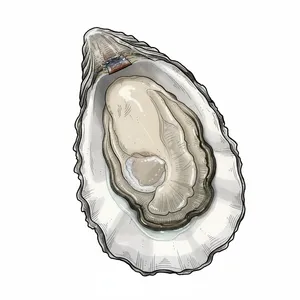
Royal Miyagi
US West CoastA rare Pacific Northwest oyster with distinctive sweet creaminess and unique kiwi-like finish. Cultivated on suspended lines then beach-finished for exceptional smoothness and plump texture.
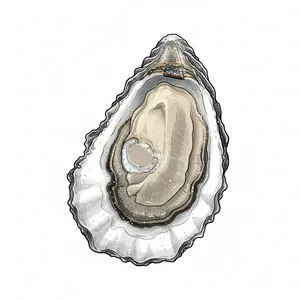
Barron Point
US West CoastHand-sized Pacific oyster from Little Skookum Inlet in southern Puget Sound. Sweet and mildly salty with plump, tender meat and a distinctive musky finish. A well-balanced West Coast favorite.
Learn More
The Big Five: A Complete Guide to Commercial Oyster Species
Comprehensive guide to C. virginica (Atlantic), C. gigas (Pacific), C. sikamea (Kumamoto), O. lurida (Olympia), and O. edulis (European Flat)
Read article → Biology & SpeciesThe Pacific Oyster (C. gigas): Cream, Cucumber, and the Japanese Legacy
Understanding the world's most cultivated oyster - from Japanese origins to West Coast dominance
Read article → Merroir & EnvironmentWhat Is Merroir? How Water Shapes Oyster Flavor
Merroir is the marine version of terroir: how salinity, temperature, tides, and plankton in the growing water shape an oyster's flavor. The science, plus how to taste it.
Read article →