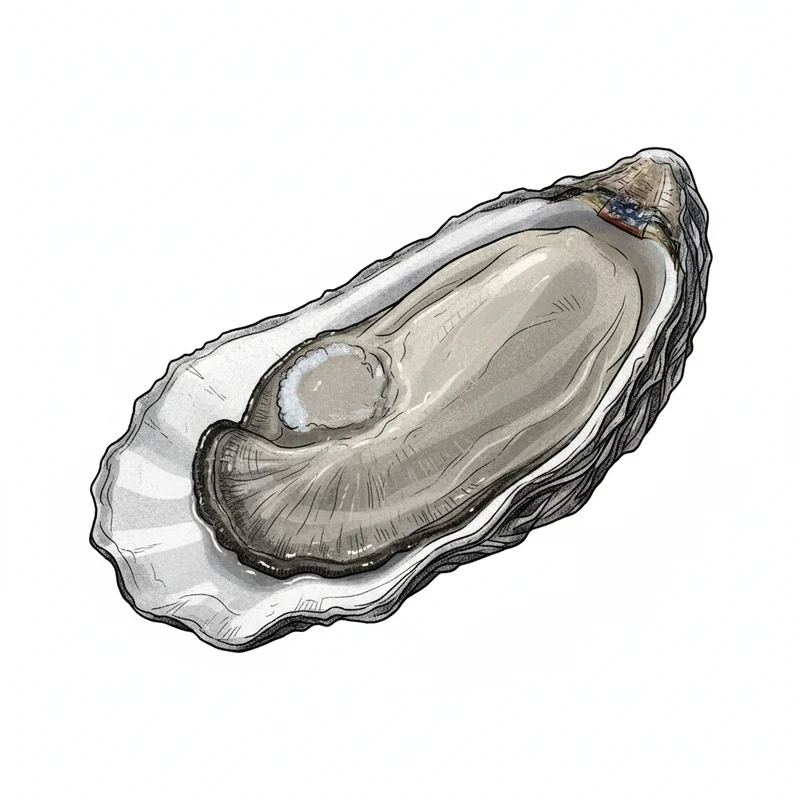
First Light
Crassostrea virginica
Farmed by the Mashpee Wampanoag Tribe in Wellfleet Harbor, Massachusetts. Bold and briny with bright umami seaweed notes and a buttery finish. Named for 'People of the First Light.'
At a Glance
First Light is an Eastern oyster (Crassostrea virginica) from the US East Coast. It is notably briny (4/5 brininess) and subtly sweet (2/5 sweetness), with briny, bright, umami flavors and a finish that is bright, buttery with seaweed notes.
Flavor Profile
Finish
Bright, buttery with seaweed notes
Expert Notes
First Light oysters are named after their growers, the Mashpee Wampanoag Indian Tribe (Wampanoag means 'People of the First Light'). These oysters live up to their name with a bright as the dawn flavor profile. The strong brininess comes from the cold Atlantic Ocean waters of Cape Cod, followed by rich buttery notes and distinctive umami seaweed character. The metallic edge and high salinity make these oysters bold and memorable, reflecting the pristine waters of Wellfleet Harbor where they're cultivated. Origin & Characteristics
- Species
- Crassostrea virginica
- Native to
- USA
- Grown in
- Wellfleet Harbor, Massachusetts, Barnstable Harbor, Cape Cod
- Size
- Medium to Large (3-4 inches)
- Shell Color
- Gray-white
- Meat Color
- Plump, light gray
What Experts Say
Across 9 sources, tasters describe this oyster as:
Unique notes: hazelnut, seaweed, mineral, savory, clean
"Salty, savory, and bright as the dawn. Classic Cape profile."
saltysavorybright
"Lovely brine up front followed by buttery notes and umami seaweedy notes. Complex profile to my palette."
brinybutteryumamiseaweed
"And they live up to their name with a bright as the dawn flavor - salty and sweet with hints of hazelnut and umami seaweed notes."
brightsaltysweethazelnutumami
"Their small size and bright, briny flavor make them perfect for serving right off the shell."
brightbriny
"umami and a clean sweet mineral finish"
umamicleansweetmineral
About the Farm
Mashpee Wampanoag Tribe - First Light Shellfish Farm
Est. 2009The Mashpee Wampanoag tribe, known as 'People of the First Light,' established their shellfish farm in 2009 as part of the EPA Environmental Merit Award-winning Popponesset Bay Restoration Project to improve water quality through oyster propagation.
- Cultivation Method
- trays
History & Background
The Mashpee Wampanoag tribe launched First Light Shellfish Farm in 2009 as part of the Popponesset Bay Restoration Project, an initiative to improve water quality through oyster propagation which removes harmful nitrogen from the water. The tribe has been harvesting oysters in the area for thousands of years, and this farm honors over four millennia of cultural history.
Named after the Mashpee Wampanoag Indian Tribe (Wampanoag means 'People of the First Light'), these oysters represent a continuation of traditional shellfish cultivation practices. The farm operates on 12 acres of Popponesset Bay under a lease agreement with the town of Mashpee.
Did You Know?
- World-renowned chef Emeril Lagasse, a Southeastern Massachusetts native, said 'Mashpee oysters are so delicious – my favorite way to enjoy them is raw.'
- In blind taste tests, First Light Oysters have consistently received rave reviews.
- The farm faced legal and economic challenges but has since revived with new grants, including a $1.1M grant awarded to revive the aquaculture business.
- Oysters are tastiest in the late fall, around Thanksgiving, when they bulk up on fats and take up the most nitrogen.
Sources & References
This information was compiled from 9 sources.
- First Light - Oysterater — Oysterater
- The Popponesset Bay and the First Light Oysters — Coastal Angler Magazine
- Oysters - Elm Square Oyster Co — Elm Square Oyster Co
- First Responders to the Nitrogen Crisis — Edible Cape Cod
- First Light - East Coast Oysters — Coastal Seafoods
- East Coast Oysters - 2024 — Catanese Classic Seafood
- Wampanoag Aquaculture First Light Shellfish Farm — Cape Cod Xplore
- Mashpee Wampanoag oysters improve water quality — Wicked Local
- Mashpee Wampanoag Tribe awarded $1.1M grant to revive aquaculture business — Tribal Business News
Similar Oysters
Bluffton
US East CoastWild-harvested from South Carolina's May River near Bluffton. Intensely briny with powerful umami character and silky texture. Among the best southern oysters, showcasing the exceptional quality of the Lowcountry's pristine ACE Basin.
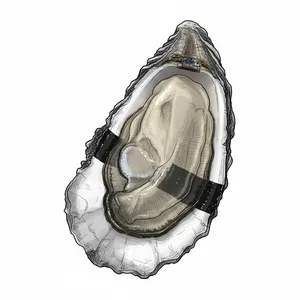
Montauk Pearl
US East CoastFarm-raised in Montauk's pristine waters since 2009. Medium-sized with distinctive black-striped shells and intensely briny, savory flavor. Dense, plump meat with a crisp, clean finish.
Pleasure House
US East CoastLarge, hand-cultivated oysters from Virginia Beach's legendary Lynnhaven River. Fat and firm with bold briny saltiness, buttery notes, and a smooth, creamy finish. A quintessential Virginia Bay oyster from a boutique family operation.
Quonset Point
US East CoastA distinctive Rhode Island oyster with a round 'bear paw' shape and deep cup. Briny and salty with mild sweetness, cultivated in the nutrient-rich tides of Narragansett Bay's East Passage.
Wellfleet
US East CoastCape Cod classic. High brine, clean finish, with subtle sweetness.
Learn More
The Big Five: A Complete Guide to Commercial Oyster Species
Comprehensive guide to C. virginica (Atlantic), C. gigas (Pacific), C. sikamea (Kumamoto), O. lurida (Olympia), and O. edulis (European Flat)
Read article → Biology & SpeciesThe Atlantic Oyster (C. virginica): From Maritime Brine to Gulf Sweetness
Deep dive into America's indigenous East Coast oyster - flavor profiles, regional variations, and famous varieties
Read article → Merroir & EnvironmentWhat Is Merroir? How Water Shapes Oyster Flavor
Merroir is the marine version of terroir: how salinity, temperature, tides, and plankton in the growing water shape an oyster's flavor. The science, plus how to taste it.
Read article →