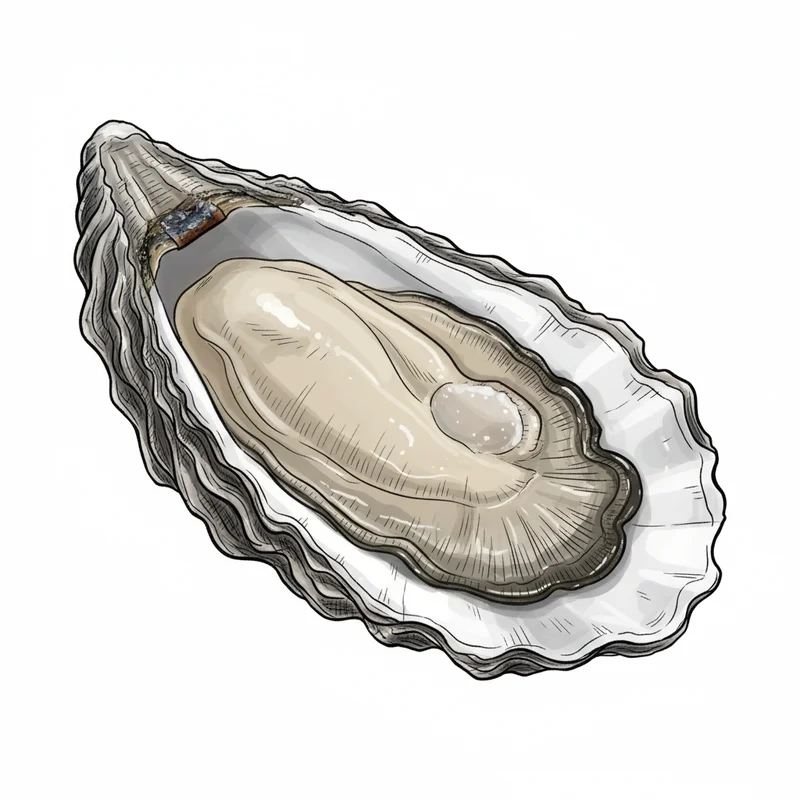
Forbidden
Crassostrea virginica
A balanced Virginia oyster from Mobjack Bay's Lower Western Shore. Plump and buttery with sweet artichoke notes, medium salinity, and a smooth finish. Rack and bag bottom cultivated.
At a Glance
Forbidden is an Eastern oyster (Crassostrea virginica) from the US East Coast. It is moderately briny (3/5 brininess) and distinctly sweet (4/5 sweetness), with sweet, buttery flavors and a finish that is sweet with artichoke notes. It is considered a beginner-friendly oyster.
Flavor Profile
Finish
Sweet with artichoke notes
Expert Notes
Forbidden oysters from Virginia's Mobjack Bay region showcase the ideal balance of Chesapeake Bay terroir. Rack and bag bottom cultured to develop plump, buttery meat with distinctive artichoke notes. The medium salinity creates a sweet profile with balanced brininess that transitions smoothly into a clean finish, characteristic of the Lower Bay Western Shore's mild saltwater environment. Origin & Characteristics
- Species
- Crassostrea virginica
- Native to
- USA
- Grown in
- Mobjack Bay, Virginia, Lower Bay Western Shore, Virginia
- Size
- Medium (2-4 inches)
- Shell Color
- Gray-white
- Meat Color
- Plump cream
What Experts Say
Across 6 sources, tasters describe this oyster as:
Unique notes: artichoke leaves dipped in butter sauce, sienna tones to shells
"They are so delicious that (this may get me in trouble) they don't taste like Chesapeake oysters at all. They are saltier than other Chesapeake oysters I've had, while still not being as punishingly, bitter salty as Chincoteagues and others that are grown on the Atlantic side of the Eastern Shore. The moderate salt is perfectly balanced by an irresistible sweetness and an instantly and unmistakably recognizable flavor of artichoke leaves dipped in butter sauce. Really, extraordinary flavor."
saltysweetartichokebuttery
"Moderate salt perfectly balanced by an irresistible sweetness and an instantly and unmistakably recognizable flavor of artichoke leaves dipped in butter sauce. Flat-out yummy. Nice sienna tones to the shells, too."
moderate saltsweetartichokebuttery
"Oyster guru Rowan Jacobsen says of Forbidden Oysters, 'They are so delicious that (this may get me in trouble) they don't taste like Chesapeake oysters at all. They are saltier than other Chesapeake oysters.' The shell is medium sized yet the tender meat is larger than your average oyster. They have a nice buttery flavor and texture with a delicate hint of brine."
saltybutterytenderbriny
"Grown where the York River meets Chesapeake Bay. Moderate saltiness, balanced by sweetness, and a distinctive flavor reminiscent of artichoke leaves in butter."
moderate saltsweetartichokebuttery
"Lower Bay Western Shore region flavor profile: A mild saltiness that transitions smoothly into a sweet, clean finish"
mild saltsweetclean
About the Farm
Greg Garrett Oysters
Greg Garrett is the owner and operator of the farm, along with his wife Libby and a few crew hands. His 14x great grandfather arrived in the New World in 1620 and later became the founder of York Town. Garrett had to fight through a morass of government permits to get the rights to farm the oysters, which is the root of the 'Forbidden' name.
- Cultivation Method
- rack and bag
History & Background
Forbidden Oysters were developed by Greg Garrett near where the York River meets Chesapeake Bay. York River oysters have been well-regarded for centuries in Virginia.
Making quite a splash in the Maryland/Virginia region since their introduction around 2012. The name 'Forbidden' refers to owner Greg Garrett's battle with local authorities for permission to grow his oysters, though the naughty double entendre also helps with marketing.
Did You Know?
- They are triploids (three sets of chromosomes) which makes them sexless, so they feed and fatten year-round instead of switching to reproductive mode
- The shells display distinctive umber and sienna tones, unusual coloring that Rowan Jacobsen has otherwise only seen in Narragansett Bay oysters
- Described as not tasting like typical Chesapeake oysters despite being grown in the Chesapeake Bay region
- The oysters are quite plump compared to most other Chesapeake oysters due to their triploid genetics
Sources & References
This information was compiled from 6 sources.
- Forbidden Oysters — The Oyster Guide
- Forbidden Oyster — Oysterater
- Forbidden Oysters — Chef's Resources
- Live Oysters — Fortune Fish Co.
- Oyster Regions — Virginia Oyster Trail
- Oyster Primer — Metropolitan Meat, Seafood & Poultry
Similar Oysters
Cedar Island Select
US East CoastA flagship North Carolina oyster from Cedar Island Bay's pristine waters. Large and deep-cupped with balanced brininess and a distinctive sweet, buttery finish. Sustainably farmed in floating cages.
Chadwick Creek
US East CoastDelicate and buttery North Carolina oyster from Pamlico Sound. Deep-cupped with bright white shells, featuring a sweet finish and balanced brininess. Cultivated in off-bottom cages.
Rocky Nook
US East CoastA Cape Cod oyster from Kingston, Massachusetts. Medium-high brine with silky, buttery sweet meats and a lingering briny finish. Creamy texture with balanced salinity.
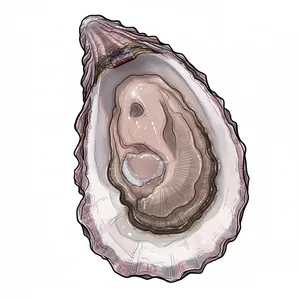
Watch Hill
US East CoastSmall farm-raised Rhode Island oyster from Winnapaug Pond. High salinity with crisp brininess leading to a distinctive mellow buttery sweet finish. Firm pink meat in unique fan-like shells.
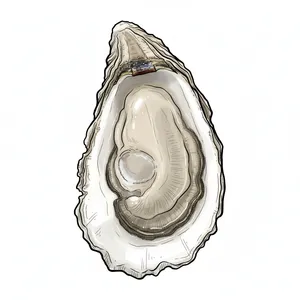
Sweet Petite
US East CoastRack and bag cultivated oysters from Katama Bay, Martha's Vineyard. Deep-cupped with firm white meats, delivering a briny hit that transitions to smooth creaminess and a sweet finish.
Learn More
The Big Five: A Complete Guide to Commercial Oyster Species
Comprehensive guide to C. virginica (Atlantic), C. gigas (Pacific), C. sikamea (Kumamoto), O. lurida (Olympia), and O. edulis (European Flat)
Read article → Biology & SpeciesThe Atlantic Oyster (C. virginica): From Maritime Brine to Gulf Sweetness
Deep dive into America's indigenous East Coast oyster - flavor profiles, regional variations, and famous varieties
Read article → Merroir & EnvironmentWhat Is Merroir? How Water Shapes Oyster Flavor
Merroir is the marine version of terroir: how salinity, temperature, tides, and plankton in the growing water shape an oyster's flavor. The science, plus how to taste it.
Read article →