
French Kiss
Crassostrea virginica
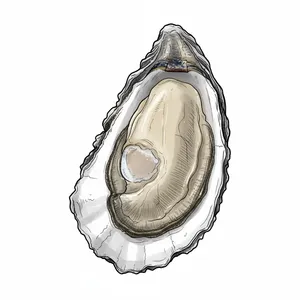
A larger, mature Beausoleil from Miramichi Bay, New Brunswick. Full and plump with sharp brininess, clean taste, and a sweet finish. Hand-packed with exceptional attention to detail.
At a Glance
French Kiss is an Eastern oyster (Crassostrea virginica) from the Canada East Coast. It is notably briny (4/5 brininess) and moderately sweet (3/5 sweetness), with briny, sweet flavors and a finish that is sweet, clean, refreshing.
Flavor Profile
Finish
Sweet, clean, refreshing
Expert Notes
French Kiss oysters are essentially Beausoleil oysters allowed to grow for an additional year or two until reaching a more standard, larger size. Cultivated in floating trays in Miramichi Bay, they develop a full, plump meat with profound salinity and sharp brininess balanced by a notably sweet finish. The clean taste and firm texture make them a favorite among experienced oyster lovers who appreciate high salinity and excellent meat-to-shell ratio. Origin & Characteristics
- Species
- Crassostrea virginica
- Native to
- USA
- Grown in
- Miramichi Bay, New Brunswick
- Size
- Large (3-3.5 inches)
- Shell Color
- Gray-white with paisley shape
- Meat Color
- Cream to light gray
What Experts Say
Across 9 sources, tasters describe this oyster as:
Unique notes: hazelnut, fruity, profound salinity
"THIS WAS THE BEST OYSTER EVER! Pretty meat, firm and plump. Never had I experienced such a CLEAN tasting oyster. Mild taste, slightly briny & sweet. If this Is on your menu- this is a MUST TRY OYSTER!"
cleanmildbrinysweetfirm
"A new favorite of mine. High salinity and nicely textured. Beausoleil's big brother!"
saltyhigh salinitytextured
"Perfect. Fantastic size and brine. Super clean."
brinyclean
"Obvious salinity, sweet finish. This unique oyster has a deeply cupped, paisley-shaped shell and behold a very full meat with a profound salinity, briny liquor, and a sweet finish."
saltybrinysweetprofound salinity
"Full, plump oysters. Deep cup, very clean taste. Briny, with a sweet finish."
fullplumpcleanbrinysweet
"French Kiss oysters offer both salty and sweet tastes with hints of hazelnut, while offering a full and firm flesh."
saltysweethazelnutfullfirm
"French Kiss have a similar flavor profile to Beau Soleils. But as they grow out for a couple years longer, the French Kiss are larger than Beau Soleils."
similar to Beausoleil
"Full of meat and pure ocean sweetness, each oyster yields a clean, crisp meat with a mildly fruity finish."
sweetcleancrispfruityfull
About the Farm
Atlantic Aqua Farms
French Kiss oysters are grown in floating trays in Miramichi Bay, New Brunswick. They are a larger version of the famous Beausoleil oyster, allowed to grow for an additional 1-2 years (5-7 years total) for a more generous size and luxurious treatment.
- Cultivation Method
- suspended culture
History & Background
French Kiss is essentially a mature Beausoleil oyster from the same location (Miramichi Bay, New Brunswick), allowed to grow for an additional 1-2 years until reaching a larger, more standard size of 3-3.5 inches.
Hand-packed with exceptional attention to detail, each oyster is nestled cup-side down in unique round wooden boxes containing 60 count units. The name reflects the romantic nature of this premium, carefully cultivated oyster.
Did You Know?
- French Kiss oysters require 5-7 years to reach marketable size, compared to 3-5 years for standard oysters
- Each oyster is hand-packed cup-side down in distinctive round wooden boxes
- Harvested by cutting holes in ice up to 5 feet thick during winter months using chainsaws
- The paisley-shaped shell and deep cup are distinctive characteristics
Sources & References
This information was compiled from 9 sources.
- French Kiss Oyster - Oysterater — Oysterater
- Oysters - East Coast - Crassostrea virginica | French Kiss — Fortune Fish & Gourmet
- Your Essential Guide to Oysters | What is the Difference? — Fulton Fish Market
- French Kiss Oysters » Atlantic Aqua Farms USA — Atlantic Aqua Farms
- French Kiss Oysters - Chefs Resources — Chefs Resources
- Oyster Guide - The Village Grocer — The Village Grocer
- OYSTER VARIETIES - The Seafood Merchants — The Seafood Merchants
- French Kiss Oysters - EURO USA — EURO USA
- Waterbar Oyster Menu — Oyster Guide
Similar Oysters
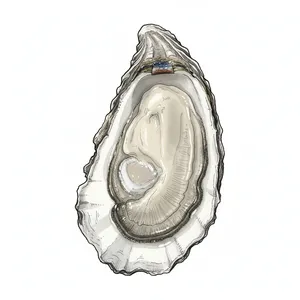
Gooseberry Bay
Canada East CoastFarm-raised in floating bags in Malpeque Bay, Prince Edward Island. Briny with sweet, nutty astringency, firm plump meats, and abundant rich liquor from the nutrient-rich Cape Shore waters.
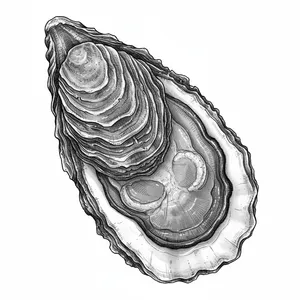
Raspberry Point
Canada East CoastA substantial PEI oyster with impressive size and balance. Briny with a clean, sweet finish and firm, plump meat.
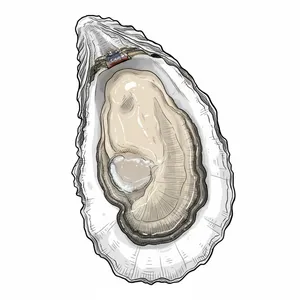
Salutation Cove
Canada East CoastA choice farm-raised oyster from Prince Edward Island's pristine Salutation Cove. Deep-cupped with high salinity and crisp liquor, finishing clean and sweet with distinctive fruity notes.
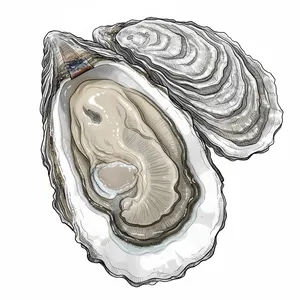
Shiny Sea
Canada East CoastA beautifully presented cocktail-grade oyster from New London Bay, PEI. Deep-cupped with plump meats, delivering an immediate salty taste followed by a subtle, sweet finish.
Daisy Bay
Canada East CoastA well-balanced Prince Edward Island oyster grown wild in red bay mud. Leads with bright salinity and finishes with mild cucumber smoothness and sweet notes. Cultivated for 4-6 years in pristine northern waters.
Learn More
The Big Five: A Complete Guide to Commercial Oyster Species
Comprehensive guide to C. virginica (Atlantic), C. gigas (Pacific), C. sikamea (Kumamoto), O. lurida (Olympia), and O. edulis (European Flat)
Read article → Biology & SpeciesThe Atlantic Oyster (C. virginica): From Maritime Brine to Gulf Sweetness
Deep dive into America's indigenous East Coast oyster - flavor profiles, regional variations, and famous varieties
Read article → Merroir & EnvironmentWhat Is Merroir? How Water Shapes Oyster Flavor
Merroir is the marine version of terroir: how salinity, temperature, tides, and plankton in the growing water shape an oyster's flavor. The science, plus how to taste it.
Read article →