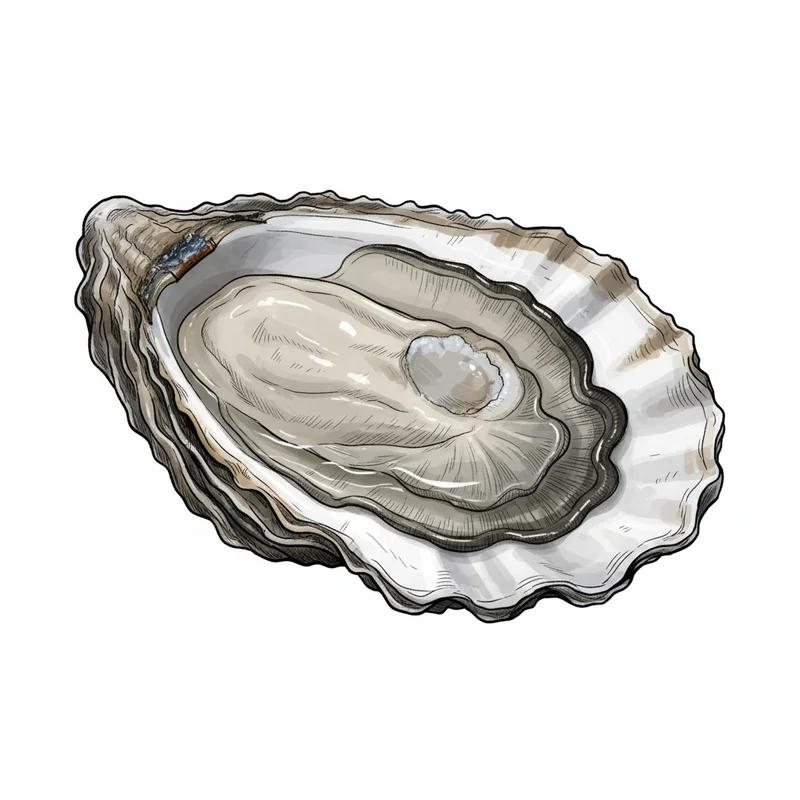
Gold Creek
Crassostrea gigas
Classic Pacific Northwest oyster from southern Hood Canal. Beach-grown on rocky shores with full cups, firm meat, and a bright, briny flavor with a mild, clean finish.
At a Glance
Gold Creek is a Pacific oyster (Crassostrea gigas) from the US West Coast. It is moderately briny (3/5 brininess) and subtly sweet (2/5 sweetness), with briny, clean flavors and a finish that is clean, bright, refreshing. It is considered a beginner-friendly oyster.
Flavor Profile
Finish
Clean, bright, refreshing
Expert Notes
Gold Creek oysters are classic Pacific Northwest oysters with a history dating back to the gold rush days. Beach-cultured on rocky shores in the southern Hood Canal, these hardy oysters develop hard, sturdy shells and full, firm meats. Their bright brininess and mild, clean flavor profile make them a Puget Sound favorite, with a crisp, sea-fresh taste that reflects their intertidal beach cultivation in waters with near-ocean salinity (3.3%). Origin & Characteristics
- Species
- Crassostrea gigas
- Native to
- Japan
- Grown in
- South Hood Canal, Washington
- Size
- Medium to Large (3-4 inches)
- Shell Color
- Gray-white, classic Pacific oyster shell
- Meat Color
- Cream to light gray
What Experts Say
Across 6 sources, tasters describe this oyster as:
Unique notes: iceberg lettuce, smooth finish
"A mild oyster from the southern half of Hood Canal, cultivated on the beach in the standard Hood Canal practice. Clean, but with less of the bright lettucey freshness notable in Hama Hamas or the salty sweetness of Baywater Sweets."
mildclean
"A brightly briny, firm and clean oyster with a smooth finish"
brinyfirmcleansmooth
"Crisp and briny, a real Puget sound dandy."
crispbrinyclean
"They've got a briny iceberg lettuce flavor and a firm, plump meat"
brinyiceberg lettucefirmplump
"Gold Creek Oysters are a Pacific Northwest oyster grown on the rocky shores of the southern end of Hood Canal. Beach cultured oysters are raised on tidal beaches with sandy or rocky bottoms. They are accustomed to fighting the tides, clamping tightly which yields a hardened shell and firm, plump oyster meat."
firmplump
"This oyster is grown on the rocky beaches of the southern end of the Puget Sound of Washington State. The inter-tidal habitat is perfect for faster growth and a hardened shell perfect for shucking. The full meats have a medium brininess and a clean sweet finish."
medium brininesscleansweet
About the Farm
Grown on the rocky beaches of the southern end of Hood Canal, Washington, in inter-tidal habitat that produces faster growth and hardened shells perfect for shucking.
- Cultivation Method
- bottom culture
History & Background
The name is derived from the location that boasts the rich history of oyster farming dating back to the gold rush days.
Grown in southern Hood Canal using the standard beach cultivation practice of the region.
Sources & References
This information was compiled from 6 sources.
- Gold Creek - The Oyster Guide — oysterguide.com
- Oysters Coast To Coast - Feast Magazine — feastmagazine.com
- West Coast - Crassostrea gigas | Gold Creek - Fortune Fish & Gourmet — fortunefishco.net
- A Clevelander's Guide To Oysters - Cleveland Magazine — clevelandmagazine.com
- Gold Creek Oysters - Chefs Resources — chefs-resources.com
- LIVE OYSTERS - Fortune Fish & Gourmet — fortunefishco.net
Similar Oysters
Oysterville Select
US West CoastFarm-raised Pacific oyster from Willapa Bay, Washington. Known for their smooth texture, deep cup, and delicate balance of brine and sweetness with a clean, crisp finish from pristine West Coast waters.
Quilcene
US West CoastBeach-grown Pacific oyster from Quilcene Bay in Hood Canal, Washington. Clean and mild with balanced brininess, delicate sweetness, and a fresh finish. Variable size with firm meats and rugged shells.
Penn Cove Select
US West CoastThe definitive Pacific Northwest oyster with stunning black and purple shells. Beach-raised in Samish Bay and finished in Penn Cove, these award-winning oysters deliver firm meats, bright brininess, and a distinctive crisp cucumber finish.
Cold Creek
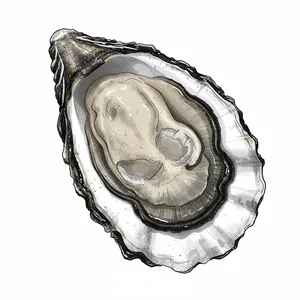
US West CoastCultivated Pacific oyster from Southern Puget Sound with plump, sweet meat and midsized white-and-black shells. Balanced brininess with a distinctive salty-melon finish reminiscent of a New England clambake.
Dosewallips
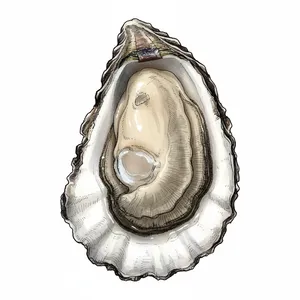
US West CoastBeach-grown Pacific oyster from central Hood Canal where the Dosewallips River meets the sea. Sweet and cucumbery with a creamy texture, balanced brininess, and a light, clean finish.
Learn More
The Big Five: A Complete Guide to Commercial Oyster Species
Comprehensive guide to C. virginica (Atlantic), C. gigas (Pacific), C. sikamea (Kumamoto), O. lurida (Olympia), and O. edulis (European Flat)
Read article → Biology & SpeciesThe Pacific Oyster (C. gigas): Cream, Cucumber, and the Japanese Legacy
Understanding the world's most cultivated oyster - from Japanese origins to West Coast dominance
Read article → Merroir & EnvironmentWhat Is Merroir? How Water Shapes Oyster Flavor
Merroir is the marine version of terroir: how salinity, temperature, tides, and plankton in the growing water shape an oyster's flavor. The science, plus how to taste it.
Read article →