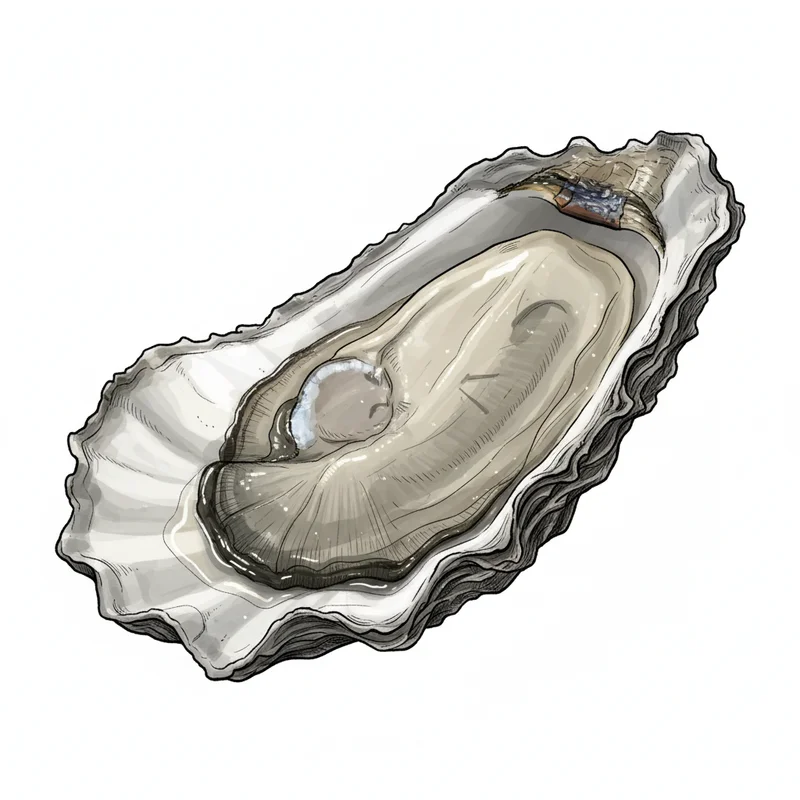
Hammersley Inlet
Crassostrea gigas
Beach-grown Pacific oyster from South Puget Sound's Hammersley Inlet. Plump and sweet with mild saltiness, rich body, and a distinctive cucumber-melon finish. Grown in nutrient-dense waters for excellent meat-to-shell ratio.
At a Glance
Hammersley Inlet is a Pacific oyster (Crassostrea gigas) from the US West Coast. It is mildly briny (2/5 brininess) and distinctly sweet (4/5 sweetness), with sweet, mild brine, cucumber flavors and a finish that is sweet with cucumber and melon essence. It is considered a beginner-friendly oyster.
Flavor Profile
Finish
Sweet with cucumber and melon essence
Expert Notes
Hammersley Inlet oysters are beach-grown in the nutrient-dense waters of southern Puget Sound, initially cultivated in mesh bags before being transferred directly onto the beach for shell hardening. This produces plump oysters with an excellent meat-to-shell ratio. The flavor begins with mild saltiness, transitions to rich sweetness through the middle palate, and finishes with the characteristic fruity notes and cucumber essence common to Pacific oysters from this region. Origin & Characteristics
- Species
- Crassostrea gigas
- Native to
- Japan
- Grown in
- Hammersley Inlet, South Puget Sound, Washington
- Size
- Medium (2.5-4 inches)
- Shell Color
- Gray-white with fluting
- Meat Color
- Cream to light gray
What Experts Say
Across 10 sources, tasters describe this oyster as:
Unique notes: honeydew melon, wild mushrooms, liver, cooked greens
"Its flavor begins with a mild saltiness, followed by what's generally a full sweetness, and finishing with the fruity aftertaste common to pacific oysters."
mild saltinesssweetfruity
"Full-flavored, mildly briny, and finish with a cucumber-mineral finish."
full-flavoredmildly brinycucumbermineral
"Low brine with a sweet honeydew finish."
low brinesweethoneydew
"Sea Cows are easy to love, especially if you like lots of flavor and something to chew on. The oysters themselves are rich, plump, and incredibly sweet."
richplumpsweet
"Sea Cows have a moderate brine and a decidedly creamy richness, and instead of the sharp cucurbit finish of Blue Pools, they are deep and funky. 'Earthy' is the word Hama Hama uses to describe them, which is true, but what came to my mind was wild mushrooms (especially boletes) and liver."
moderate brinecreamyrichdeepfunky
"South Sound oysters smell like wet earth at low tide. That characteristic South Sound flavor—full, rich, intense, more sweet than salty, a hint of cooked greens or seaweed, bordering on musky."
fullrichintensesweetcooked greens
About the Farm
South Sound Mariculture
South Sound Mariculture is a family-operated oyster farm in Hammersley Inlet, Shelton, Washington, producing select tumbled oysters including the Sea Cow and Sea Nymph.
- Cultivation Method
- bag to beach
History & Background
Hammersley Inlet was named—and misspelled—by Charles Wilkes during the Wilkes Expedition of 1838-1842, to honor George W. Hammersly, one of the expedition's midshipmen.
Hammersley Inlet is located in southern Puget Sound just north of Totten Inlet, a nutrient-rich area approximately 200 miles from the open sea with relatively low salinity, creating an environment that produces oysters with characteristic South Sound flavors.
Did You Know?
- The inlet is so nutrient-rich that oysters grow very quickly and tend to have plump, full meat with excellent meat-to-shell ratio
- Hammersley Inlet represents an entirely different watershed from Hood Canal, offering oyster lovers a study in merroir
Sources & References
This information was compiled from 10 sources.
- Hammersley Inlet Oyster — Marinelli Shellfish
- Hammersley Oysters — Chefs Resources
- Hammersley Inlet Oyster — Oysterology Online — Pangea Shellfish
- Sea Cow Oyster Profile — Hama Hama Oyster Company
- Sea Cow — The Oyster Guide
- Hood Canal and Southern Puget Sound — The Oyster Guide
- Hammersley Inlet — Wikipedia
- Sea Cow Oysters - The Oyster Encyclopedia — The Oyster Encyclopedia
- South Sound Mariculture Oysters and Clams — South Sound Mariculture
- Washington Oyster Weekend - The SF Oyster Nerd — The SF Oyster Nerd
Similar Oysters
Samish Bay
US West CoastBeach-cultured Pacific oyster from historic Samish Bay in Northern Puget Sound. Firm, plump meats with medium brininess, mild sweetness, and a distinctive refreshing cucumber finish. Rustic lichen-green shells.
Bald Point
US West CoastSmall, beach-cultured Pacific oyster from Hood Canal, Washington. Low brininess with a sweet, delicate flavor and distinctive musky finish. Hardy shells from intertidal cultivation.
Pacific Gold
US West CoastSuspension-raised Pacific oyster from Discovery Bay, Washington and Morro Bay, California. Large, sweet, and mild with firm meats, lovely fluted shells, and a fresh, crisp finish.
Pickering Passage
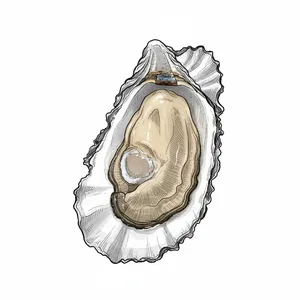
US West CoastA Pacific Northwest oyster from southern Puget Sound's nutrient-rich waters. Medium to large with tender, plump meats. Mild brine balanced with sweet richness and a crisp finish of melon and cucumber.
Barron Point
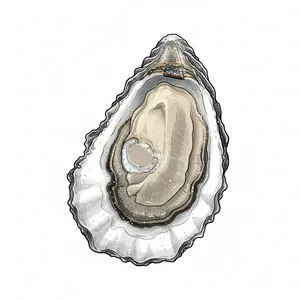
US West CoastHand-sized Pacific oyster from Little Skookum Inlet in southern Puget Sound. Sweet and mildly salty with plump, tender meat and a distinctive musky finish. A well-balanced West Coast favorite.
Learn More
The Big Five: A Complete Guide to Commercial Oyster Species
Comprehensive guide to C. virginica (Atlantic), C. gigas (Pacific), C. sikamea (Kumamoto), O. lurida (Olympia), and O. edulis (European Flat)
Read article → Biology & SpeciesThe Pacific Oyster (C. gigas): Cream, Cucumber, and the Japanese Legacy
Understanding the world's most cultivated oyster - from Japanese origins to West Coast dominance
Read article → Merroir & EnvironmentWhat Is Merroir? How Water Shapes Oyster Flavor
Merroir is the marine version of terroir: how salinity, temperature, tides, and plankton in the growing water shape an oyster's flavor. The science, plus how to taste it.
Read article →