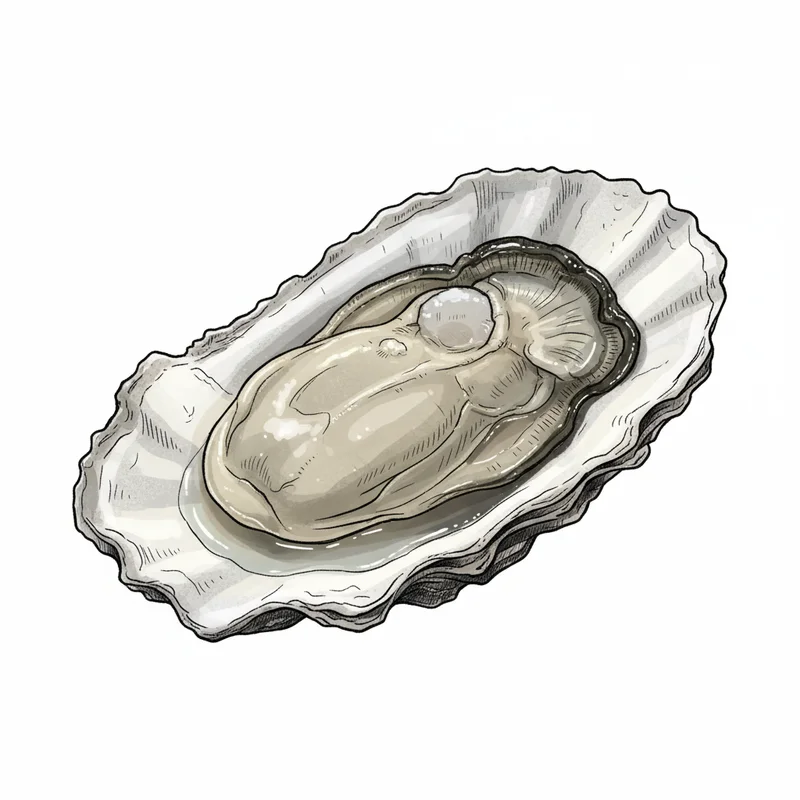
Henderson Inlet
Crassostrea gigas
A community-farmed Puget Sound oyster from a restored watershed. Small and plump with sweet, buttery meat, light salinity, and a distinctive cucumber-earthy finish. All proceeds support water quality restoration.
At a Glance
Henderson Inlet is a Pacific oyster (Crassostrea gigas) from the US West Coast. It is mildly briny (2/5 brininess) and distinctly sweet (4/5 sweetness), with sweet, buttery, mild brine flavors and a finish that is clean, crisp cucumber finish with earthy sweetness. It is considered a beginner-friendly oyster.
Flavor Profile
Finish
Clean, crisp cucumber finish with earthy sweetness
Expert Notes
Henderson Inlet oysters are a testament to environmental restoration, grown in the nutrient-rich, low-salinity waters of southern Puget Sound. These small oysters deliver a uniquely sweet and mild profile with plump, buttery meat that showcases the inlet's freshwater influence. The distinctive cucumber finish and earthy undertones reflect the rich algae content and proximity to freshwater sources, creating a full-flavored yet gentle oyster that borders on musky with hints of cooked greens—a characteristic South Sound signature. Origin & Characteristics
- Species
- Crassostrea gigas
- Native to
- Japan
- Grown in
- Henderson Inlet, Southern Puget Sound, Washington
- Size
- Small (2-3 inches)
- Shell Color
- White to gray
- Meat Color
- Plump, cream to light gray
What Experts Say
Across 7 sources, tasters describe this oyster as:
Unique notes: musky, clam-like, creamy, crunchy
"plump, full-flavored Pacific oysters"
plumpfull-flavored
"sweet and musky with a mild salinity and vegetable finish"
sweetmuskymild salinityvegetable finish
"Henderson Pearl from South Puget Sound, WA: This well-manicured bag-tumbled Pacific oyster features medium brininess and a sweet, clam-like flavor. The body was a little creamy, but also crunchy"
medium brininesssweetclam-likecreamycrunchy
"Moderate salinity, average size Pacific oyster"
moderate salinity
About the Farm
Henderson Inlet Community Shellfish Farm
Est. 2003Started by the Puget Sound Restoration Fund with many partners to restore water quality to Henderson Inlet, which was closed to shellfish harvesting for years. The farm's express purpose is restoring water quality, with all proceeds supporting continued water restoration efforts.
- Cultivation Method
- rack and bag
History & Background
Henderson Inlet is a charming estuary in southern Puget Sound near Olympia that was closed to shellfish harvesting for years due to water quality issues. In 2003, the Puget Sound Restoration Fund started a community shellfish farm to restore water quality. By 2008, water quality improved enough that Henderson Inlet oysters became commercially available for the first time.
The farm operates what may be the world's first oyster CSA (Community Supported Agriculture/Aquaculture), where members buy shares and receive weekly allotments of oysters. The farm is volunteer-supported with monthly work parties for tide work, gear maintenance, and running the neighborhood Farm Stand.
Did You Know?
- May be the world's first oyster CSA
- All proceeds from oyster sales go back to the community farm to continue improving water quality
- Became commercially available for the first time in 2008 after restoration efforts
- Oysters often available at Olympia Seafood Company in downtown Olympia, Washington
- Partners include Washington State University, Elliott's Oyster House, and Pacific Coast Shellfish Growers Association
Sources & References
This information was compiled from 7 sources.
- Henderson Inlet Oysters — The Oyster Guide
- East Coast Vs West Coast Oysters: The Crave Fishbar Tasting Guide — Crave Fishbar
- Henderson Inlet Oyster — Oysterater
- Community Shellfish Farms — Puget Sound Restoration Fund
- Oysters in Thailand: Eating, Meeting, Diving, Surviving — In A Half Shell
- The Olympia Oyster — Protect Henderson Inlet
- Henderson Inlet Community Shellfish Farm Tour — Capitol Land Trust
Similar Oysters
Barron Point
US West CoastHand-sized Pacific oyster from Little Skookum Inlet in southern Puget Sound. Sweet and mildly salty with plump, tender meat and a distinctive musky finish. A well-balanced West Coast favorite.
Rainier
US West CoastLarge beach-grown Pacific oyster from South Puget Sound. Known as the 'big bad boys' of Puget Sound with plump, full meats, buttery creamy texture, light brininess and sweet flavor. Perfect for grilling or raw.
Skookum
US West CoastA sweet, mild Pacific Northwest oyster from South Puget Sound's Little Skookum Inlet. Melon-scented with low brininess and a creamy, herbaceous finish. Farmed since 1883 using rack & bag to beach cultivation.
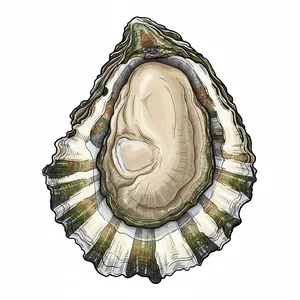
Yaquina
US West CoastLarge, sweet Pacific oyster from Yaquina Bay, Oregon. Creamy texture with subtle brininess and a clean finish. Grown in nutrient-rich waters with exceptional tidal exchange for a distinctively sweet taste.
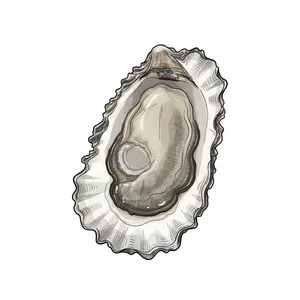
Bald Point
US West CoastSmall, beach-cultured Pacific oyster from Hood Canal, Washington. Low brininess with a sweet, delicate flavor and distinctive musky finish. Hardy shells from intertidal cultivation.
Learn More
The Big Five: A Complete Guide to Commercial Oyster Species
Comprehensive guide to C. virginica (Atlantic), C. gigas (Pacific), C. sikamea (Kumamoto), O. lurida (Olympia), and O. edulis (European Flat)
Read article → Biology & SpeciesThe Pacific Oyster (C. gigas): Cream, Cucumber, and the Japanese Legacy
Understanding the world's most cultivated oyster - from Japanese origins to West Coast dominance
Read article → Merroir & EnvironmentWhat Is Merroir? How Water Shapes Oyster Flavor
Merroir is the marine version of terroir: how salinity, temperature, tides, and plankton in the growing water shape an oyster's flavor. The science, plus how to taste it.
Read article →