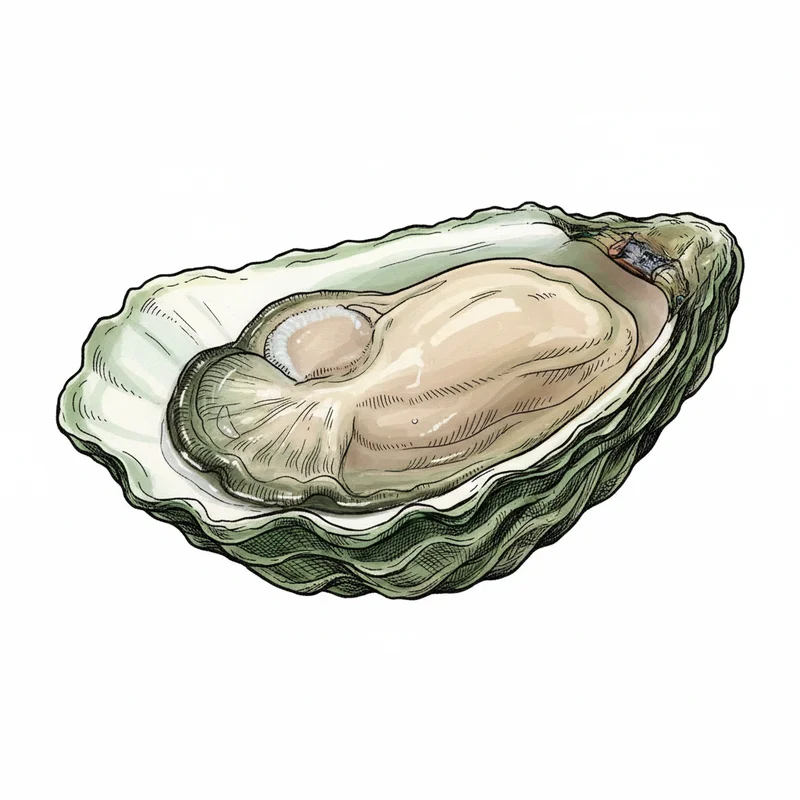
Hog Island Kumamoto
Crassostrea sikamea
Exceptionally sweet Kumamoto from Humboldt and Tomales Bay. Tiny, deep-cupped oysters with creamy texture and honeydew-watermelon flavors. Virtually no brininess makes them perfect for beginners.
At a Glance
Hog Island Kumamoto is a Kumamoto oyster (Crassostrea sikamea) from the US West Coast. It is very mildly briny (1/5 brininess) and very sweet (5/5 sweetness), with sweet, melon, creamy flavors and a finish that is sweet honeydew with creamy watermelon notes. It is considered a beginner-friendly oyster.
Flavor Profile
Finish
Sweet honeydew with creamy watermelon notes
Expert Notes
Hog Island Kumamotos are the epitome of beginner-friendly oysters, offering exceptional sweetness with virtually no brininess. These petite gems deliver a creamy, buttery texture with pronounced flavors of honeydew melon and watermelon, balanced by subtle mineral notes. Raised from seed in Humboldt Bay's pristine waters and purged in filtered holding tanks, they showcase remarkable cleanliness and a signature light profile that has made them legendary among Kumamoto varieties. Origin & Characteristics
- Species
- Crassostrea sikamea
- Native to
- Japan
- Grown in
- Humboldt Bay, California, Tomales Bay, California
- Size
- Small (1-2 inches)
- Shell Color
- Greenish-white with subtle ridging
- Meat Color
- Cream to light pink with greenish tinge
Perfect Pairings
What Experts Say
Across 8 sources, tasters describe this oyster as:
Unique notes: creamy watermelon finish, greenish-pink tinge, succulent
"The Hog Island Kumamotos were very small and mild, with a greenish-pink tinge to their flesh and a creamy watermelon finish."
mildcreamywatermelon
"Buttery, succulent meat with a lingering essence of cucumber and melon."
butterysucculentcucumbermelon
"Very small and round shell and meat, but packed with an amazing sweet flavor."
sweetsmall
"Small shell, mighty flavor. An Eastern Pacific oyster originating from the Kumamoto Prefecture, Kyushu, Japan. Buttery, succulent meat with a lingering essence of cucumber and melon."
butterysucculentcucumbermelon
"A smaller species of oyster, noted for its very deep cup and melon-scented meat."
melondeep cup
"Sweet, mildly fruity flavor with a slight mineral finish and a lingering essence of cucumber and melon. Small, plump, and buttery."
sweetfruitymineralcucumbermelon
About the Farm
Hog Island Oyster Company
Est. 1983Founded by marine biologists committed to sustainable shellfish farming. They started with a five-acre lease in Tomales Bay, California, and have since expanded operations to include farms in both Tomales Bay and Humboldt Bay.
- Cultivation Method
- rack and bag
History & Background
Kumamoto oysters are an Eastern Pacific oyster species originating from the Kumamoto Prefecture, Kyushu, Japan. They have been cultivated on the West Coast since the late 1940s.
Hog Island Kumamoto oysters are grown in both Tomales Bay and at a new farm in Humboldt Bay, California. The company owns and operates California's first permitted oyster shellfish hatchery in Humboldt Bay.
Did You Know?
- These oysters take an average of two to three years to mature
- Tide tumbled in seapa baskets during cultivation
- All Hog Island oysters are purged after harvest in a clean, filtered holding tank, contributing to their light and clean taste profile
- Hog Island operates California's first permitted oyster shellfish hatchery, producing oysters from larvae to harvest in a single location
Sources & References
This information was compiled from 8 sources.
- Three Little Hogs — The Oyster Guide
- Hog Island Kumamotos — Hog Island Oyster Co. Shop
- Oyster Tasting Log — Peek & Eat
- Hog Island Kumamoto Oyster — Oysterater
- Hog Island Kumamoto Oysters — Chefs Resources
- California Kumamoto Oysters — The Oyster Encyclopedia
- Humboldt Bay Farm — Hog Island Oysters
- Hog Island Oyster Co @ Napa — Live2Makan
Similar Oysters
Kumamoto
US West CoastThe gateway oyster. Known for its sweet, melon-forward flavor and petite, deeply cupped shell, the Kumamoto is beloved by beginners and experts alike.
Bodega Bay Kumamoto
US West CoastA petite, deep-cupped Kumamoto oyster from California's Bodega Bay. Delicately sweet with fruity, honeydew melon notes and mild brininess. Perfect for beginners and connoisseurs alike.
Eld Inlet
US West CoastA legendary Southern Puget Sound oyster known for exceptional sweetness and rich, buttery texture. Plump creamy-yellow meats with low salinity, watermelon rind notes, and the distinctive full-bodied South Sound character.
Wildcat Cove
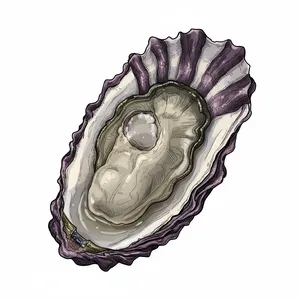
US West CoastBag-to-beach Pacific oyster from Little Skookum Inlet's nutrient-rich waters. Deep-cupped with plump, buttery meat, mild brininess, and distinctive sweet collard greens flavor finishing with melon notes. Beautiful ruffled purple shells.
Skookum
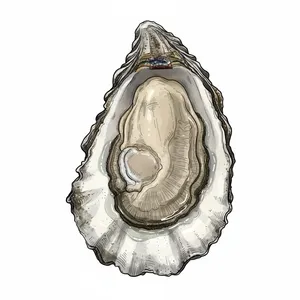
US West CoastA sweet, mild Pacific Northwest oyster from South Puget Sound's Little Skookum Inlet. Melon-scented with low brininess and a creamy, herbaceous finish. Farmed since 1883 using rack & bag to beach cultivation.
Learn More
What Is Merroir? How Water Shapes Oyster Flavor
Merroir is the marine version of terroir: how salinity, temperature, tides, and plankton in the growing water shape an oyster's flavor. The science, plus how to taste it.
Read article → Practical GuidesVibrio and Raw Oysters: A Clear-Headed Guide to Oyster Safety
Understanding Vibrio vulnificus without fear-mongering - risk factors, prevention, and when to cook
Read article → Culinary & PairingsBeyond Cocktail Sauce: The Art of the Oyster Mignonette
Classic and creative mignonette recipes engineered to complement specific oyster flavor profiles
Read article →