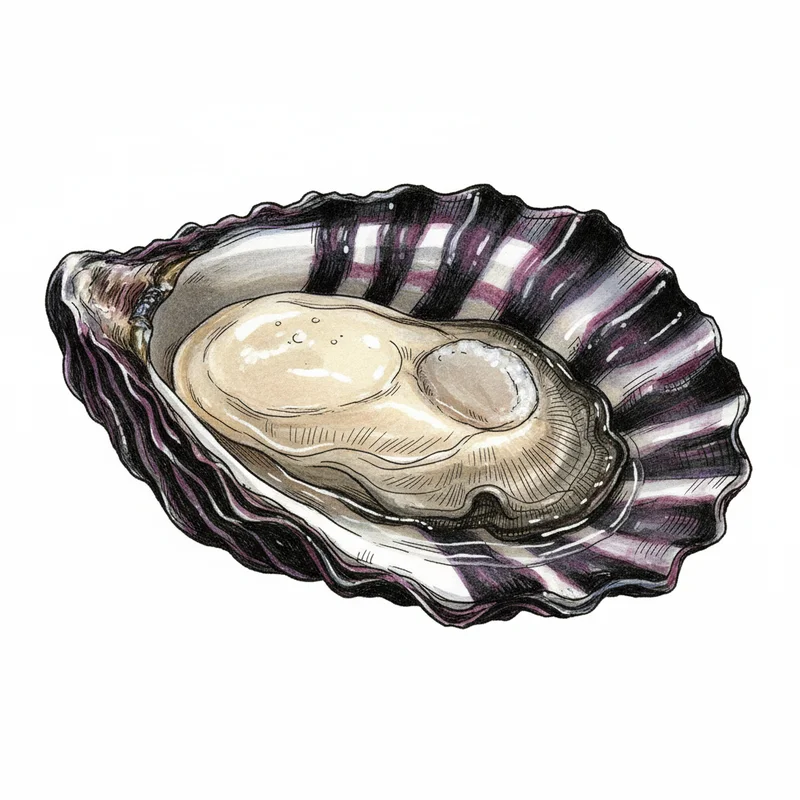
Hog Island Sweetwater
Crassostrea gigas
The signature California oyster from Tomales Bay. Rich and sweet with creamy, buttery texture, balanced brine, and a slightly smoky finish.
At a Glance
Hog Island Sweetwater is a Pacific oyster (Crassostrea gigas) from the US West Coast. It is notably briny (4/5 brininess) and distinctly sweet (4/5 sweetness), with sweet, briny, creamy flavors and a finish that is lasting brine with slightly smoky, metallic notes. It is considered a beginner-friendly oyster.
Flavor Profile
Finish
Lasting brine with slightly smoky, metallic notes
Expert Notes
The definitive California oyster and Hog Island's signature variety. Named for the sweet water from Walker Creek that mingles with Tomales Bay's salinity, creating beautifully balanced oysters. Tumbled regularly for at least two years and purified in UV-sterilized saltwater, resulting in plump meat with rich sweetness, pronounced brine, and a creamy, buttery texture. The stunning black and purple shells are as impressive as the flavor. Origin & Characteristics
- Species
- Crassostrea gigas
- Native to
- Japan
- Grown in
- Tomales Bay, California, Walker Creek, Tomales Bay
- Size
- Small (2-2.75 inches)
- Shell Color
- Black and purple with striping
- Meat Color
- Light cream
What Experts Say
Across 7 sources, tasters describe this oyster as:
Unique notes: scallop-sweet, smoky, marine-salty
"The definitive California oyster, always marine-salty and scallop-sweet. Beautiful, too."
saltysweetscallopmarine
"Beloved by locals and an amazement to tourists. The Hog Island Sweetwater, is at the pinnacle of what West Coast oysters have to offer. It has a beautiful texture and a great balance of sweet and salty characteristics."
sweetsaltybalanced
"Salty and scallop sweet is a great profile. I would add creamy sweet full flavored. They are the best from the West."
saltysweetscallopcreamyfull flavored
"Salty and sweet, an appealing shell striping, pronounced cup, and easy-to-use hinge for shucking. A lasting brine finish, then a wash of stout beer."
saltysweetbriny
"A rich, sweet-tasting Pacific Oyster with a slightly smoky finish."
richsweetsmoky
"Usually I prefer Atlantic and Kumamoto oyster to Pacifics, but because Hog Island oysters taste so clean, I like their Hog Island Sweetwaters (which are Pacifics) most of all. The overarching taste profile of all Hog Island oysters is light and clean."
cleanlight
"Extra briny and creamy."
brinycreamy
"Great combination of sweet and briny. Nice size"
sweetbriny
"Ok…but a but metallic on the finish for me"
metallic
About the Farm
Hog Island Oyster Company
Est. 1982Founded by three marine biologists on California's Tomales Bay in 1982. First oyster seed was planted in 1983 with a five-acre lease, and has since expanded to 160 leased acres in the bay.
- Cultivation Method
- rack and bag
History & Background
Hog Island Oyster Company was founded in 1982 by marine biologists John Finger and Terry Sawyer, who planted their first oyster seed in 1983 in Tomales Bay, California. They pioneered the use of the French rack-and-bag cultivation method in California, which they helped popularize throughout the region.
The Sweetwater is described as 'the definitive California oyster' and the signature oyster from Tomales Bay. Beloved by locals and popular with tourists visiting the Bay Area. The farm's Marshall location offers picnicking and is described as 'one of the great pleasures of the Bay Area.'
Did You Know?
- All oysters are purified after harvest in a tank with UV-sterilized saltwater, making Hog Island the only company known to use this purification method
- The oysters are tumbled regularly to create beautiful shell shapes and don't reach harvest size until at least two years of age
- Tomales Bay is actually a geological crevice where the Pacific Continental Plate meets the North American Continental Plate, sliding northward at two inches per year
Sources & References
This information was compiled from 7 sources.
- Hog Island Sweetwater - California — The Oyster Guide
- Hog Island Sweetwater Oyster — Oysterater
- Hog Island Sweetwaters (Extra Small) — Hog Island Oyster Co.
- Three Little Hogs — The Oyster Guide
- Hog Island Oyster Company, A Leader in Sustainable Aquaculture — Impakter
- Hog Island Sweetwater Oyster - Chefs Resources — Chefs Resources
- How Exactly Do You Farm Oysters? — The Bold Italic
Similar Oysters
Eagle Rock
US West CoastClassic Totten Inlet oyster from South Puget Sound. Bag-to-beach cultivated for creamy, sweet meat with high brininess and the distinctive nori finish that defines the region. Saltier than most South Sound varieties.
Calm Cove
US West CoastBeach-grown Pacific oyster from Washington's Totten Inlet and Hood Canal. Sweet and creamy with balanced brininess and a clean mineral finish. Cultivated by the Fagergren Family since 1946 in the nutrient-rich waters of South Puget Sound.
Humboldt Gold
US West CoastIntertidal beach-cultured Pacific oyster from Humboldt Bay, Northern California. Full, plump meats with medium brininess, buttery sweetness, and a clean cucumber finish. Excellent for both beginners and connoisseurs.
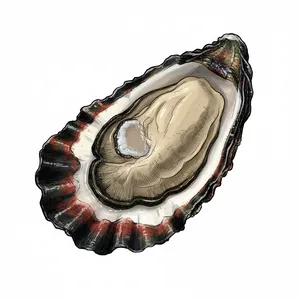
Treasure Cove
US West CoastPremium Pacific oyster from Case Inlet in Southern Puget Sound. Deep-cupped with plump meat, offering a distinctive sweet-salty balance with crisp brininess and an intensely sweet, clean finish.
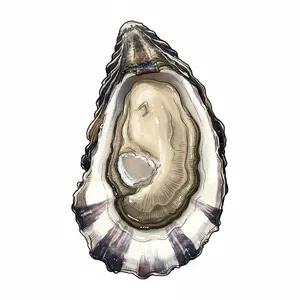
Baywater Sweet
US West CoastBoutique Pacific oyster from Thorndyke Bay in Hood Canal, Washington. Deep-cupped with exceptionally sweet flavor balanced by high brininess and a rich umami finish. Tumbled in tides, producing strong shells and full meat.
Learn More
The Big Five: A Complete Guide to Commercial Oyster Species
Comprehensive guide to C. virginica (Atlantic), C. gigas (Pacific), C. sikamea (Kumamoto), O. lurida (Olympia), and O. edulis (European Flat)
Read article → Biology & SpeciesThe Pacific Oyster (C. gigas): Cream, Cucumber, and the Japanese Legacy
Understanding the world's most cultivated oyster - from Japanese origins to West Coast dominance
Read article → Merroir & EnvironmentWhat Is Merroir? How Water Shapes Oyster Flavor
Merroir is the marine version of terroir: how salinity, temperature, tides, and plankton in the growing water shape an oyster's flavor. The science, plus how to taste it.
Read article →