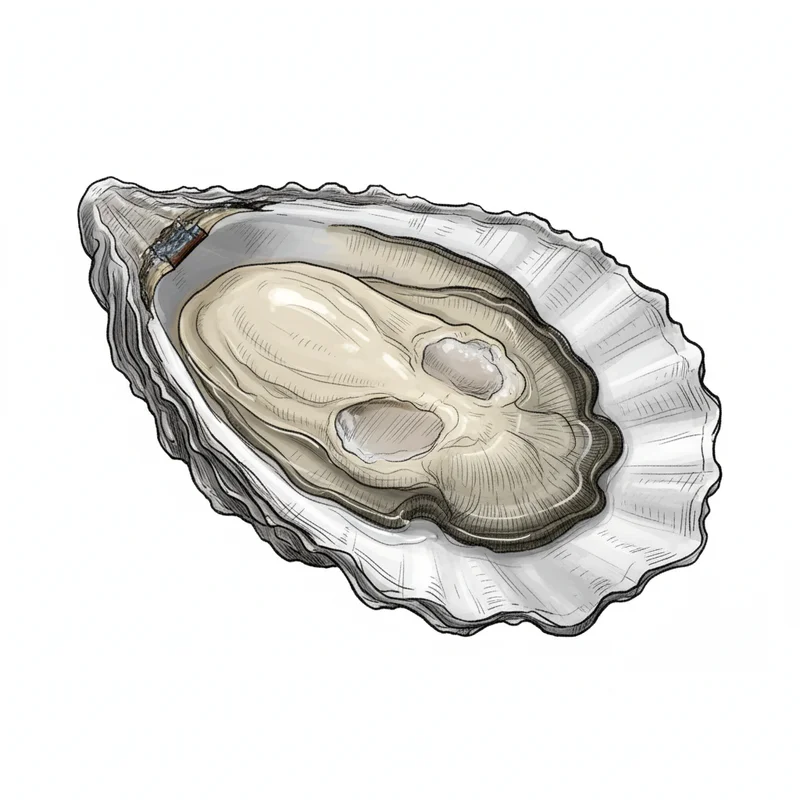
Humboldt Gold
Crassostrea gigas
Intertidal beach-cultured Pacific oyster from Humboldt Bay, Northern California. Full, plump meats with medium brininess, buttery sweetness, and a clean cucumber finish. Excellent for both beginners and connoisseurs.
At a Glance
Humboldt Gold is a Pacific oyster (Crassostrea gigas) from the US West Coast. It is moderately briny (3/5 brininess) and distinctly sweet (4/5 sweetness), with buttery, sweet, briny flavors and a finish that is clean with light cucumber notes. It is considered a beginner-friendly oyster.
Flavor Profile
Finish
Clean with light cucumber notes
Expert Notes
Humboldt Gold oysters are intertidal beach-cultured Pacific oysters that showcase the unique terroir of Humboldt Bay's northern California waters. These oysters develop full, plump meats with a complex flavor profile that balances medium brininess with a distinctive buttery sweetness. Their firm texture and clean cucumber finish reflect their hardy upbringing fighting the tides on the mudflats, resulting in a sophisticated oyster that appeals equally to beginners and connoisseurs. Origin & Characteristics
- Species
- Crassostrea gigas
- Native to
- Japan
- Grown in
- Humboldt Bay, Northern California
- Size
- Medium (up to 3 inches)
- Shell Color
- Gray-white
- Meat Color
- Cream
What Experts Say
Across 6 sources, tasters describe this oyster as:
Unique notes: hearty, crisp, fresh finish
"This is an intertidal line grown oyster from Humboldt Bay in northern California. This method produces a fairly hearty oyster, since they are exposed to natural pressures of weather and tide. Humboldt Gold Oysters have full, plump meats with a medium brininess and a delicate, buttery flavor."
plumpdelicatebutterymedium brininess
"This is an intertidal line grown oyster from Humboldt Bay in northern California. This method produces a fairly hearty oyster, since they are exposed to natural pressures of weather and tide. Humboldt Gold Oysters have full, plump meats with a medium brininess and a delicate, buttery flavor."
plumpheartymedium brininessdelicatebuttery
"Humboldt Gold Oysters have full, plump meats with a medium brininess and a buttery sweet flavor. They are excellent both for beginners as well as oyster connoisseurs."
plumpmedium brininessbutterysweet
"Beach-cultured oyster from Humboldt Bay. Strong shell, deep cup, moderate California brine."
brinymoderate brine
"Our Humboldt Gold Kumamoto is a true Kumamoto oyster raised and tumbled in baskets suspended above the bay floor of Humboldt Bay, California. Rather than being cluster grown like a Kumamoto, this unique growing method provides a deep cup and a uniform shape. Visually stunning, this oyster carries a crisp, briny flavor with a sweet, fresh finish."
crispbrinysweetfresh
About the Farm
Humboldt Gold oysters are intertidal beach-cultured oysters from Humboldt Bay in northern California. The intertidal cultivation method exposes them to natural pressures of weather and tide, producing a hearty oyster with strong shells.
- Cultivation Method
- bottom culture
History & Background
Humboldt Gold represents the Pacific oyster (Crassostrea gigas) cultivated in Humboldt Bay, using traditional intertidal beach culture methods that have been employed in Northern California oyster farming.
Beach cultured oysters are raised on tidal beaches with sandy or rocky bottoms. They are accustomed to fighting the tides, clamping tightly shut during low tides to preserve their liquor and protect themselves against predators. This tough life creates hearty oysters with hard, sturdy shells that shuckers prefer to work with.
Did You Know?
- The name 'Humboldt Gold' is also used for a Kumamoto variety grown in the same bay using suspended basket culture
- Their ability to close tightly, coupled with hard shells, gives them a longer shelf life than many other oysters
Sources & References
This information was compiled from 6 sources.
- Humboldt Gold - Fortune Fish & Gourmet — fortunefishco.net
- Humboldt Gold Oysters - Chefs Resources — chefs-resources.com
- Humboldt Gold - Oysterater — oysterater.com
- Live Oysters - Fortune Fish & Gourmet 2015 — fortunefishco.net
- Humboldt Gold Kumamoto Oysters - Penn Cove Shellfish — whidbey.com
- California Oysters - Oysterater — oysterater.com
Similar Oysters
Calm Cove
US West CoastBeach-grown Pacific oyster from Washington's Totten Inlet and Hood Canal. Sweet and creamy with balanced brininess and a clean mineral finish. Cultivated by the Fagergren Family since 1946 in the nutrient-rich waters of South Puget Sound.
Cold Creek
US West CoastCultivated Pacific oyster from Southern Puget Sound with plump, sweet meat and midsized white-and-black shells. Balanced brininess with a distinctive salty-melon finish reminiscent of a New England clambake.
Eagle Rock
US West CoastClassic Totten Inlet oyster from South Puget Sound. Bag-to-beach cultivated for creamy, sweet meat with high brininess and the distinctive nori finish that defines the region. Saltier than most South Sound varieties.
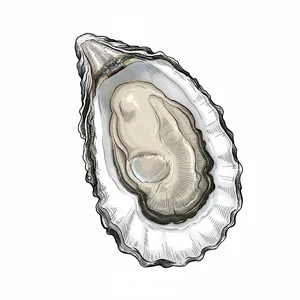
Henderson Inlet
US West CoastA community-farmed Puget Sound oyster from a restored watershed. Small and plump with sweet, buttery meat, light salinity, and a distinctive cucumber-earthy finish. All proceeds support water quality restoration.
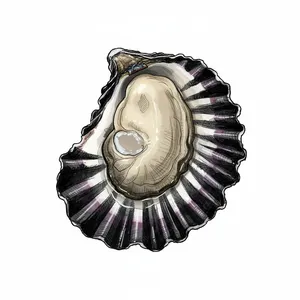
Hog Island Sweetwater
US West CoastThe signature California oyster from Tomales Bay. Rich and sweet with creamy, buttery texture, balanced brine, and a slightly smoky finish.
Learn More
The Big Five: A Complete Guide to Commercial Oyster Species
Comprehensive guide to C. virginica (Atlantic), C. gigas (Pacific), C. sikamea (Kumamoto), O. lurida (Olympia), and O. edulis (European Flat)
Read article → Biology & SpeciesThe Pacific Oyster (C. gigas): Cream, Cucumber, and the Japanese Legacy
Understanding the world's most cultivated oyster - from Japanese origins to West Coast dominance
Read article → Merroir & EnvironmentWhat Is Merroir? How Water Shapes Oyster Flavor
Merroir is the marine version of terroir: how salinity, temperature, tides, and plankton in the growing water shape an oyster's flavor. The science, plus how to taste it.
Read article →