
Katama Bay
Crassostrea virginica
Large, deeply-cupped Martha's Vineyard oyster famous for its intense brine and sweet-candy finish. Grown in strong Katama Bay currents, these salt bombs deliver smooth creaminess and are considered among New England's finest.
At a Glance
Katama Bay is an Eastern oyster (Crassostrea virginica) from the US East Coast. It is intensely briny (5/5 brininess) and distinctly sweet (4/5 sweetness), with briny, sweet flavors and a finish that is sweet as candy, smooth, memorable.
Flavor Profile
Finish
Sweet as candy, smooth, memorable
Expert Notes
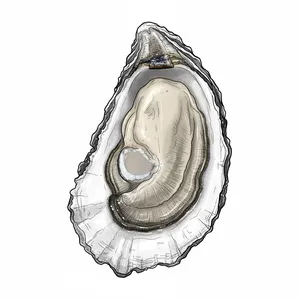
Katama Bay oysters are legendary salt bombs from Martha's Vineyard's famous sandy bay. Grown fully submerged in nutrient-rich waters with strong currents, these palm-sized oysters develop an intensely briny punch followed by smooth creaminess and a distinctive sweet-candy finish. Their bleached white shells result from sandy substrate and strong tidal currents that scrub them clean. The mysterious sweet-cream roundness and high salinity make these some of New England's finest oysters, best enjoyed completely naked without any accouterments. Origin & Characteristics
- Species
- Crassostrea virginica
- Native to
- USA
- Grown in
- Katama Bay, Edgartown, Martha's Vineyard, Massachusetts
- Size
- Large (3.5-4 inches)
- Shell Color
- Clean white, bleached
- Meat Color
- Firm white
What Experts Say
Across 9 sources, tasters describe this oyster as:
Unique notes: sweet-cream roundness, salt bomb, candy finish, vegetal aftertaste, earthy
"The flavor mixes intense brine, as you'd expect from such Atlantic parts, with a sweet-cream roundness that is mysterious and wonderful, making these some of New England's finest."
brinyintense brinesweet-creamsweet
"The flavor profile is very sweet with a medium salt content. The finish is soft, clean and has a pronounced sweet-cream roundness."
sweetmedium saltsoftcleansweet-cream
"Medium/Large sized shells, around 3.5", very plump large oysters inside. Clean white oysters and some of the saltiest I've had yet. A similar look and taste to Wellfleets, but Katama are larger and a higher salinity."
saltyplumpclean
"Absolutely wonderful, tasty, and satisfying. These babies are best eaten without any additives, not even lemon."
tastysatisfying
"Katama Bays were clean, crisp, briny and buttery. There was a great earthy, vegetal aftertaste that signaled its MV heritage."
cleancrispbrinybutteryearthy
"A salt bomb with a sweet-as-candy finish."
saltysalt bombsweetcandy
"The Katama Bays (from Martha's Vineyard) gave [Island Creeks] a run for their money, showing the same flashiness but perhaps a bit more cohesion in their flavors."
brinysweet-creamycohesive
"These oysters are exposed to the deepest and strongest currents of Katama Bay where they feed on nutrient-rich waters. Signature Oyster Farm describes their oysters as 'a salt bomb with a candy finish'."
saltysweetsalt bombcandy
About the Farm
Signature Oyster Farm
Est. 2006Founded by Ryan Smith in Katama Bay, Martha's Vineyard. Ryan's father was a commercial fisherman who encouraged him to pursue aquaculture for its brighter future. They now operate 2 farms together with a small team, working 7 days a week and taking great pride in their wind-powered tumbling process.
- Cultivation Method
- rack and bag
History & Background
Katama Bay has been a shellfish bonanza for centuries. The name 'Katama' comes from the original Wampanoag language meaning 'crab-fishing place.' The bay separates Chappaquiddick Island from the rest of Martha's Vineyard and is known for its pristine waters, strong tidal flows, and sandy bottom.
Considered among New England's finest oysters, Katama Bay oysters are highly prized in the region's raw bars and seafood restaurants. They are sometimes sold under the name 'Sweet Petites' depending on the grower.
Did You Know?
- Sweet Petites, which placed third in the 2008 Oyster Invitational Challenge, are actually Katama Bay oysters under a different brand name
- The oysters benefit from some of the deepest and strongest currents in Katama Bay where they feed on nutrient-rich waters
- Ryan Smith uses a wind-powered tumbler daily during growing season to strengthen shells, deepen cups, and plump meats
Sources & References
This information was compiled from 9 sources.
- Katama Bays — Oyster Guide
- Katama Bay - Fortune Fish & Gourmet — Fortune Fish Co
- Katama Bay - Oysterater — Oysterater
- Katama Signature Oyster - Oysterology Online — Pangea Shellfish
- Katama Bay Oysters - The Oyster Encyclopedia — Oyster Encyclopedia
- A Week in the Life of an Oysterholic — In A Half Shell
- Oyster Guide: April CSA — Shellfish Broker
- Neptune Oyster - Oyster Guide — Oyster Guide
- Oyster Invitational Challenge Results — Oyster Guide
Similar Oysters
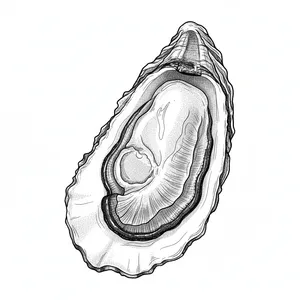
Rocky Nook
US East CoastA Cape Cod oyster from Kingston, Massachusetts. Medium-high brine with silky, buttery sweet meats and a lingering briny finish. Creamy texture with balanced salinity.
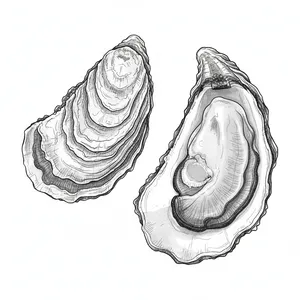
Snow Hill
US East CoastGrown in floating bags in Chincoteague Bay, Maryland. Bold and briny with creamy, bread-like sweetness. Balances ocean salt with freshwater character for approachable yet flavorful taste.
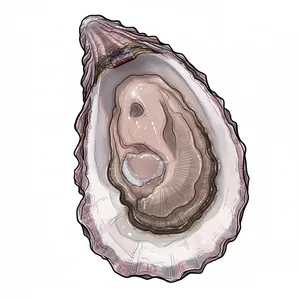
Watch Hill
US East CoastSmall farm-raised Rhode Island oyster from Winnapaug Pond. High salinity with crisp brininess leading to a distinctive mellow buttery sweet finish. Firm pink meat in unique fan-like shells.
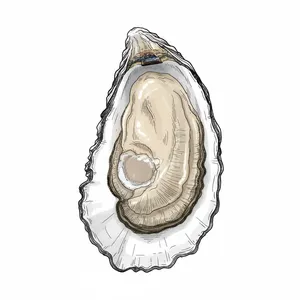
Cape May Salt
US East CoastA stalwart mid-Atlantic oyster from Delaware Bay, New Jersey. Briny and sweet with exceptionally plump, creamy meat from rack and bag cultivation near Cape May's salty waters.
Cedar Island Select
US East CoastA flagship North Carolina oyster from Cedar Island Bay's pristine waters. Large and deep-cupped with balanced brininess and a distinctive sweet, buttery finish. Sustainably farmed in floating cages.
Learn More
The Big Five: A Complete Guide to Commercial Oyster Species
Comprehensive guide to C. virginica (Atlantic), C. gigas (Pacific), C. sikamea (Kumamoto), O. lurida (Olympia), and O. edulis (European Flat)
Read article → Biology & SpeciesThe Atlantic Oyster (C. virginica): From Maritime Brine to Gulf Sweetness
Deep dive into America's indigenous East Coast oyster - flavor profiles, regional variations, and famous varieties
Read article → Merroir & EnvironmentWhat Is Merroir? How Water Shapes Oyster Flavor
Merroir is the marine version of terroir: how salinity, temperature, tides, and plankton in the growing water shape an oyster's flavor. The science, plus how to taste it.
Read article →