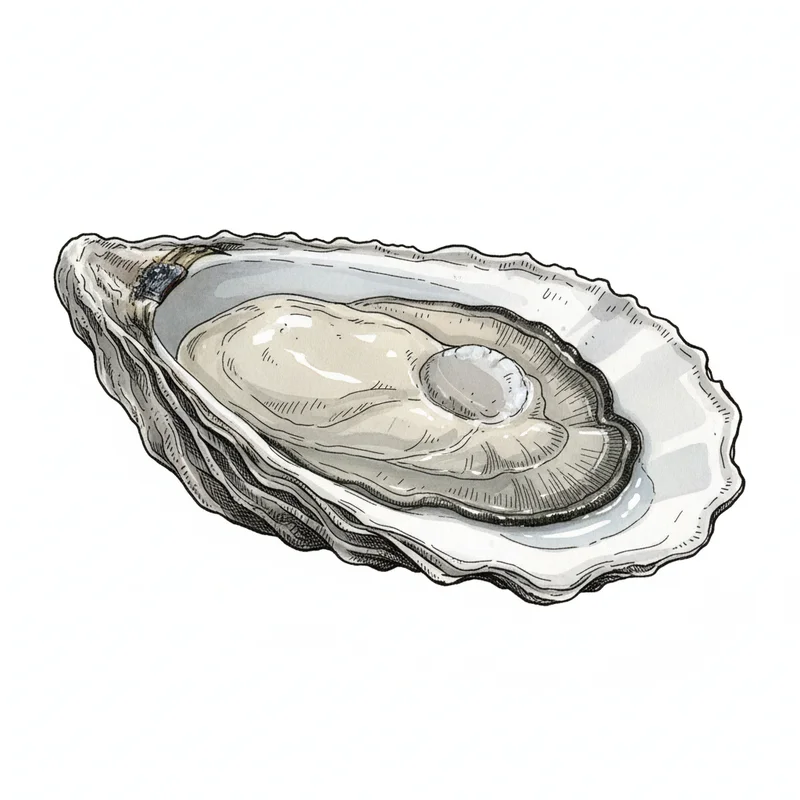
La Saint Simon
Crassostrea virginica
Small, delicate oyster from New Brunswick's Acadian Peninsula. Suspension-cultured with a firm texture, medium brininess, and a distinctive sweet-citrus finish that showcases the Maritime's refined oyster style.
At a Glance
La Saint Simon is an Eastern oyster (Crassostrea virginica) from the Canada East Coast. It is moderately briny (3/5 brininess) and moderately sweet (3/5 sweetness), with briny, sweet, citrus flavors and a finish that is sweet-citrus, clean, buttery. It is considered a beginner-friendly oyster.
Flavor Profile
Finish
Sweet-citrus, clean, buttery
Expert Notes
La Saint Simon oysters are suspension-cultured in the protected waters of New Brunswick's Acadian Peninsula, where seed collected from Caraquet and Shippagan develops into delicate, cocktail-sized oysters. These slow-grown Maritime oysters possess a pleasantly firm texture despite their small size, opening with medium salinity that gives way to a distinctive sweet-citrus finish with subtle buttery notes. A staple among locals and a classic representation of New Brunswick's delicate oyster style. Origin & Characteristics
- Species
- Crassostrea virginica
- Native to
- Canada
- Grown in
- Shippagan, New Brunswick, Acadian Peninsula, New Brunswick
- Size
- Small to Medium (2.5-3 inches)
- Shell Color
- Gray-white with smooth teardrop shape
- Meat Color
- Light gray to cream
What Experts Say
Across 6 sources, tasters describe this oyster as:
Unique notes: sweet-citrus finish, mineral finish, dynamic, transforms on palate
"A dynamic and sharp brine, supple meat and a sweet, mineral finish. The La Saint Simon Oyster from Shippagan, New Brunswick is one-of-a-kind oyster because it has an amazingly dynamic flavor -- wonderful briny start, then transforms on the palate into sweet, buttery goodness down the throat."
brinysweetbutterymineraldynamic
"Her dynamic flavor almost can't be described. A briny start delicately transforms into sweet, buttery happiness. The creaminess lingers and closes with a subtle sweet-citrus finish. She's the perfect dinner guest."
brinysweetbutterycreamycitrus
"Refined, brown-shelled, light-bodied oysters from Shippagan, one of Beausoleil's homes. It would be easy to mistake these clean 2.5-inchers for Beausoleils. They seem equally uniform in their smooth teardrop shapes. Tray-cultured in similar ways, they make decent substitutes, though their gray flesh is more salty and less creamy. Still, they have genuine sweetness and make excellent ambassadors to the land of the oyster-shy."
saltysweetcleanlight-bodiedrefined
"The size was petite and almost looked a bit bashful or shy. The thin body broke instantly upon chewing and released a slightly salty, yet surprising flavor."
saltypetitethin
"What I enjoyed most was its dynamic flavor -- an initial mild brininess, but finished with a sweet and pleasant ocean flavor. For comparison's sake, it was similar to a La Saint Simon in that the flavor changed as it moved across your palate."
brinysweetoceandynamicpleasant
About the Farm
L'Étang Ruisseau Bar (Mallet Family)
Est. 1972The Mallet family has been involved in shellfish aquaculture for over 45 years in northern New Brunswick. The brilliant combination of marine biologists and oyster farmers allows the Mallet family to grow oysters with a fast growth rate, exquisite taste and meaty fill. Now a third-generation family farm with André Mallet at the helm and his sons Marc André and Martin continuing the journey.
- Cultivation Method
- suspended culture
History & Background
L'Étang Ruisseau Bar was founded in 1972 and is named after a pond and stream where Striped Bass would spawn in Shippagan, New Brunswick. The farm initially collected seed in scallop shells but later adopted French technology including the 'Chinese Hat' which was revolutionary at the time.
La Saint Simon oysters are from Shippagan, one of Beausoleil's homes, and are considered excellent ambassadors for oyster-shy eaters due to their refined, approachable flavor profile.
Did You Know?
- The Mallet family traveled to France to purchase a 'Chinese Hat' hatchery technology that was revolutionary at the time
- Oysters are grown in Saint-Simon Bay with 5-foot tides fed from Chaleur Bay surrounded by peatlands and salt marshes over pristine eelgrass beds
- Equipment must be sunk below the surface or removed during winter months when the bay is covered with up to 1 meter of ice
Sources & References
This information was compiled from 6 sources.
- Saint Simon Oyster — Oysterology Online — Pangea Shellfish Company
- La Saint Simon - Real Oyster Cult — Real Oyster Cult
- La Saint Simon - New Brunswick - The Oyster Guide — The Oyster Guide
- Oyster Tasting Log - Peek & Eat — Peek & Eat Blog
- La Saint Simon - The Oyster Encyclopedia — Oyster Encyclopedia
- New PEI Oysters In-the-House: Daisy Bay and Irish Point Oysters! — Pangea Shellfish Company
Similar Oysters
Daisy Bay
Canada East CoastA well-balanced Prince Edward Island oyster grown wild in red bay mud. Leads with bright salinity and finishes with mild cucumber smoothness and sweet notes. Cultivated for 4-6 years in pristine northern waters.
Colville Bay
Canada East CoastCanada's most sought-after oyster. Stunning jade shells, crunchy texture, and bright nutty-sweet flavors with a floral lemon zest finish.
French Kiss
Canada East CoastA larger, mature Beausoleil from Miramichi Bay, New Brunswick. Full and plump with sharp brininess, clean taste, and a sweet finish. Hand-packed with exceptional attention to detail.
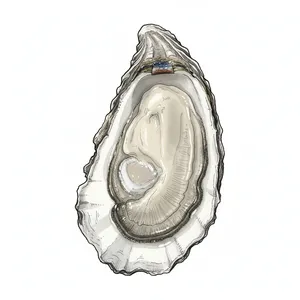
Gooseberry Bay
Canada East CoastFarm-raised in floating bags in Malpeque Bay, Prince Edward Island. Briny with sweet, nutty astringency, firm plump meats, and abundant rich liquor from the nutrient-rich Cape Shore waters.
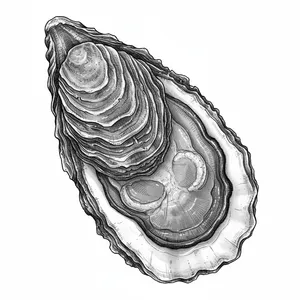
Raspberry Point
Canada East CoastA substantial PEI oyster with impressive size and balance. Briny with a clean, sweet finish and firm, plump meat.
Learn More
The Big Five: A Complete Guide to Commercial Oyster Species
Comprehensive guide to C. virginica (Atlantic), C. gigas (Pacific), C. sikamea (Kumamoto), O. lurida (Olympia), and O. edulis (European Flat)
Read article → Biology & SpeciesThe Atlantic Oyster (C. virginica): From Maritime Brine to Gulf Sweetness
Deep dive into America's indigenous East Coast oyster - flavor profiles, regional variations, and famous varieties
Read article → Merroir & EnvironmentWhat Is Merroir? How Water Shapes Oyster Flavor
Merroir is the marine version of terroir: how salinity, temperature, tides, and plankton in the growing water shape an oyster's flavor. The science, plus how to taste it.
Read article →