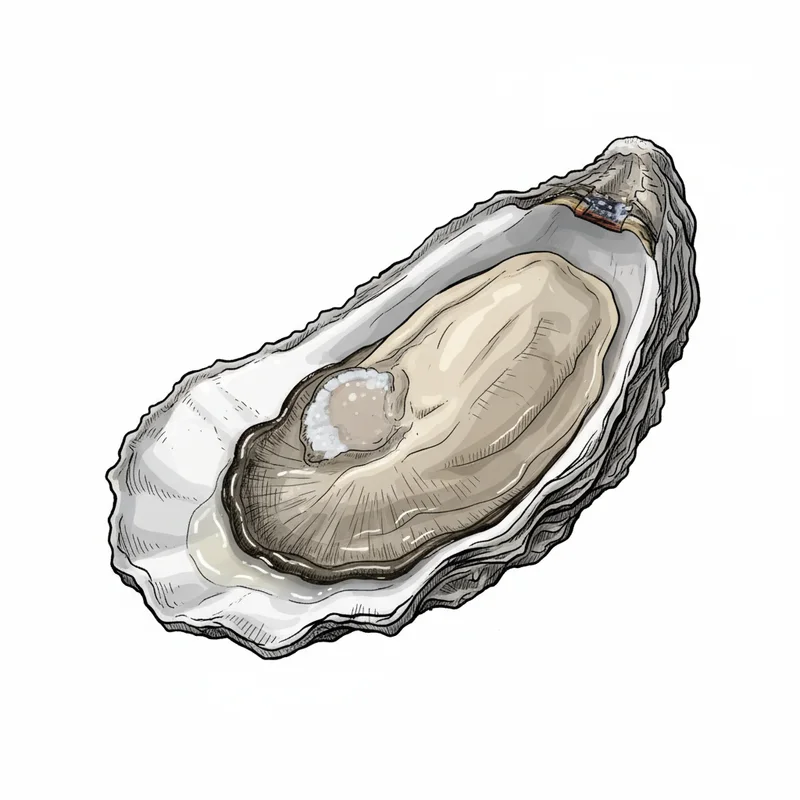
Lady's Island
Crassostrea virginica
Sustainably farmed South Carolina oyster from the Coosaw River. Large, deep-cupped, and plump with a salt-heavy briny start that gives way to a sweet, clean finish. Handcrafted from hatchery to harvest.
At a Glance
Lady's Island is an Eastern oyster (Crassostrea virginica) from the US East Coast. It is notably briny (4/5 brininess) and distinctly sweet (4/5 sweetness), with briny, sweet flavors and a finish that is sweet, clean finish.
Flavor Profile
Finish
Sweet, clean finish
Expert Notes
Lady's Island oysters are handcrafted from hatchery to harvest in the pristine saltwater estuaries of South Carolina's Lowcountry. Nurtured by pure saltwater flowing directly from the Atlantic through the Coosaw River, these deep-cupped oysters deliver a distinctive two-stage tasting experience: a salt-heavy, briny beginning that transitions into a notably sweet, clean finish. The firm, plump meat reflects the sustainable mariculture practices that make these oysters perfect for hot Charleston evenings. Origin & Characteristics
- Species
- Crassostrea virginica
- Native to
- USA
- Grown in
- Coosaw River, Beaufort, South Carolina
- Size
- Large (3-4 inches)
- Shell Color
- Gray-white
- Meat Color
- Cream
What Experts Say
Across 11 sources, tasters describe this oyster as:
Unique notes: explosions of brine, umami, like biting the ocean, thirst-inducing, vegetal
"From Lady's Island, SC, this oyster is advertised as having a briny beginning with a sweet finish, and I thought it tasted extremely meaty and chewy."
brinysweetmeatychewy
"Lady's Island Oyster Inc. produces clean, deep-cupped, and plump oysters. These oysters are perfect to shuck and eat on hot, humid Charleston evenings. They have a nice firm flesh with a salt-heavy briny start that gives way to a sweet, clean finish."
cleanbrinysweetfirm
"Explosions of brine and umami, which will have you scrambling for a beer. Grown in the pristine ACE Basin of the South Carolina Lowcountry with salinities ranging from 31 to 35, saltier than the sea."
brinyumamisalty
"Grown in a salt marsh washed by pure Atlantic seawater, these are as salty as any oyster on the planet. Delicious, if thirst-inducing."
saltybriny
"Single lady's were like biting the ocean – briny, bright, clean. Nice firm flesh, slightly vegetal. Firm white shells."
brinybrightcleanfirmvegetal
"All oysters were very consistently perfect. Briny, clean taste with slight mineral and creamy finish. Highly enjoyed."
brinycleanmineralcreamy
"Sold as Lady's Island Singles, Coosaw Cups and Phat Lady's, the oysters have common characteristics—wide fans, upward hinged shells for easier shucking, deep cups containing a generous morsel of meat and the clean, salty taste of St. Helena Sound."
cleansalty
About the Farm
Lady's Island Oyster Inc.
Est. 2009Founded by Frank Roberts, a retired Marine, Lady's Island Oyster became the first and oldest oyster farm in South Carolina. After a 2014 moratorium on importing seed oysters, it became South Carolina's only oyster hatchery, supplying seedlings to farms across the southeastern U.S.
- Cultivation Method
- floating bags
History & Background
Lady's Island Oyster was founded in the early 2000s by Frank Roberts in South Carolina's ACE Basin and became the state's first commercial oyster farm in 2009. After a 2014 state moratorium on importing seed oysters from the north due to disease concerns, Roberts' operation became South Carolina's only oyster hatchery, playing a crucial role in developing the state's mariculture industry.
Lady's Island oysters have become a signature product in Charleston's premium raw bar scene and are popular in restaurants throughout the Southeast. The farm won the best oyster award at the Annual Beaufort Oyster Festival and has been featured in national publications as representing South Carolina's emerging oyster farming industry.
Did You Know?
- Lady's Island oysters are grown in waters with salinities of 31-35, making them saltier than typical seawater
- The farm is located in the pristine ACE Basin (Ashepoo, Combahee, and Edisto Rivers), one of the largest undeveloped estuaries on the East Coast
- Oysters are grown 'on a stick' in floating cages that can be brought to parties
- South Carolina has more acres of prime oyster habitat than probably anywhere else in the country, yet mariculture is just emerging
Sources & References
This information was compiled from 11 sources.
- A taste of the sea - I tried every oyster at NICO — Salt City Arts Review
- Shell game — SC Living
- A State-by-State Guide to the South's 35 Best Oysters — Garden & Gun
- Romancing the Oyster — The Local Palate
- Oysters on a Stick — The Oyster Guide
- Lady's Island Oyster — Oysterater
- Lady's Island Oyster — Lady's Island Oyster
- Tank to Table: How Single Oyster Mariculture Works — SC Sea Grant
- Oysters Year Round — Pat Branning
- Our Board - South Carolina Shellfish Growers Association — SC Shellfish Growers Association
- All About South Carolina Oysters — Discover South Carolina
Similar Oysters
Dennis
US East CoastCape Cod Bay oyster from South Dennis, Massachusetts. Plump meat with high brininess balanced by sweetness. Three years of growth in pristine open ocean waters create a rich, clean, and savory flavor profile.
Island Creek
US East CoastThe flagship of New England oysters. Briny and buttery with firm meat, vegetal richness, and a distinctive lobster-stock finish.
Northern Cross
US East CoastA boutique Virginia oyster with exceptional complexity. Grown by Bubba Frisby using a unique two-stage process, finishing in super-salty cold waters of the Virginia National Wildlife Refuge. Much brinier than typical Virginia oysters with a supersweet finish.
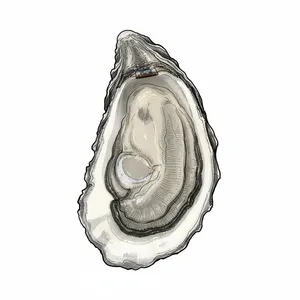
Quivet Neck
US East CoastAward-winning Cape Cod oyster from Dennis mudflats. High brine with plump, firm meat and umami notes that finish sweet and delicate. Grown off-bottom in elevated trays.
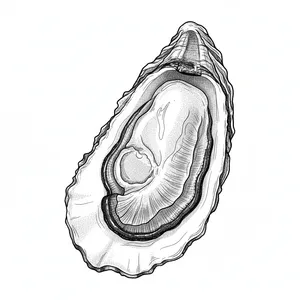
Rocky Nook
US East CoastA Cape Cod oyster from Kingston, Massachusetts. Medium-high brine with silky, buttery sweet meats and a lingering briny finish. Creamy texture with balanced salinity.
Learn More
The Big Five: A Complete Guide to Commercial Oyster Species
Comprehensive guide to C. virginica (Atlantic), C. gigas (Pacific), C. sikamea (Kumamoto), O. lurida (Olympia), and O. edulis (European Flat)
Read article → Biology & SpeciesThe Atlantic Oyster (C. virginica): From Maritime Brine to Gulf Sweetness
Deep dive into America's indigenous East Coast oyster - flavor profiles, regional variations, and famous varieties
Read article → Merroir & EnvironmentWhat Is Merroir? How Water Shapes Oyster Flavor
Merroir is the marine version of terroir: how salinity, temperature, tides, and plankton in the growing water shape an oyster's flavor. The science, plus how to taste it.
Read article →