
Lavaca Bay
Crassostrea virginica
Texas Gulf Coast oyster with pronounced briny intensity and complex oceanic flavors. Rich and full-bodied with subtle sweetness, reflecting the high salinity of Lavaca Bay's coastal waters.
At a Glance
Lavaca Bay is an Eastern oyster (Crassostrea virginica) from the US Gulf Coast. It is notably briny (4/5 brininess) and subtly sweet (2/5 sweetness), with briny, rich flavors and a finish that is rich, oceanic, lingering brine.
Flavor Profile
Finish
Rich, oceanic, lingering brine
Expert Notes
Lavaca Bay oysters embody the distinctive character of Texas Gulf Coast waters with their pronounced briny intensity and complex oceanic flavors. Reflecting the high salinity conditions of their coastal environment, these oysters deliver a rich, full-bodied taste with subtle sweet undertones that balance their assertive saltiness. The unique terroir of Lavaca Bay's nutrient-rich waters produces oysters prized for their depth of flavor and authentic Gulf Coast character. Origin & Characteristics
- Species
- Crassostrea virginica
- Native to
- USA
- Grown in
- Lavaca Bay, Texas Gulf Coast
- Size
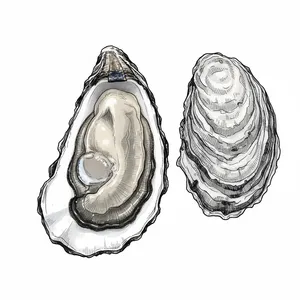
- Small to Medium (2-3.5 inches)
- Shell Color
- Gray-white
- Meat Color
- Cream to light gray
What Experts Say
Across 7 sources, tasters describe this oyster as:
Unique notes: full-bodied, complex oceanic flavors
"Known for their large, tender meat and mild flavor. Fresh, briny flavor that reflects the high salinity of Lavaca Bay's coastal waters."
brinymildtender
About the Farm
Oyster farming in Lavaca Bay has a rich history that dates back hundreds of years. The bay, formed when the sea level rose following the last ice age, has been a significant site for seafood harvesting.
- Cultivation Method
- wild harvest
History & Background
Lavaca Bay was formed when the sea level rose following the last ice age, flooding the Lavaca River-Garcitas Creek basin. The bay has been a significant site for seafood harvesting for hundreds of years.
An excellent oyster map of Lavaca Bay was produced in 1913 by Moore and Danglade, requiring months of work with a large crew rowing throughout the bay to survey oyster reefs. The area experienced mercury pollution from industrial activities in the late 1960s to early 1970s, though it is now deemed safe for oyster consumption.
Did You Know?
- The name Lavaca comes from the Spanish adaptation of the French word 'vache' meaning cow
- A detailed oyster reef map was created in 1913 after months of surveying by rowboat
- Despite past mercury contamination issues, the area is now approved for shellfish harvest
Sources & References
This information was compiled from 7 sources.
- Lavaca Bay Oysters - The Oyster Encyclopedia — The Oyster Encyclopedia
- Lavaca Bay Oyster — Oysterater
- Lavaca Bay - Wikipedia — Wikipedia
- Technology in Fisheries Management - Texas Parks and Wildlife — Texas Parks and Wildlife
- Shellfish Harvest Area Status and Maps | Texas DSHS — Texas Department of State Health Services
- Texas Oysters and a Path to a Sustainable Fishery — CCA Texas
- Lavaca Bay Restoration, Point Comfort, Calhoun Co., Texas — U.S. Department of the Interior
Similar Oysters
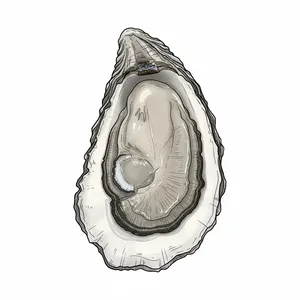
Apalachicola
US Gulf CoastWild-harvested Gulf Coast oyster from Florida's legendary Apalachicola Bay. Small, intensely briny, and robust with a distinctive flavor that earned global recognition as the pinnacle of oyster quality.
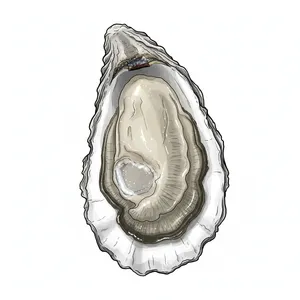
Isle Dauphine
US Gulf CoastHand-crafted Alabama oyster from Dauphin Island with bold brininess and firm texture. Grown in raised cages with strong wave action that creates a deep, meaty cup and consistent quality.
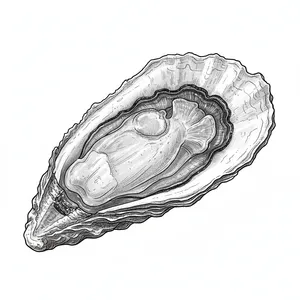
Ladies Pass
US Gulf CoastWild-harvested from Galveston Bay's Ladies Pass Reef. Large, firm oyster with high salinity, mouth-watering brine, sweet notes, and complex umami flavors with hints of asparagus and green bean.
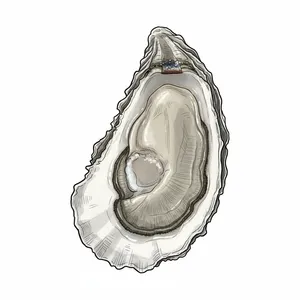
Pepper Grove
US Gulf CoastWild-harvested Gulf Coast oyster from Pepper Grove Reef in East Galveston Bay, Texas. Large, intensely briny with distinctive sweet notes and complex umami flavors. High-salinity environment creates firm texture and signature crenelated shell.
Cape Blue
US East CoastHand-grown Cape Cod Bay oyster from Barnstable Harbor. Medium-sized with distinctive white-and-black shells, highly briny with firm texture and a slightly nutty finish. Rich New England clambake flavor.
Learn More
The Big Five: A Complete Guide to Commercial Oyster Species
Comprehensive guide to C. virginica (Atlantic), C. gigas (Pacific), C. sikamea (Kumamoto), O. lurida (Olympia), and O. edulis (European Flat)
Read article → Biology & SpeciesThe Atlantic Oyster (C. virginica): From Maritime Brine to Gulf Sweetness
Deep dive into America's indigenous East Coast oyster - flavor profiles, regional variations, and famous varieties
Read article → Merroir & EnvironmentWhat Is Merroir? How Water Shapes Oyster Flavor
Merroir is the marine version of terroir: how salinity, temperature, tides, and plankton in the growing water shape an oyster's flavor. The science, plus how to taste it.
Read article →