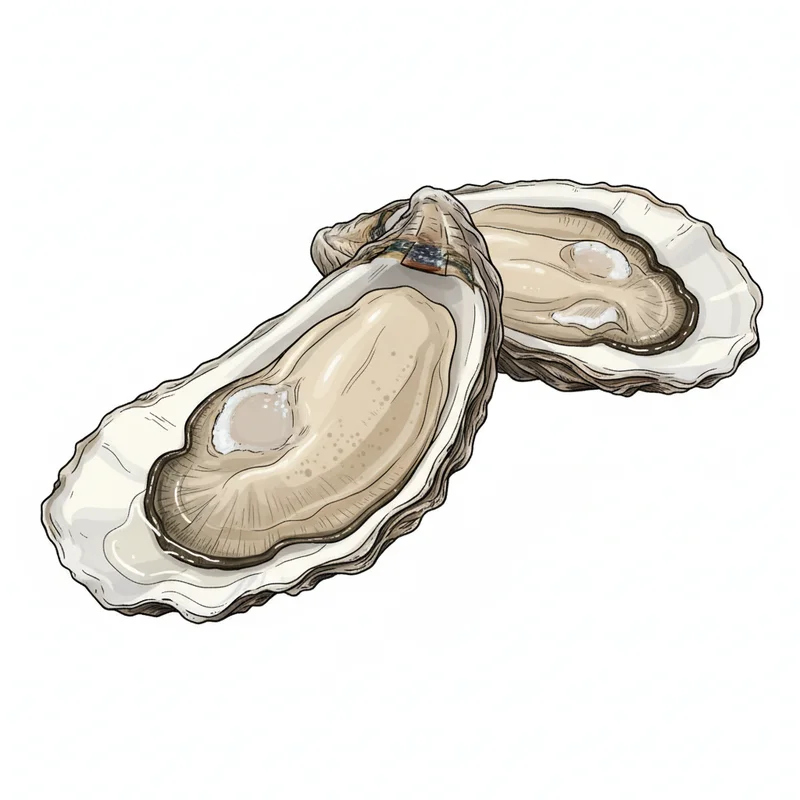
Little Island
Crassostrea virginica
A bright, fresh Maine oyster from the Bagaduce River. Mildly salty with sharp brine up front, delicate meats, and a sweet, creamy finish. Surface-cultured for smooth shells and deep cups, perfect for the half-shell.
At a Glance
Little Island is an Eastern oyster (Crassostrea virginica) from the US East Coast. It is moderately briny (3/5 brininess) and moderately sweet (3/5 sweetness), with briny, fresh, sweet flavors and a finish that is sweet, creamy finish with crisp, clean notes. It is considered a beginner-friendly oyster.
Flavor Profile
Finish
Sweet, creamy finish with crisp, clean notes
Expert Notes
Little Island oysters from Maine's Bagaduce River offer a bright, fresh Atlantic experience with a perfect balance of salt and sweetness. Surface-cultured to develop smooth, beautiful shells and deep cups, these oysters deliver sharp brine up front that transitions smoothly into delicate meats with a buttery texture. The crisp, clean finish with sweet, creamy notes makes them ideal half-shell oysters that showcase the pristine waters of the Bagaduce. Origin & Characteristics
- Species
- Crassostrea virginica
- Native to
- USA
- Grown in
- Bagaduce River, Maine
- Size
- Small to Medium (2.75-3 inches)
- Shell Color
- Smooth, clean shells
- Meat Color
- Light cream
What Experts Say
Across 7 sources, tasters describe this oyster as:
Unique notes: metallic, coppery, flinty, buttery
"Little Island Oysters have beautiful shells and deep cups almost the size of golf balls! Part of their lives are spent surface-cultured, which gives them their smooth shells. The creamy to light brown meat of these oysters is plump and substantial, with a big, pronounced flavor and metallic, 'coppery' finish – very distinct but far less briny than other oysters, with a 'sweet to flinty' overtone."
plumpsubstantialmetalliccopperysweet
"This is a bright, fresh and mildly salty oyster with a clean finish. Little Island oysters are perfect in the half shell at 2 ¾-3 inch."
brightfreshmildly saltyclean
"The Little Island Oyster Farm is nestled against the shoreline of their family island in the Bagaduce River in Maine. This is a bright, fresh and mildly salty oyster with a clean finish."
brightfreshmildly saltyclean
"The Bagaduce River in Hancock County, Maine is an ideal estuary supplying shellfish with plenty of nutrient-rich ocean water with two daily tides. Nestled against the shoreline of their family island, Little Island Oyster Farm produces oysters that are handled throughout the growth process (approximately 3 years to reach market size) and that there is minimal environmental impact."
nutrient-rich
"Bagaduce (Bagaduce River) Buttery and sweet, these oysters come from the mildly salty waters of the reversing falls of the Bagaduce River. Bagaduce oysters are consistent in their flavor, texture."
butterysweetmildly saltyconsistent
About the Farm
Little Island Oyster Co.
Owned by Frank and Tonyia Peasley, Little Island Oyster Co. is nestled against the shoreline of their family island in the Bagaduce River in Maine. The company is transitioning to take over operations of Bagaduce Oyster Company.
- Cultivation Method
- surface culture
History & Background
Little Island Oyster Co. is set to take over operations from Bagaduce Oyster Company, continuing the oyster farming tradition in the Bagaduce River, which is known for its reversing falls and ideal estuarine conditions.
During COVID-19, Little Island Oyster Co. experienced significant sales disruptions but adapted by finding new distribution channels, including selling mature oysters to The Nature Conservancy for reseeding estuaries through the Supporting Oyster Aquaculture program.
Did You Know?
- Part of their lives are spent surface-cultured, which gives them their smooth shells and deep cups
- The oysters take approximately 3 years to reach market size
- Located on the family island in the Bagaduce River, named after the Indian word meaning 'fast water'
Sources & References
This information was compiled from 7 sources.
- Elm Square Oyster Menu — elmsquareoysterco.com
- Little Island - Oysters East Coast — fortunefishco.net
- News about Aquaculture in Maine — maineaqua.org
- Bagaduce Oysters - The Oyster Encyclopedia — oysterencyclopedia.com
- Superior Foods Oysters — superiorfoods.co
- Oyster New Cult - Portland Magazine — portlandmonthly.com
- Aquaculture association creates distribution manual for growers — ellsworthamerican.com
Similar Oysters
Bodie Island
US East CoastThe Outer Banks' first farmed oyster from North Carolina. Medium-sized with balanced salinity, offering a harmonious blend of sweet and salt with firm texture from off-bottom tray cultivation.
Crab Slough
US East CoastWild-harvested oyster from Oregon Inlet in North Carolina's Outer Banks, open only October through March. Balanced briny-sweet flavor with buttery sweet corn and asparagus notes. Strong shells and firm texture shaped by dynamic currents. Often contains tiny pea crabs, considered a local delicacy.
Duxbury
US East CoastA balanced New England classic. Plump and tender with harmonious briny-sweet flavor, buttery notes, and a clean finish.
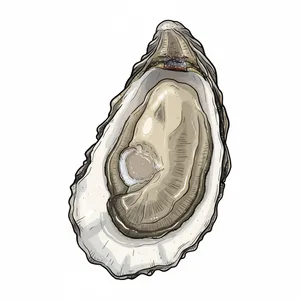
Matunuck
US East CoastA balanced Rhode Island oyster from Potter Pond. Crisp and briny with a subtle salinity, balanced by mild sweetness and a clean finish. Slowly grown over 3-5 years for exceptional quality.
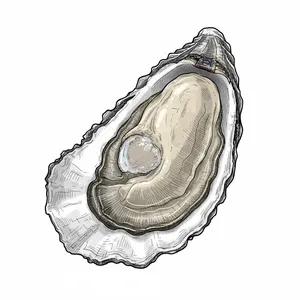
Dennis
US East CoastCape Cod Bay oyster from South Dennis, Massachusetts. Plump meat with high brininess balanced by sweetness. Three years of growth in pristine open ocean waters create a rich, clean, and savory flavor profile.
Learn More
The Big Five: A Complete Guide to Commercial Oyster Species
Comprehensive guide to C. virginica (Atlantic), C. gigas (Pacific), C. sikamea (Kumamoto), O. lurida (Olympia), and O. edulis (European Flat)
Read article → Biology & SpeciesThe Atlantic Oyster (C. virginica): From Maritime Brine to Gulf Sweetness
Deep dive into America's indigenous East Coast oyster - flavor profiles, regional variations, and famous varieties
Read article → Merroir & EnvironmentWhat Is Merroir? How Water Shapes Oyster Flavor
Merroir is the marine version of terroir: how salinity, temperature, tides, and plankton in the growing water shape an oyster's flavor. The science, plus how to taste it.
Read article →