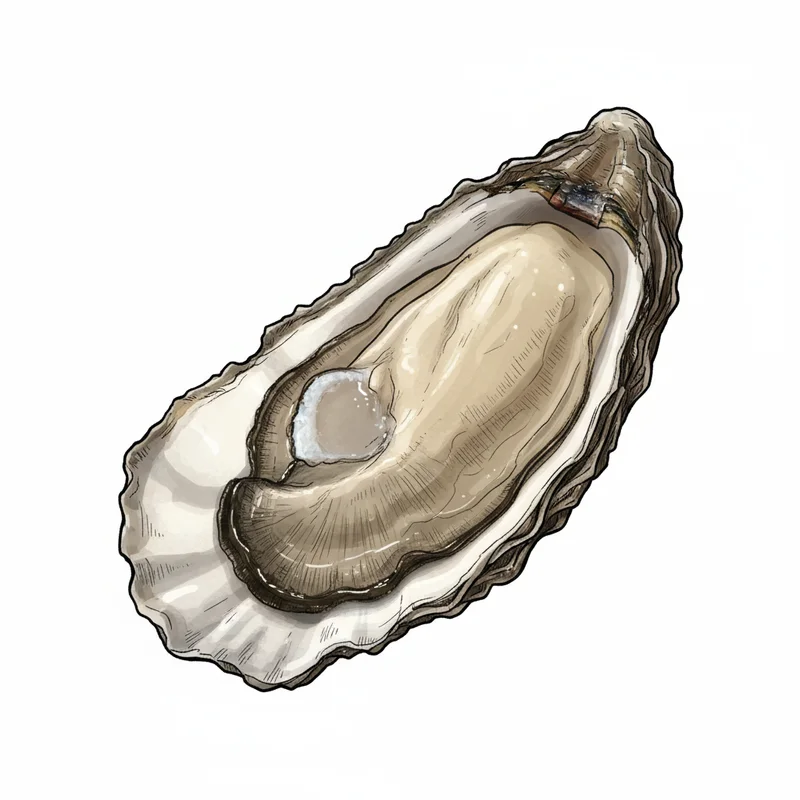
Little Wicomico
Crassostrea virginica
A balanced Virginia oyster with sweet, creamy meat and moderate brine. Sustainably farmed for four generations in the Little Wicomico River.
At a Glance
Little Wicomico is an Eastern oyster (Crassostrea virginica) from the US East Coast. It is moderately briny (3/5 brininess) and distinctly sweet (4/5 sweetness), with sweet, briny flavors and a finish that is sweet, creamy, balanced. It is considered a beginner-friendly oyster.
Flavor Profile
Finish
Sweet, creamy, balanced
Expert Notes
Little Wicomico oysters capture the unique terroir of Virginia's Little Wicomico River, offering a beautiful balance of brine and sweetness that shifts with the seasons. Fall and winter harvests showcase a firmer texture and richer brine from increased salinity, while spring brings a milder, sweeter profile. The creamy consistency and full-bodied flavor make these oysters exceptionally versatile for both raw enjoyment and cooking. Origin & Characteristics
- Species
- Crassostrea virginica
- Native to
- USA
- Grown in
- Little Wicomico River, Virginia, Chesapeake Bay
- Size
- Medium (3-5 inches)
- Shell Color
- Gray-brown
- Meat Color
- Cream
What Experts Say
Across 9 sources, tasters describe this oyster as:
Unique notes: earthy, fruity, vegetal, tangy, crisp
"These oysters are renowned for their sweet and buttery taste, with a clean briny finish."
sweetbutterybrinyclean
"Blackberry® Oysters - Flavor profile: sweet & earthy."
sweetearthy
"Peachtree Oysters - Flavor profile: Buttery while providing a balance of salty & sweet."
butterysaltysweet
"Rock Hole Oysters - Flavor profile: Salty with a touch of vegetal flavor"
saltyvegetal
"Smith Point Oysters - Flavor profile: Tangy with a strong finish."
tangy
"These oysters offer a unique combination of medium salinity, sweetness, and fruity undertones. They have a distinctive buttery taste. The strong finish sets them apart."
sweetbutteryfruity
"I have recently been enjoying Blackberry oysters from the Little Wicomico Oyster Company in Heathsville, VA. I find these sweet little jewels at none other than my local Safeway"
sweet
"Blackberry® Reserve Oysters, harvested from Virginia's Little Wicomico River, are a seasonal delight available from October to March. Their sweet, buttery taste with a crisp, briny finish makes them ideal for raw consumption."
sweetbutterycrispbriny
About the Farm
Little Wicomico Oyster Company, LLC
Myles Cockrell is the 4th Generation of the Little Wicomico Oyster Farm and current owner and operator. His ancestors came to this part of Virginia in the 1650s, making a living from the waters of the Little Wicomico River.
- Cultivation Method
- bottom culture
History & Background
The Little Wicomico Oyster Company has been cultivating oysters in the pristine waters of Virginia's Little Wicomico River for over four generations, with Myles Cockrell's ancestors arriving in the area in the 1650s.
The farm proudly cultivates premium oysters in the Chesapeake Bay waters that are as rich in history as they are in nutrients, representing a multi-generational Virginia watermen tradition.
Did You Know?
- Myles Cockrell, the current owner, is 41 years old and has been growing oysters for about 15 years
- The farm produces multiple oyster varieties including Blackberry®, Peachtree, Smith Point, and Rock Hole oysters, each with distinct flavor profiles from different cultivation sites in the Little Wicomico River system
Sources & References
This information was compiled from 9 sources.
- Our Farm & Family — Little Wicomico Oyster Company
- Savor The Flavor Of The Chesapeake Bay — Little Wicomico Oyster Company
- Blackberry Oysters — The Oyster Encyclopedia
- Peachtree Oysters — The Oyster Encyclopedia
- In Search of the Perfect Oyster — PropTalk
- Essential Guide to Virginia Oyster Varieties — Little Wicomico Oyster Company
- Rock Hole Oysters — The Oyster Encyclopedia
- How Seasons Shape Oyster Flavor — Little Wicomico Oyster Company
- Virginia Oyster Growers — NOAA Sea Grant
Similar Oysters
Barnstable
US East CoastA classic Cape Cod Bay oyster from historic Barnstable Harbor. Sweet and nutty with firm, crunchy texture, balanced brine, and a distinctive lobster-stock finish reminiscent of a New England clambake.
Cedar Island Select
US East CoastA flagship North Carolina oyster from Cedar Island Bay's pristine waters. Large and deep-cupped with balanced brininess and a distinctive sweet, buttery finish. Sustainably farmed in floating cages.
Chadwick Creek
US East CoastDelicate and buttery North Carolina oyster from Pamlico Sound. Deep-cupped with bright white shells, featuring a sweet finish and balanced brininess. Cultivated in off-bottom cages.
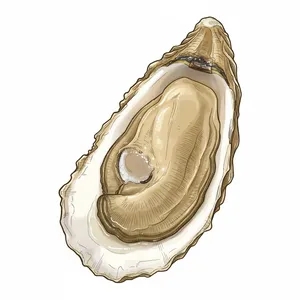
East Beach Blonde
US East CoastFarmed in floating cages in Ninigret Pond, Rhode Island. Distinguished by pale golden shells and creamy, golden flesh with a sophisticated flavor profile featuring strong initial brine, distinctive buttery notes, and a delicate sweet finish.
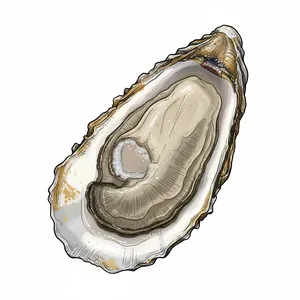
Ninigret Cup
US East CoastRhode Island oyster from Ninigret Pond. Medium-sized with a deep cup, featuring subtle brine, sweet buttery notes, and a distinctively thick creamy finish. Raised in cages then bottom-planted for strength.
Learn More
The Big Five: A Complete Guide to Commercial Oyster Species
Comprehensive guide to C. virginica (Atlantic), C. gigas (Pacific), C. sikamea (Kumamoto), O. lurida (Olympia), and O. edulis (European Flat)
Read article → Biology & SpeciesThe Atlantic Oyster (C. virginica): From Maritime Brine to Gulf Sweetness
Deep dive into America's indigenous East Coast oyster - flavor profiles, regional variations, and famous varieties
Read article → Merroir & EnvironmentWhat Is Merroir? How Water Shapes Oyster Flavor
Merroir is the marine version of terroir: how salinity, temperature, tides, and plankton in the growing water shape an oyster's flavor. The science, plus how to taste it.
Read article →