Malaspina
Crassostrea gigas
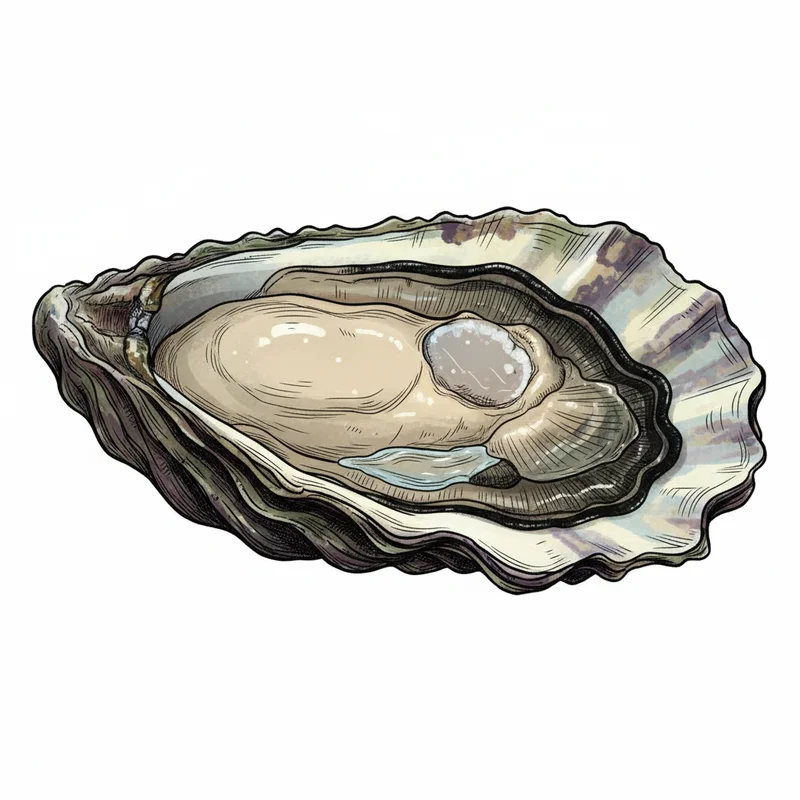
Hardy beach-grown Pacific oyster from Malaspina Inlet, Vancouver Island. Firm and plump with a crisp, briny flavor and distinctive cucumber-like finish. Rugged shells and dark mantle from extreme tidal conditioning.
At a Glance
Malaspina is a Pacific oyster (Crassostrea gigas) from the Canada West Coast. It is notably briny (4/5 brininess) and subtly sweet (2/5 sweetness), with briny, crisp flavors and a finish that is fresh, clean cucumber-like finish with a sweet note.
Flavor Profile
Finish
Fresh, clean cucumber-like finish with a sweet note
Expert Notes
Malaspina oysters are hardy beach-grown oysters cultivated on the gravel shores of Malaspina Inlet, where they endure tidal swings of more than sixteen feet. This rugged conditioning produces an extremely hardy oyster with a distinctive dark mantle. The meat is firm and plump with a crisp, briny flavor that leaves a fresh, cucumber-like aftertaste. The intense brininess is balanced by a mild sweetness, making them potent yet accessible. Origin & Characteristics
- Species
- Crassostrea gigas
- Native to
- Japan
- Grown in
- Malaspina Inlet, Vancouver Island, British Columbia
- Size
- Medium (3-3.5 inches)
- Shell Color
- Rugged, fluted
- Meat Color
- Plump with dark mantle
What Experts Say
Across 8 sources, tasters describe this oyster as:
Unique notes: watermelon, metallic, buttery
"Mild, sweet flavor with a notable watermelon undertone. This combination of sweetness and saltiness, along with the unique watermelon undertone, sets them apart from other Pacific Northwest oysters."
mildsweetwatermelonsalty
"A firm oyster that is very salty and mildly sweet. It has a very pronounced cucumber finish. The shell is thick with a deep cup."
firmsaltymildly sweetcucumberpronounced finish
"This bright, briny and light oyster fit snug within its long and slender shell. The meat wasn't super plump, but it had a potent sweet and metallic flavor. The brininess was not overwhelming."
brightbrinylightsweetmetallic
"Plump oysters with tender meat. The shell life is reduced because the oysters are not used to fighting the tides and having to clamp shut for hours at a time every day as the tides ebb and flow."
plumptender
"Smooth buttery texture and abundant slightly salty, sweet flavor."
smoothbutteryslightly saltysweetabundant
About the Farm
Grown about 150 miles north of the city of Vancouver, British Columbia in an isolated part of Canada's west coast in Malaspina Inlet, Vancouver Island. The only human population to speak of is that of the oyster farmers themselves.
- Cultivation Method
- beach culture
History & Background
Named after Malaspina Inlet on Vancouver Island, British Columbia, where these oysters are cultivated in the pristine, remote waters of the Sunshine Coast.
These oysters are subject to extreme tidal swings of more than sixteen feet, which produces rugged conditioning and an extremely hardy oyster. The region is virtually unpopulated except for oyster farmers.
Did You Know?
- The rugged tidal conditioning creates oysters with thick shells and deep cups
- Grown in one of the most isolated and pristine parts of Canada's west coast
- The extreme tidal range of 16+ feet makes these oysters exceptionally hardy
Sources & References
This information was compiled from 8 sources.
- Malaspina Oysters - The Oyster Encyclopedia — oysterencyclopedia.com
- Malaspina Oysters - Chefs Resources — chefs-resources.com
- All the Oysters- What's What, Where They're From, and How They Taste — cookingdistrict.com
- Oyster Tasting Log - Peek & Eat — peekandeat.blogspot.com
- LIVE OYSTERS - Fortune Fish & Gourmet — fortunefishco.net
- Malaspina Oyster - Marinelli Shellfish — marinellishellfish.com
- British Columbia - The Oyster Guide — oysterguide.com
- Oysters - DiCarlo Seafood — dicarloseafood.com
Similar Oysters
Royal Courtesan
Canada West CoastBeach-raised Pacific oyster from Cortes Island, BC. Bold, briny, and metallic with robust mineral intensity and a strong, clean finish. Cultivated by renowned oyster farmer Brent Petkau.
Satori
Canada West CoastPacific oyster from British Columbia cultivated using deep water start, tumbling, and beach methods. Medium brininess with fresh, clean taste and distinctive cucumber finish.
Sinku
Canada West CoastDeep-water suspended Pacific oyster from British Columbia. Clean and briny with a mild, cold milk taste and no vegetal notes. Crisp texture from cold-water cultivation at 15-40 feet depth.
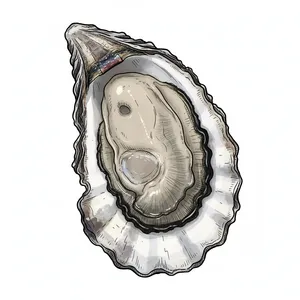
Dabob Bay
US West CoastIntertidal beach-grown Pacific oyster from the pristine waters of Hood Canal's Dabob Bay. Light and crisp with pronounced brininess from slow growth in cold, nutrient-limited waters. Firm meat with a clean, sweet finish.
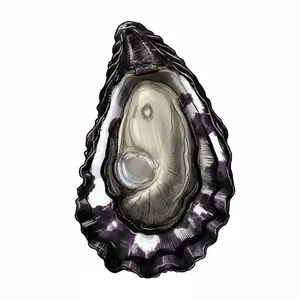
Penn Cove Select
US West CoastThe definitive Pacific Northwest oyster with stunning black and purple shells. Beach-raised in Samish Bay and finished in Penn Cove, these award-winning oysters deliver firm meats, bright brininess, and a distinctive crisp cucumber finish.
Learn More
The Big Five: A Complete Guide to Commercial Oyster Species
Comprehensive guide to C. virginica (Atlantic), C. gigas (Pacific), C. sikamea (Kumamoto), O. lurida (Olympia), and O. edulis (European Flat)
Read article → Biology & SpeciesThe Pacific Oyster (C. gigas): Cream, Cucumber, and the Japanese Legacy
Understanding the world's most cultivated oyster - from Japanese origins to West Coast dominance
Read article → Merroir & EnvironmentWhat Is Merroir? How Water Shapes Oyster Flavor
Merroir is the marine version of terroir: how salinity, temperature, tides, and plankton in the growing water shape an oyster's flavor. The science, plus how to taste it.
Read article →