
Marenne
Crassostrea gigas
A refined French oyster from the famous Marennes-Oléron basin. Mild, sweet, and creamy with a subtle nutty flavor and firm texture.
At a Glance
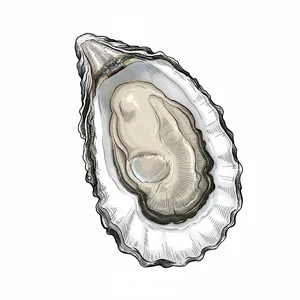
Marenne is a Pacific oyster (Crassostrea gigas) from France. It is mildly briny (2/5 brininess) and distinctly sweet (4/5 sweetness), with sweet, mild flavors and a finish that is smooth, sweet, with a delicate aftertaste. It is considered a beginner-friendly oyster.
Flavor Profile
Finish
Smooth, sweet, with a delicate aftertaste
Expert Notes
Marenne oysters are refined in claires (oyster ponds) in the Marennes-Oléron region, giving them their characteristic mild sweetness and creamy texture. The slight green tinge from the Navicule bleue algae adds a subtle nutty flavor. These oysters are less briny than typical Atlantic varieties, making them approachable while maintaining a firm, satisfying texture. Origin & Characteristics
- Species
- Crassostrea gigas
- Native to
- France
- Grown in
- Marennes-Oléron basin, Charente-Maritime, Seudre River estuary
- Size
- Medium (2.5-3.5 inches)
- Shell Color
- Gray-green with slight green tinge
- Meat Color
- Light green-gray
What Experts Say
Across 10 sources, tasters describe this oyster as:
Unique notes: dried fruit, sea savour, precise, distinguished, lean
"These can be found at pretty much every oyster bar in France. They are the standard go-to, and it's a strong standard. The ones I've had have been a bit lean and green, more like an American oyster than their more pampered siblings in Marenne. Quality is remarkably consistent."
leangreenconsistent
"Really is hard to beat these. Many, I know, prefer Speciales, but I find their taste a little muddy. These fines de claires have such a precise and distinguished taste. And, if you're here in France, you can get them just about anywhere or anytime you want."
precisedistinguished
"Marenne oysters are renowned for their sweet, juicy flavor with a hint of dried fruit and a delicate mineral finish. Their taste is enhanced by the blue navicule algae in the local water."
sweetjuicydried fruitmineraldelicate
"Tasting excellent in Paris in April 2024. These were heavy for their size and quite full inside, with deep cups and a lot of fat and sweetness. Really good. What's interesting is that even though they are Pacific oysters, they have none of the cucumbery notes of West Coast oysters. Instead, they are intensely mineral on the finish–more like an East Coast oyster."
sweetfatmineralfull
"Since February 2009, Marennes Oléron Oysters have benefited from a P.G.I. (Protected Geographical Indication) and the oysters finished in the Claires of the Marennes Oléron basin -imparted with the subtle flavors of the terroir."
subtleterroir
"The Fine de Claires which accomplishes a stay of several weeks out of basin is an small oyster with a sea savour quite marked. The Spéciale de Claires is preselected for its round and regular form and its thickness has a firmer flesh and a fine and balanced savour."
sea savourmarkedfirmfinebalanced
About the Farm
Marennes-Oléron Basin Producers
Est. 1850sIn the middle of the 19th century, when the salt producing marshes became obsolete and were reclaimed, the modern history of the Marennes Oléron oyster truly begins. The Charente and Seude Rivers empty their fresh waters out over the ancient salt beds creating unique conditions for oyster finishing.
- Cultivation Method
- salt pond
- Certifications
- PGI (Protected Geographical Indication)
History & Background
The Marennes-Oléron region has been producing oysters since ancient times, but modern cultivation began in the mid-19th century when obsolete salt marshes were converted into claires (rectangular salt ponds). In 2009, Marennes Oléron Oysters received PGI (Protected Geographical Indication) status, recognizing their unique terroir and traditional production methods.
Called the 'Queen of the French Coasts' in Parisian restaurants, these oysters are the standard at virtually every oyster bar in France. The region is the largest oyster-producing area in the world.
Did You Know?
- Oyster gills turn green in winter when they feed on blue navicule algae (Haslea ostrearia) in the claires
- The Green Gill phenomenon is considered a seasonal delicacy and indicator of premium quality
- Gillardeau oysters from this region are laser-engraved to prevent counterfeiting
- The claire finishing process takes a minimum of one month and can extend to 4-8 months for premium grades
Sources & References
This information was compiled from 10 sources.
- Fine de Claire Oyster — Oysterater
- Gillardeau Oyster — Oysterater
- A Taste of the Sea — Vindochine
- Marennes Oléron Institutional Brochure — Huitres Marennes Oléron
- Oyster Gift Ideas 2018 — Oyster Guide
- Oyster marenne d'oléron fish, shellfish french gastronomy — AFTouch Cuisine
- Cocollos Oysters, methods and business — Huitres Cocollos
- Premium French Fresh Air-Flown Gillardeau Oysters — Seafood.my
- The Art of Eating Oysters in France — Taste France Magazine
- The best oysters to buy for New Year's Eve. With expert advice — Gambero Rosso International
Similar Oysters
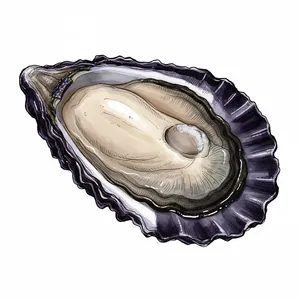
Stellar Bay
Canada West CoastA tumbled Pacific oyster from British Columbia with a smooth, deep purple-black shell. Abundantly meaty with a mild, clean flavor featuring subtle sweetness and a melon-like finish.
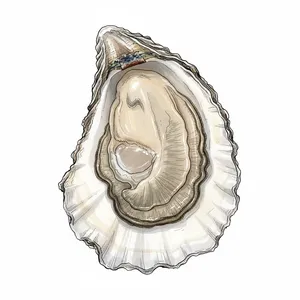
Westcott Bay
US West CoastOriginal 'astronaut oysters' from San Juan Island. Delicate, sweet, and creamy with fine shells. Suspension-grown to never touch the bottom, creating exceptionally light texture and mild flavor.
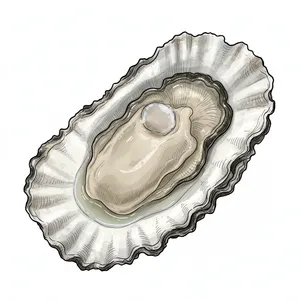
Phantom Creek
Canada West CoastA mild, sweet Pacific oyster from Cortes Island, BC. Grown using a unique suspension-to-beach method for firmer meats and stronger shells. Clean finish with delicate brininess.
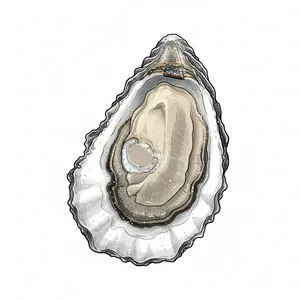
Barron Point
US West CoastHand-sized Pacific oyster from Little Skookum Inlet in southern Puget Sound. Sweet and mildly salty with plump, tender meat and a distinctive musky finish. A well-balanced West Coast favorite.
Henderson Inlet
US West CoastA community-farmed Puget Sound oyster from a restored watershed. Small and plump with sweet, buttery meat, light salinity, and a distinctive cucumber-earthy finish. All proceeds support water quality restoration.
Learn More
The Big Five: A Complete Guide to Commercial Oyster Species
Comprehensive guide to C. virginica (Atlantic), C. gigas (Pacific), C. sikamea (Kumamoto), O. lurida (Olympia), and O. edulis (European Flat)
Read article → Biology & SpeciesThe Pacific Oyster (C. gigas): Cream, Cucumber, and the Japanese Legacy
Understanding the world's most cultivated oyster - from Japanese origins to West Coast dominance
Read article → Merroir & EnvironmentWhat Is Merroir? How Water Shapes Oyster Flavor
Merroir is the marine version of terroir: how salinity, temperature, tides, and plankton in the growing water shape an oyster's flavor. The science, plus how to taste it.
Read article →