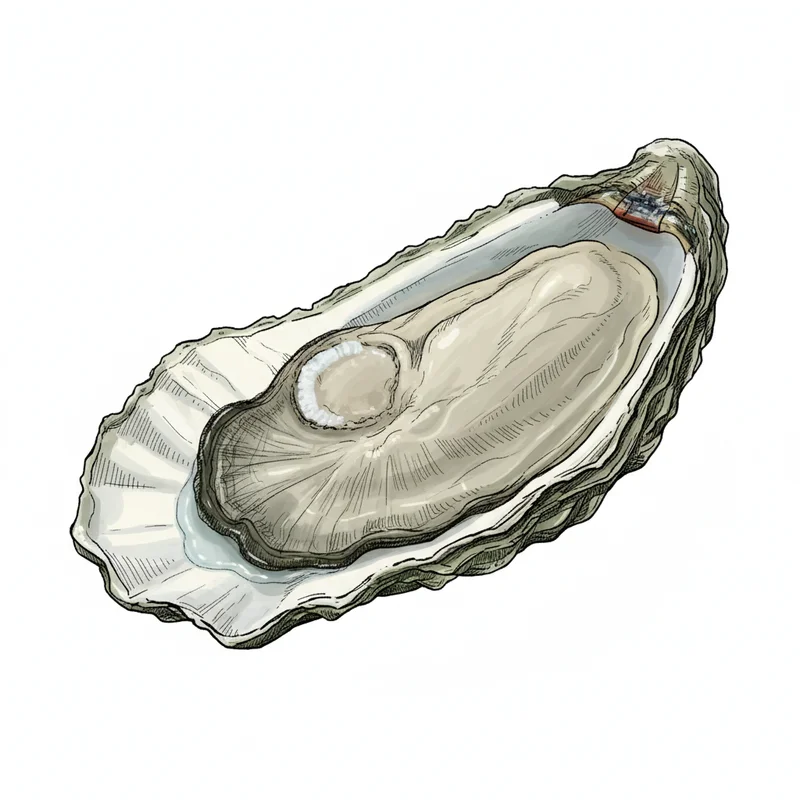
Martha's Vineyard
Crassostrea virginica
A bold island oyster from Martha's Vineyard, Massachusetts. Large and deep-cupped with an intense briny hit, smooth creamy body, and sweet finish. Known for plumpness and abundant liquor.
At a Glance
Martha's Vineyard is an Eastern oyster (Crassostrea virginica) from the US East Coast. It is notably briny (4/5 brininess) and moderately sweet (3/5 sweetness), with briny, sweet flavors and a finish that is sweet, smooth, with lingering creaminess.
Flavor Profile
Finish
Sweet, smooth, with lingering creaminess
Expert Notes
Martha's Vineyard oysters deliver a powerful briny blast characteristic of island oysters, followed by a smooth, creamy body and a distinctly sweet finish. Both wild and farmed varieties exist under this appellation—wild oysters tend to be larger with gnarly sage-green shells and a mild seaweed flavor, while farmed oysters are younger, cleaner, and slightly milder. Those grown in salt ponds can be less briny than bay-grown specimens, though all showcase the mineral-rich waters of the terminal moraine region. Origin & Characteristics
- Species
- Crassostrea virginica
- Native to
- USA
- Grown in
- Katama Bay, Edgartown, Massachusetts, Menemsha Pond, Chilmark, Massachusetts, Edgartown Great Pond, Massachusetts
- Size
- Large (3-4.5 inches)
- Shell Color
- White to sage-green
- Meat Color
- Cream to light gray
What Experts Say
Across 8 sources, tasters describe this oyster as:
Unique notes: roasted sweet potato, caper-like, seaweed, vegetal, sweet-cream roundness
"Both wild and farmed oysters appear under the appellation Martha's Vineyard, so it can be hard to generalize. I've had some Martha's Vineyards that were on the salty side, typical for an island oyster, and others that were nearly saltless, though big and creamy with glycogen. The ones nestled in the salt ponds—often in bottom cages—can be less briny than those out on the bays. A wild MV oyster tends to be about three years old at harvest, at least three inches in size, with a gnarly sage-green shell, a huge adductor muscle from all the working out, and a mild, clean seaweed flavor no doubt deriving from life on the bottom. Farmed oysters are a bit younger, cleaner, and milder."
saltycreamymildcleanseaweed
"Wild Martha's Vineyard Oysters have creamy meats with a clean seaweed flavor and inconsistent brininess from mild to strong. Cultivated Martha's Vineyard Oysters have creamy meats."
creamycleanseaweedbriny
"Extremely plump and full of liquor. Mild and smooth."
mildsmoothplump
"These oysters are bright, salty and pleasant—just like a trip to the Vineyard! We get an intense saltiness up front (almost like biting into a caper!), that mellows into vegetal notes and a roasted sweet potato finish."
brightsaltyintensevegetalsweet potato
"The flavor profile is very sweet with a medium salt content. The finish is soft, clean and has a pronounced sweet-cream roundness."
sweetmedium saltsoftcleancreamy
"Known for their plumpness and abundance of liquor, they are a true delight for oyster enthusiasts. They have a mild and smooth taste pleasing to the palate."
mildsmoothplump
About the Farm
Multiple farms including Signature Oyster Farm, Spearpoint Oyster Farm, Cottage City Oysters, Sweet Neck Oysters
Est. 1995Oyster farming on Martha's Vineyard was originally started in 1995 to help fishermen who were challenged by depleted fish and shellfish populations. The Martha's Vineyard Shellfish Group launched the MV Public Shellfish Hatchery, and the industry has grown significantly since then with multiple family-run farms across the island.
- Cultivation Method
- rack and bag
History & Background
Oyster farming on Martha's Vineyard began in 1995 when The Martha's Vineyard Shellfish Group launched the MV Public Shellfish Hatchery to help local fishermen facing depleted fish and shellfish populations. The industry has grown from its conservation roots into a thriving aquaculture community.
Martha's Vineyard oysters are harvested both wild and farmed, with farms typically 1 to 4 acres in size leased from the town. The island's oyster farms use environmentally sustainable methods and have become an integral part of the local economy and culinary identity.
Did You Know?
- Wild Martha's Vineyard oysters tend to be about three years old at harvest with huge adductor muscles from working out in the currents
- Ryan Smith's Signature Oyster Farm uses machinery powered almost entirely by wind or tide
- Katama Bay oysters are grown in some of the deepest, strongest water flow areas, allowing them to feed 24 hours a day
Sources & References
This information was compiled from 8 sources.
- Martha's Vineyard - The Oyster Guide — oysterguide.com
- Martha's Vineyard Oysters — chefs-resources.com
- Martha's Vineyard Oyster - Oysterology Online — pangeashellfish.com
- Katama Signature Oysters from Edgartown, Martha's Vineyard — islandcreekoysters.com
- Oysters - East Coast - Katama Bay — fortunefishco.net
- Shellebrating Oyster Farming on Martha's Vineyard — pointbrealty.com
- Martha's Vineyard Oysters - The Oyster Encyclopedia — oysterencyclopedia.com
- Martha's Vineyard Spearpoint Oysters — mvspearpoints.com
Similar Oysters
Nonesuch
US East CoastBottom-planted Maine oyster from the Scarborough River nature conservancy. Known for distinctive moss-green shells and hearty meat with a fantastic balance of brine and sweetness, finishing with unique bitter green olive notes and silky texture.
Pleasant Bay
US East CoastA deeply-cupped Cape Cod oyster from the pristine waters of Pleasant Bay in Orleans, Massachusetts. Classic Atlantic brininess with a buttery texture, crisp clean flavor, and sweet finish. Rack and bag cultivated for three years.
Blue Point (Great South Bay)
US East CoastThe legendary Blue Point oyster, restored to its original Great South Bay home. Full-salt brininess with sweet honeydew finish and distinctive pine and anise notes. A historic American favorite since the 1820s.
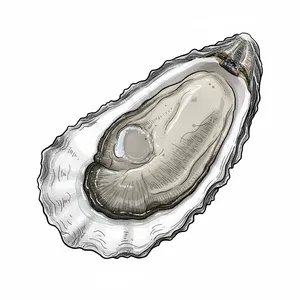
Broadwater
US East CoastA Virginia oyster grown in Chesapeake waters and finished on the Atlantic side for enhanced salinity. Plump, smooth meat with lively brininess and complex flavor that sets it apart from typical Chesapeake oysters.
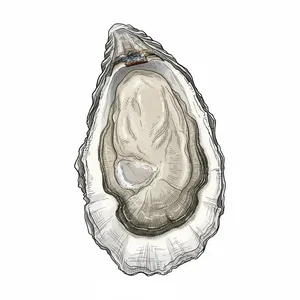
Bulls Bay
US East CoastHistoric South Carolina oyster from Bulls Bay. Large and meaty with a firm texture, pronounced briny flavor, and distinctive sweet finish. Shaped by high salinity coastal waters with peak flavor in colder months.
Learn More
The Big Five: A Complete Guide to Commercial Oyster Species
Comprehensive guide to C. virginica (Atlantic), C. gigas (Pacific), C. sikamea (Kumamoto), O. lurida (Olympia), and O. edulis (European Flat)
Read article → Biology & SpeciesThe Atlantic Oyster (C. virginica): From Maritime Brine to Gulf Sweetness
Deep dive into America's indigenous East Coast oyster - flavor profiles, regional variations, and famous varieties
Read article → Merroir & EnvironmentWhat Is Merroir? How Water Shapes Oyster Flavor
Merroir is the marine version of terroir: how salinity, temperature, tides, and plankton in the growing water shape an oyster's flavor. The science, plus how to taste it.
Read article →