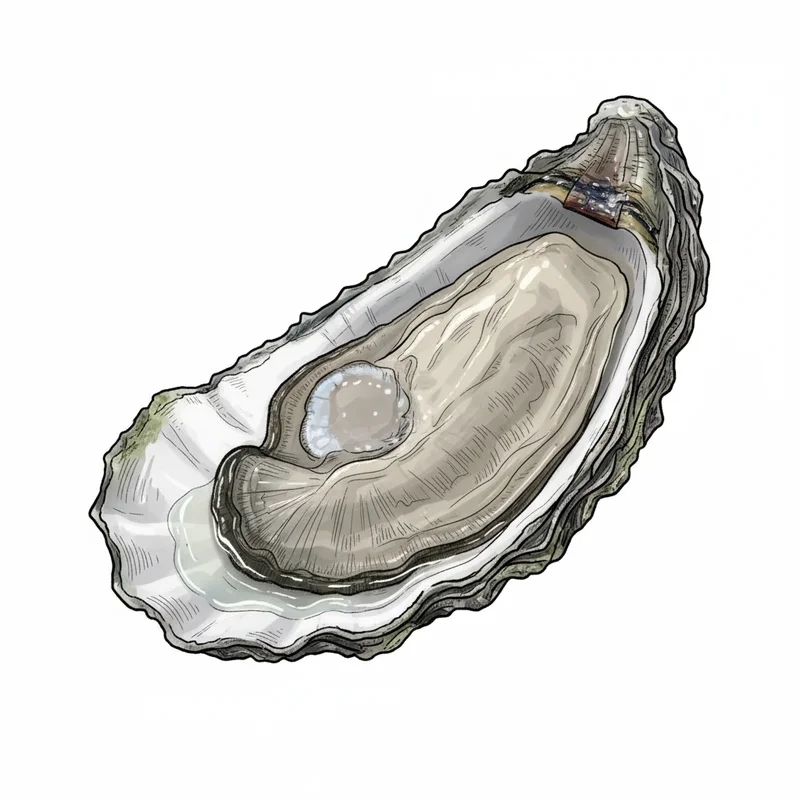
Mystic
Crassostrea virginica
Bottom-planted Connecticut oyster from the Mystic River. Firm, meaty texture with intense brininess from high salinity waters, finishing with a distinctive sweet note. Thick, irregular shells house a robust flavor.
At a Glance
Mystic is an Eastern oyster (Crassostrea virginica) from the US East Coast. It is notably briny (4/5 brininess) and moderately sweet (3/5 sweetness), with briny, sweet flavors and a finish that is sweet, clean finish.
Flavor Profile
Finish
Sweet, clean finish
Expert Notes
Mystic oysters are cultivated in the pristine waters where the Mystic River meets Fisher's Island Sound, creating an ideal environment that produces their signature intense salinity and sweet finish. Bottom-planted in sandy beds with strong currents from Long Island and Block Island Sounds, these oysters develop firm, meaty bodies with thick shells. The marriage of freshwater from upstream tributaries and saltwater from the Atlantic delivers a distinctive briny punch upfront that transitions to a pleasantly sweet finish, making them a robust yet accessible choice. Origin & Characteristics
- Species
- Crassostrea virginica
- Native to
- USA
- Grown in
- Mystic River, Connecticut, Fisher's Island Sound, Eastern Long Island Sound
- Size
- Medium to Large (3-4 inches)
- Shell Color
- Gray-white with thick, irregular shells
- Meat Color
- Cream to light gray
What Experts Say
Across 10 sources, tasters describe this oyster as:
Unique notes: flinty, melon, spruce-lined, creamy
"Like a spruce-lined snowscape, the green and white ridges of Mystic oysters scream winter in New England to me. The salt is just right—enough so you notice, but not so much that you're immediately casting about for liquid relief—and the sweetness lingers. They peak in November and December, but are at their next best in June and July—pre-spawn. Some people get turned off by an oyster with full gonad tissue. I myself find them delicious… rich and creamy tasting."
saltysweetrichcreamy
"The Mystic oysters coming out of the Noank River right now are amazingly robust. In just two years, these babies have reached maximum-half-shell size. You have to stay focused to eat them raw. Their flavor is equally massive: briny, mineral, and more metallic than in the past. Serious, graduate-level oysters."
brinymineralmetallicrobust
"A favorite among connoisseurs, Mystic oysters are prized for their sweet, buttery flavor balanced with a hint of brine."
sweetbutterybriny
"A gentle brine with springy meats and a flinty finish."
brinyflintyspringy
"Fairly large, very briny, pretty buttery. Probably one of my preferred Connecticut oysters."
brinybuttery
"The oysters were cold, shucked perfectly (no pieces of shell), and were the perfect match of briny and sweet."
brinysweet
"These lovely oysters are grown in Fisher Island off the Connecticut coast. They hit you with a splash of sweetness, followed by mild brine with hints of melon and a clean finish."
sweetbrinymelonclean
About the Farm
Mystic Oysters / Noank Aquaculture Cooperative
Est. 1975Founded by Jim and Karen Rivera, Mystic Oysters has been pioneering cultured oyster farming since 1975. The operation begins at Karen Rivera's hatchery in Southold, NY, before oysters are moved to the nutrient-rich waters of the Mystic River estuary and Noank River in Connecticut.
- Cultivation Method
- bottom culture
History & Background
Mystic oysters have been part of Connecticut's rich aquaculture tradition dating back to the 19th century. The region's oyster industry was historically centered in coastal towns like Mystic, Noank, and Stonington. By the early 18th century, overfishing had decimated oyster populations, necessitating regulation of Connecticut oyster harvesting.
Grown in Fisher Island Sound where the Noank River converges with currents from Long Island Sound and Block Island Sound. The distinctive scalloped shape comes from strong tides ripping over shallow-planted oysters. Connecticut currently maintains 76,000 acres of productive oyster beds.
Did You Know?
- The distinctive green and white ridged shells have been described as looking like 'a spruce-lined snowscape'
- Grower Steve Plant considers them at their best in November-December and again in June-July (pre-spawn)
- In just two years these oysters can reach maximum half-shell size due to the strong currents and upwelling at planting sites
Sources & References
This information was compiled from 10 sources.
- Mystic - The Oyster Guide — oysterguide.com
- Monster Mystics and Jupiter Points - The Oyster Guide — oysterguide.com
- Connecticut Oysters: Your Ultimate Guide — sherwoodislandoysters.com
- Mystic Oyster - Oysterology Online — pangeashellfish.com
- Mystic - Oysterater — oysterater.com
- Mystic Oysters — visitmystic.info
- What We Do - Mystic Oysters — mysticoysters.com
- Live Oysters - Fortune Fish & Gourmet — fortunefishco.net
- Mystic Oysters - The Oyster Encyclopedia — oysterencyclopedia.com
- The Story of Mystic Oysters — theladyoyster.com
Similar Oysters
Blue Point (Great South Bay)
US East CoastThe legendary Blue Point oyster, restored to its original Great South Bay home. Full-salt brininess with sweet honeydew finish and distinctive pine and anise notes. A historic American favorite since the 1820s.
Broadwater
US East CoastA Virginia oyster grown in Chesapeake waters and finished on the Atlantic side for enhanced salinity. Plump, smooth meat with lively brininess and complex flavor that sets it apart from typical Chesapeake oysters.
Bulls Bay
US East CoastHistoric South Carolina oyster from Bulls Bay. Large and meaty with a firm texture, pronounced briny flavor, and distinctive sweet finish. Shaped by high salinity coastal waters with peak flavor in colder months.
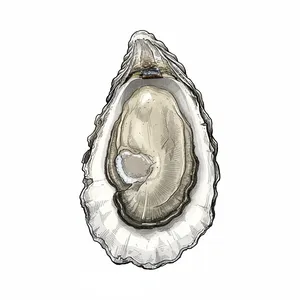
Fishers Island
US East CoastA distinctively bold, deep-cupped Atlantic oyster from Block Island Sound. Grown in suspended lantern nets by a family farm for over 40 years. Briny with focused savory notes, strikingly clean finish, and firm texture.
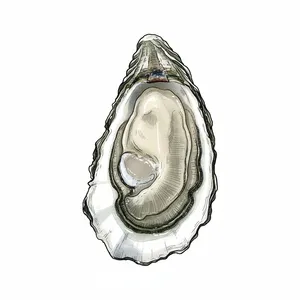
Glidden Point
US East CoastThe definitive Maine oyster from the Damariscotta River. Bottom-cultured in frigid waters, producing thick, heavy shells with deep cups and firm meats. Crisp and complex with pronounced brininess balanced by sweetness.
Learn More
The Big Five: A Complete Guide to Commercial Oyster Species
Comprehensive guide to C. virginica (Atlantic), C. gigas (Pacific), C. sikamea (Kumamoto), O. lurida (Olympia), and O. edulis (European Flat)
Read article → Biology & SpeciesThe Atlantic Oyster (C. virginica): From Maritime Brine to Gulf Sweetness
Deep dive into America's indigenous East Coast oyster - flavor profiles, regional variations, and famous varieties
Read article → Merroir & EnvironmentWhat Is Merroir? How Water Shapes Oyster Flavor
Merroir is the marine version of terroir: how salinity, temperature, tides, and plankton in the growing water shape an oyster's flavor. The science, plus how to taste it.
Read article →