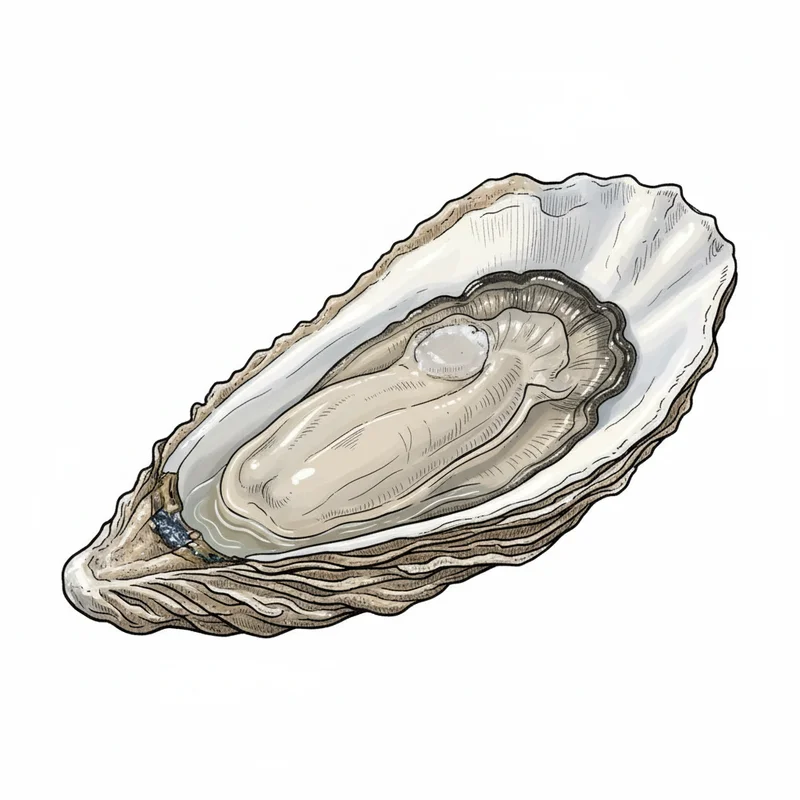
Ned's Island
Crassostrea virginica
Classic Long Island Sound oyster from Connecticut waters. Deep-cupped with lively brine and complex flavor from tawny algae. Citrusy notes balance the strong salinity with a fresh, clean finish.
At a Glance
Ned's Island is an Eastern oyster (Crassostrea virginica) from the US East Coast. It is notably briny (4/5 brininess) and moderately sweet (3/5 sweetness), with briny, sweet flavors and a finish that is fresh, clean, refined.
Flavor Profile
Finish
Fresh, clean, refined
Expert Notes
Ned's Island oysters embody the classic Bluepoint flavor profile from Long Island Sound with a lively 27-ppt brine. Grown in off-bottom cages, they develop access to tawny-colored algae that imparts a complex, layered flavor. The strong brininess is beautifully balanced with subtle citrusy notes and natural sweetness, creating a fresh, clean finish that showcases the best of Connecticut's oyster-rich waters. Origin & Characteristics
- Species
- Crassostrea virginica
- Native to
- USA
- Grown in
- Long Island Sound, Connecticut
- Size
- Medium to Large (3-4 inches)
- Shell Color
- Tawny-covered white
- Meat Color
- Light gray to cream
What Experts Say
Across 4 sources, tasters describe this oyster as:
Unique notes: tawny algae, Cabernet franc-like, crunchy
"Sweet (at least on this December evening, when, admittedly, most oysters are at their sweetest), perfectly briny, with a lingering, tannic, green pepper finish (almost like a Chinon or other Cabernet franc). They also have a nice crunch, which to me is essential to the pleasure of an oyster."
sweetbrinytannicgreen peppercrunchy
"They have access to a tawny-colored algae that covers the shells (very reminiscent of a Quonset Point) and gives them a complex flavor"
complextawny algae
"Wonderfully firm, briny flesh"
firmbriny
"Lively 27-ppt salt taste"
livelysalty
"Firm meat, complex sweet flavor, lively medium brininess, tannic, green peppery"
firmcomplexsweetmedium brininesstannic
"Fruity, mineral notes"
fruitymineral
About the Farm
Hillard Bloom Shellfish
Est. 1800sThe family-owned company that singlehandedly saved Long Island oystering and is synonymous with Bluepoints. Located in Norwalk, Connecticut.
- Cultivation Method
- off-bottom cages
History & Background
Named after Ned, an old Native American who lived alone on a small island on the Connecticut side of Long Island Sound. The waters off his island were thick with oysters. This is the fabled home of Bluepoints, which were originally from the Great South Bay on the southern coast of Long Island, but after those were wiped out in the 1800s Bluepoint production switched to Long Island Sound.
Bluepoints became the most popular oysters in the country, though the name is not trademarked and other regions began selling their oysters as Bluepoints, which did a disservice to the authentic Long Island Sound variety.
Did You Know?
- Ned's Island is a real, very small uninhabited island in Long Island Sound
- The oysters are started in a hatchery using local broodstock
- Any oysters that don't meet Ned's Island specs are culled, ensuring a deep-cupped, 3-4-inch oyster every time
- The tawny-colored algae that grows on the shells is similar to that found on Quonset Point oysters
Sources & References
This information was compiled from 4 sources.
- Ned's Island — The Oyster Guide
- Ned's Island — The Oyster Guide
- The Raw Oyster's Tasting Guide — The Raw Oyster
- Made In Connecticut: The Constitution State — State Gifts USA
Similar Oysters
Jupiter Point
US East CoastLarge, deep-cupped oyster from the Noank River in Connecticut. Highly briny with a sweet finish and wonderfully firm texture. A slightly lighter, more accessible cousin to the famous Mystic oyster.
Pemaquid
US East CoastA Maine institution. Large, powerful oysters with rock-hard shells, plump firm meats, and clean briny-sweet flavor with lemony zest.
Blue Point (Great South Bay)
US East CoastThe legendary Blue Point oyster, restored to its original Great South Bay home. Full-salt brininess with sweet honeydew finish and distinctive pine and anise notes. A historic American favorite since the 1820s.
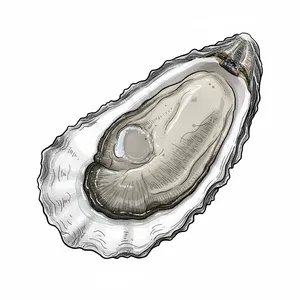
Broadwater
US East CoastA Virginia oyster grown in Chesapeake waters and finished on the Atlantic side for enhanced salinity. Plump, smooth meat with lively brininess and complex flavor that sets it apart from typical Chesapeake oysters.
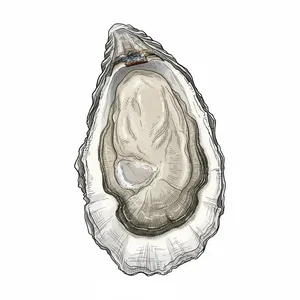
Bulls Bay
US East CoastHistoric South Carolina oyster from Bulls Bay. Large and meaty with a firm texture, pronounced briny flavor, and distinctive sweet finish. Shaped by high salinity coastal waters with peak flavor in colder months.
Learn More
The Big Five: A Complete Guide to Commercial Oyster Species
Comprehensive guide to C. virginica (Atlantic), C. gigas (Pacific), C. sikamea (Kumamoto), O. lurida (Olympia), and O. edulis (European Flat)
Read article → Biology & SpeciesThe Atlantic Oyster (C. virginica): From Maritime Brine to Gulf Sweetness
Deep dive into America's indigenous East Coast oyster - flavor profiles, regional variations, and famous varieties
Read article → Merroir & EnvironmentWhat Is Merroir? How Water Shapes Oyster Flavor
Merroir is the marine version of terroir: how salinity, temperature, tides, and plankton in the growing water shape an oyster's flavor. The science, plus how to taste it.
Read article →