
Ninigret Cup
Crassostrea virginica
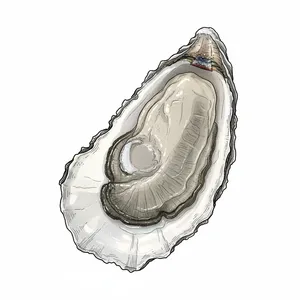
Rhode Island oyster from Ninigret Pond. Medium-sized with a deep cup, featuring subtle brine, sweet buttery notes, and a distinctively thick creamy finish. Raised in cages then bottom-planted for strength.
At a Glance
Ninigret Cup is an Eastern oyster (Crassostrea virginica) from the US East Coast. It is moderately briny (3/5 brininess) and moderately sweet (3/5 sweetness), with briny, buttery, sweet flavors and a finish that is thick, creamy, clean brine finish. It is considered a beginner-friendly oyster.
Flavor Profile
Finish
Thick, creamy, clean brine finish
Expert Notes
Ninigret Cup oysters are cultivated in the unique environment of Ninigret Pond, where ocean and brackish waters meet through a thin channel called the Breachway, creating daily temperature fluctuations of up to 10 degrees. Raised in cages until 2 inches, then bottom-planted to strengthen their shells, these oysters develop a subtle brine with a distinctively thick, buttery creaminess. The meats are meaty and silky smooth with a mineral-rich character and clean finish that reflects the pond's perfect mix of fresh and saltwater. Origin & Characteristics
- Species
- Crassostrea virginica
- Native to
- USA
- Grown in
- Ninigret Pond, Charlestown, Rhode Island
- Size
- Medium (2-3 inches)
- Shell Color
- Pale with golden accents
- Meat Color
- Plump, cream to light gray
What Experts Say
Across 6 sources, tasters describe this oyster as:
Unique notes: thick creamy finish, meaty
"Subtle brine with a thick creamy finish."
subtle brinecreamythick finish
"Meaty and salty with a nice finish. The deep cup provided for a good portion of liquor to accompany the meat."
meatysaltynice finish
"A terrific variety offering both consistency of size and shape as well as year round availability. Grown in the brackish waters of Ninigret Salt Pond."
consistentbrackish waters
"Ninigret Cup oysters offer both consistencies of size and shape as well as year round availability. Grown in the brackish waters of Ninigret Salt Pond in Charlestown, Rhode Island, these oysters have a subtle briny, buttery, nutty flavor."
subtle brinybutterynutty
"Subtle brine with a thick creamy finish."
subtle brinethickcreamy finish
About the Farm
Ninigret Oyster Farm
After earning a Bachelor's Degree in Environmental Science and Biology from Springfield College in Massachusetts, Rob Krause moved to Rhode Island with plans to start an oyster farm.
- Cultivation Method
- rack and bag
History & Background
Ninigret Pond is only a few feet deep, fed by several fresh springs, and protected by East Beach from the open ocean–all ideal for oyster cultivation. The pond has salinity ranging from 22-28 parts per thousand, with a bottom makeup of clay and hard packed sand.
Ninigret Cups and East Beach Blondes are grown in the same pond and share the same hatchery. These oysters are raised in cages until they are 2 inches long, then planted on the bottom to finish and strengthen their shells, and hand-harvested at low tide.
Did You Know?
- Available year-round with consistent size and shape
- Grown in brackish waters with some freshwater input
- Hand-harvested at low tide
Sources & References
This information was compiled from 6 sources.
- Ninigret Cup Oysters — Taylor Lobster
- Ninigret Cup Oyster — OysteRater
- All the Oysters- What's What, Where They're From, and How They Taste — Cooking District
- Oysters — Fortune Fish & Gourmet
- Ninigret Cups — Ocean State Oysters
- Ninigret Cup Oyster — Oysterology Online — Pangea Shellfish
Similar Oysters
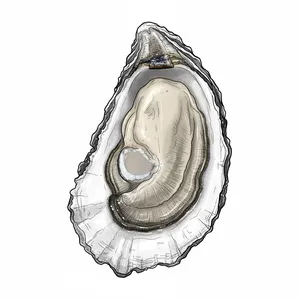
Cedar Island Select
US East CoastA flagship North Carolina oyster from Cedar Island Bay's pristine waters. Large and deep-cupped with balanced brininess and a distinctive sweet, buttery finish. Sustainably farmed in floating cages.
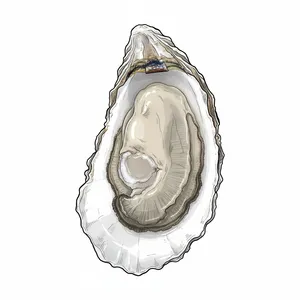
Chadwick Creek
US East CoastDelicate and buttery North Carolina oyster from Pamlico Sound. Deep-cupped with bright white shells, featuring a sweet finish and balanced brininess. Cultivated in off-bottom cages.
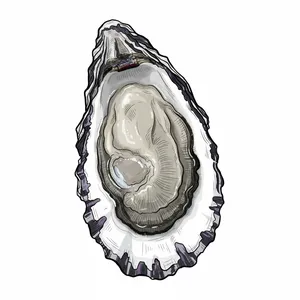
Duxbury
US East CoastA balanced New England classic. Plump and tender with harmonious briny-sweet flavor, buttery notes, and a clean finish.
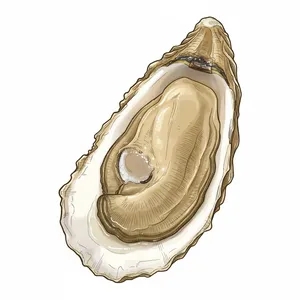
East Beach Blonde
US East CoastFarmed in floating cages in Ninigret Pond, Rhode Island. Distinguished by pale golden shells and creamy, golden flesh with a sophisticated flavor profile featuring strong initial brine, distinctive buttery notes, and a delicate sweet finish.
Norumbega
US East CoastRobust, meaty oysters from Maine's fabled Damariscotta River. Hand-harvested by scuba divers after 2-3 years bottom-planted. Sweet, buttery opening transitions to refreshing brininess with firm texture and beautiful deep cups.
Learn More
The Big Five: A Complete Guide to Commercial Oyster Species
Comprehensive guide to C. virginica (Atlantic), C. gigas (Pacific), C. sikamea (Kumamoto), O. lurida (Olympia), and O. edulis (European Flat)
Read article → Biology & SpeciesThe Atlantic Oyster (C. virginica): From Maritime Brine to Gulf Sweetness
Deep dive into America's indigenous East Coast oyster - flavor profiles, regional variations, and famous varieties
Read article → Merroir & EnvironmentWhat Is Merroir? How Water Shapes Oyster Flavor
Merroir is the marine version of terroir: how salinity, temperature, tides, and plankton in the growing water shape an oyster's flavor. The science, plus how to taste it.
Read article →