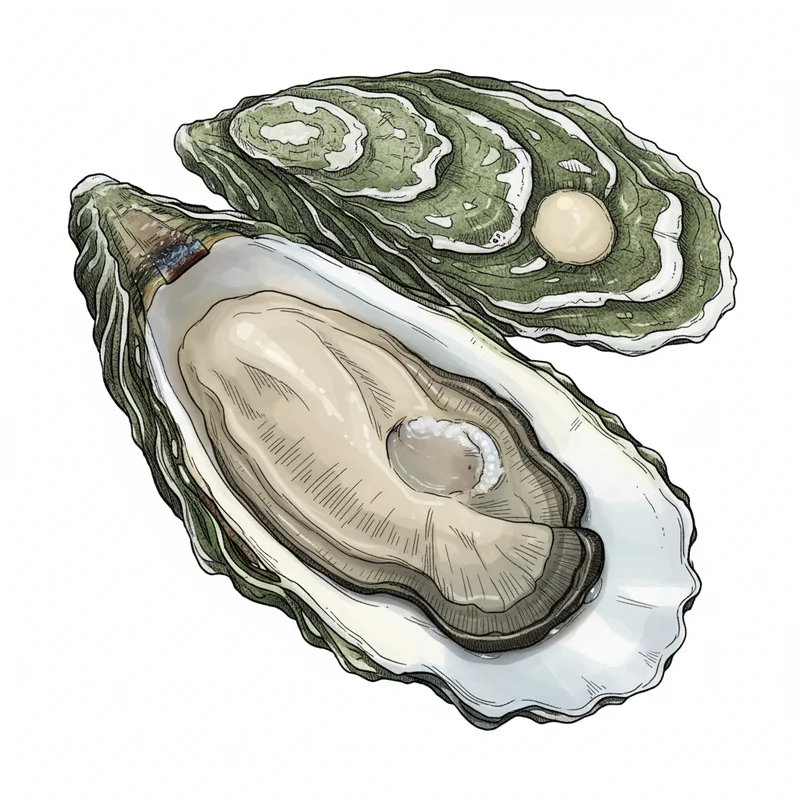
Nonesuch
Crassostrea virginica
Bottom-planted Maine oyster from the Scarborough River nature conservancy. Known for distinctive moss-green shells and hearty meat with a fantastic balance of brine and sweetness, finishing with unique bitter green olive notes and silky texture.
At a Glance
Nonesuch is an Eastern oyster (Crassostrea virginica) from the US East Coast. It is notably briny (4/5 brininess) and moderately sweet (3/5 sweetness), with briny, sweet, earthy flavors and a finish that is bitter green olive with sweet, malty notes.
Flavor Profile
Finish
Bitter green olive with sweet, malty notes
Expert Notes
Nonesuch oysters from Maine's Scarborough River deliver a distinctive flavor profile that sets them apart from classic Damariscotta oysters. Grown bottom-planted in mesh bags within a nature conservancy, these beautiful green-tinged oysters balance classic Maine brine with a unique finish featuring bitter green olive notes. The hearty, rich meat offers sweet, malty, grassy undertones reminiscent of a good beer, with hints of earth and a remarkably silky, smooth texture. Origin & Characteristics
- Species
- Crassostrea virginica
- Native to
- USA
- Grown in
- Scarborough River, Southern Maine
- Size
- Medium (3-4 inches)
- Shell Color
- Moss green with white growth rings
- Meat Color
- Light gray to cream
What Experts Say
Across 10 sources, tasters describe this oyster as:
Unique notes: sea-grass, cucumber, silky texture, moss green
"Hearty meat with a fantastic balance of brine and sweetness, finishing with unique bitter green olive notes and silky texture."
brinysweetbitter green olivesilky
"Classic Maine brine with a notably different taste than Damariscotta, particularly on the finish, which has a nice bitter green olive component."
brinybitter green olivemineral
"A blend of briny intensity with a hint of sweetness and cucumber-like crispness."
brinysweetcucumbercrisp
"Grown in mesh bags in shallow waters, offering a similar estuarial mix of salt and sweetness as other Maine varieties but with more pronounced brine and distinct notes of sea-grass."
brinysweetsea-grassmineral
"A balanced brine and sweetness with moss green shells."
brinysweetbalanced
"The mixture of salt and fresh water in the farm is a key component to the tasty Nonesuch oysters, with ever-changing mixture from 9 to 12 foot tide changes."
brinysweetclean
About the Farm
Nonesuch Oyster Farm
Est. 2008Founded by Abigail Carroll, a former investment banker who traded stocks in Paris for ten years before returning to her native Maine to start oyster farming with no prior aquaculture experience.
- Cultivation Method
- bottom culture
History & Background
Nonesuch Oysters are cultivated in the Scarborough River south of Portland, Maine, in the midst of a nature conservancy near Nonesuch Point. The farm was started in 2008 by Abigail Carroll after a friend asked her to do a business plan for an oyster farm, then backed out, leaving her to invest her own money and take over the operation herself.
The farm is located in a unique estuarial environment with 9-12 foot tide changes that create an ever-changing mixture of fresh and salt water, contributing to the oysters' distinctive flavor profile. The farm now offers tours, making it one of the few Northeast oyster operations where visitors can experience the growing process firsthand.
Did You Know?
- Named after Nonesuch Point and the Nonesuch River where they are grown
- The oysters have distinctive moss-green or emerald-green shells with a pure snowy white ring from their last year of growth
- Founder Abigail Carroll is known as 'Maine's Oyster Lady' and started with the motto 'I won't get my hands dirty' before becoming fully immersed in oyster farming
- The farm also grows the rare European Flat oyster (Belons), which Rowan Jacobsen called 'a heroic endeavor'
Sources & References
This information was compiled from 10 sources.
- It's peak time to start slurping from Maine's abundant oyster farms — Portland Press Herald
- Nonesuch Oysters from Maine — The Oyster Guide
- Nonesuch Emeralds - The Oyster Encyclopedia — The Oyster Encyclopedia
- Oyster Farming and Tours in Maine — Ott's World
- Elm Square Oyster Co — Elm Square Oyster Co
- Nonesuch - The Maine Oyster Company — The Maine Oyster Company
- The Story of Nonesuch Oysters — The Lady Oyster
- How to Shuck Oysters, According to the New England Oyster Farmers — Vogue
- East Coast Oysters - 2024 — Catanese Classic Seafood
- Maine's Nonesuch Oysters Now Offering Tours — The Oyster Guide
Similar Oysters
Martha's Vineyard
US East CoastA bold island oyster from Martha's Vineyard, Massachusetts. Large and deep-cupped with an intense briny hit, smooth creamy body, and sweet finish. Known for plumpness and abundant liquor.
Pleasant Bay
US East CoastA deeply-cupped Cape Cod oyster from the pristine waters of Pleasant Bay in Orleans, Massachusetts. Classic Atlantic brininess with a buttery texture, crisp clean flavor, and sweet finish. Rack and bag cultivated for three years.
North Haven
US East CoastA distinctive Maine oyster from North Haven Island. Round and heavy with bright emerald green shells. Perfectly balanced earthiness and brine with honey and melon notes, finishing clean and mellow.
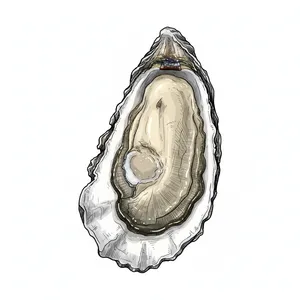
Riptide
US East CoastGrown in the tidal Westport River estuary near Buzzards Bay, Massachusetts. Bold and briny with sweet undertones and a strong earthy mineral finish. Hearty, robust meats shaped by dynamic currents.
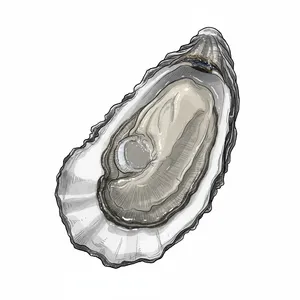
Blue Point (Great South Bay)
US East CoastThe legendary Blue Point oyster, restored to its original Great South Bay home. Full-salt brininess with sweet honeydew finish and distinctive pine and anise notes. A historic American favorite since the 1820s.
Learn More
The Big Five: A Complete Guide to Commercial Oyster Species
Comprehensive guide to C. virginica (Atlantic), C. gigas (Pacific), C. sikamea (Kumamoto), O. lurida (Olympia), and O. edulis (European Flat)
Read article → Biology & SpeciesThe Atlantic Oyster (C. virginica): From Maritime Brine to Gulf Sweetness
Deep dive into America's indigenous East Coast oyster - flavor profiles, regional variations, and famous varieties
Read article → Merroir & EnvironmentWhat Is Merroir? How Water Shapes Oyster Flavor
Merroir is the marine version of terroir: how salinity, temperature, tides, and plankton in the growing water shape an oyster's flavor. The science, plus how to taste it.
Read article →