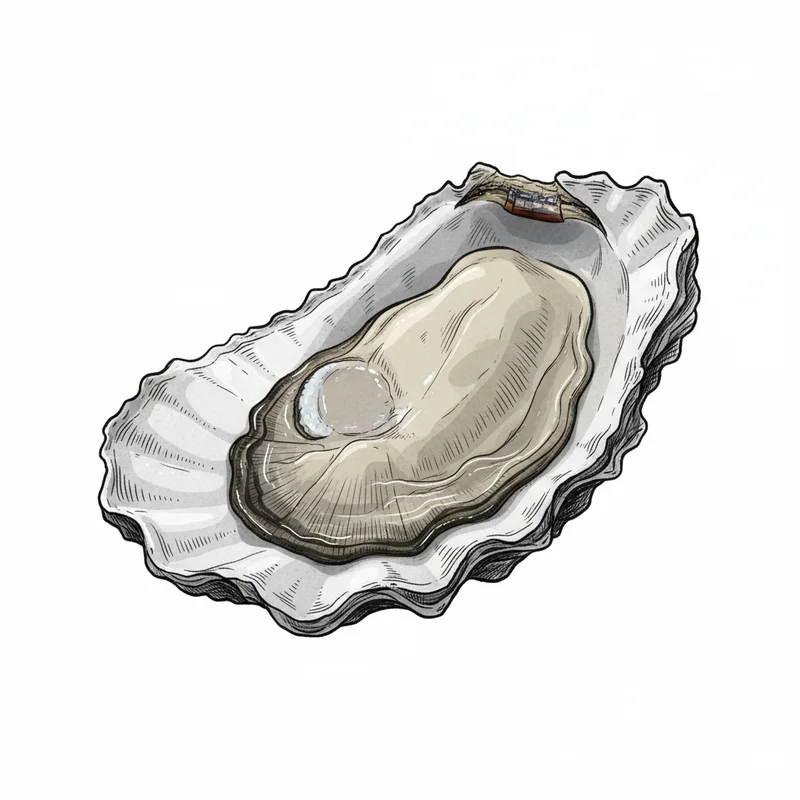
Otter Cove
Crassostrea gigas
Wild-harvested Pacific oyster from Discovery Bay, Washington. Meaty and firm with crisp, briny flavor, mild tanginess, and fresh seaweed notes from continuous feeding in protected rack waters.
At a Glance
Otter Cove is a Pacific oyster (Crassostrea gigas) from the US West Coast. It is notably briny (4/5 brininess) and moderately sweet (3/5 sweetness), with briny, sweet flavors and a finish that is fresh, clean aftertaste.
Flavor Profile
Finish
Fresh, clean aftertaste
Expert Notes
Otter Cove oysters are wild-harvested and transferred to the briny rack waters of Discovery Bay for intensive grow-out. Free from tidal disruptions and predation, they feed continuously and fatten quickly, developing firm, meaty texture. They showcase the mild tanginess characteristic of Pacific oysters with a crisp, briny flavor profile and pleasantly salty liquor. The seaweed notes and fresh finish reflect their nutrient-rich growing environment. Origin & Characteristics
- Species
- Crassostrea gigas
- Native to
- Japan
- Grown in
- Discovery Bay, Washington
- Size
- Medium to Large (2-3 inches)
- Shell Color
- White to gray
- Meat Color
- Cream to light gray
What Experts Say
Across 7 sources, tasters describe this oyster as:
Unique notes: cucumber, metallic, refined
"Otter Cove Oysters have full, plump meats, medium-high brininess, and finish with a mild clean sweetness and touch of cucumber."
brinysweetcucumberplumpclean
"This substantially sized (2.5 inches) oyster was very meaty and tasted slightly sweet. The liquid was also fairly [salty]."
meatysweetsalty
"These suspension grown oysters are very visually aesthetic and their clean appearance provides a consistently sweet, briny flavor."
sweetbrinyclean
"Unique oysters, these are wild-harvested from the beaches of Hood Canal, then transferred to rack-and-bag equipment in Discovery Bay, which makes them saltier and more refined in flavor, yet they retain the tough shells of their beach youth."
saltyrefined
"Otter Cove oysters have a slightly metallic flavor and a firm texture."
metallicfirm
About the Farm
Snow Creek Seafarms
Otter Cove oysters start as intertidal beach cultured oysters from Dabob Bay in Hood Canal, then are transferred to Snow Creek Seafarms in Discovery Bay to be finished by rack and bag method.
- Cultivation Method
- rack and bag
History & Background
Otter Cove oysters undergo a unique cultivation process opposite to the usual method - starting on beaches and finishing in rack and bag systems, rather than the reverse.
Part of the Northern Puget Sound oyster appellation, recognized by The Oyster Guide as a distinct Washington State oyster variety.
Did You Know?
- Takes 3-4 years to reach market size
- Wild-harvested initially from Hood Canal beaches before finishing in Discovery Bay
- Featured at acclaimed Seattle oyster bars like The Walrus and Carpenter
Sources & References
This information was compiled from 7 sources.
- Otter Cove Oysters — Chefs Resources
- Otter Cove — Oysterater
- Oyster Tasting Log - Peek & Eat — Peek & Eat
- Oysters - Fortune Fish Co. — Fortune Fish Co.
- Oyster Varieties — The Seafood Merchants
- I Fell in Love with Fried Oysters in Seattle — The Chopping Block
- Northern Puget Sound - The Oyster Guide — The Oyster Guide
Similar Oysters
Treasure Cove
US West CoastPremium Pacific oyster from Case Inlet in Southern Puget Sound. Deep-cupped with plump meat, offering a distinctive sweet-salty balance with crisp brininess and an intensely sweet, clean finish.
Cold Creek
US West CoastCultivated Pacific oyster from Southern Puget Sound with plump, sweet meat and midsized white-and-black shells. Balanced brininess with a distinctive salty-melon finish reminiscent of a New England clambake.
Eagle Rock
US West CoastClassic Totten Inlet oyster from South Puget Sound. Bag-to-beach cultivated for creamy, sweet meat with high brininess and the distinctive nori finish that defines the region. Saltier than most South Sound varieties.
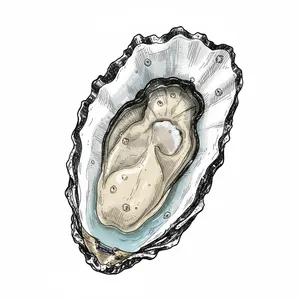
Elkhorn
US West CoastBeach-grown Pacific oyster from Washington's Willapa Bay. Firm and meaty with intense, robust flavor featuring high brininess, natural sweetness, and a distinctive mineral-melon finish.
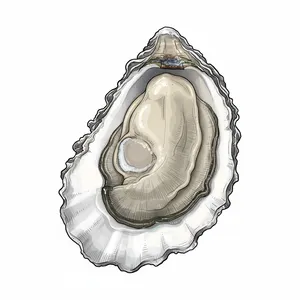
Fat Bastard
US West CoastThe largest of Taylor Shellfish's tide-tumbled Pacific oysters from Washington State. Bold, briny, and savory with a sweet finish, plump texture, and deep cups filled with generous liquor.
Learn More
The Big Five: A Complete Guide to Commercial Oyster Species
Comprehensive guide to C. virginica (Atlantic), C. gigas (Pacific), C. sikamea (Kumamoto), O. lurida (Olympia), and O. edulis (European Flat)
Read article → Biology & SpeciesThe Pacific Oyster (C. gigas): Cream, Cucumber, and the Japanese Legacy
Understanding the world's most cultivated oyster - from Japanese origins to West Coast dominance
Read article → Merroir & EnvironmentWhat Is Merroir? How Water Shapes Oyster Flavor
Merroir is the marine version of terroir: how salinity, temperature, tides, and plankton in the growing water shape an oyster's flavor. The science, plus how to taste it.
Read article →