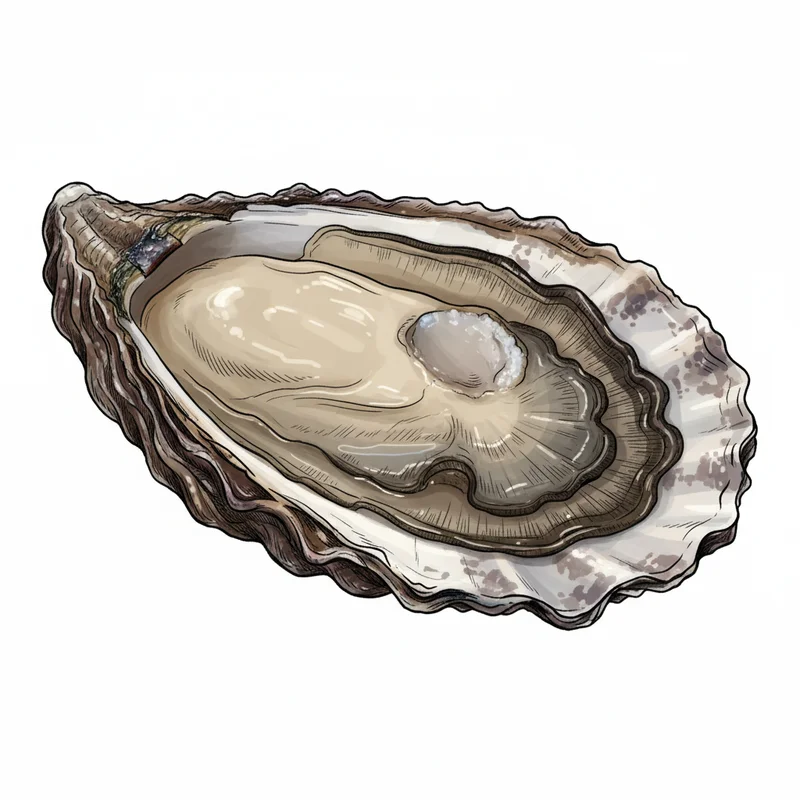
Oysterville Select
Crassostrea gigas
Farm-raised Pacific oyster from Willapa Bay, Washington. Known for their smooth texture, deep cup, and delicate balance of brine and sweetness with a clean, crisp finish from pristine West Coast waters.
At a Glance
Oysterville Select is a Pacific oyster (Crassostrea gigas) from the US West Coast. It is moderately briny (3/5 brininess) and distinctly sweet (4/5 sweetness), with briny, sweet, clean flavors and a finish that is clean, crisp, delicate balance of brine and sweetness. It is considered a beginner-friendly oyster.
Flavor Profile
Finish
Clean, crisp, delicate balance of brine and sweetness
Expert Notes
Oysterville Select oysters are farm-raised in the pristine waters of Willapa Bay using both bottom culture and off-bottom basket techniques. These Pacific oysters showcase a delicate balance of brine and sweetness with a smooth, creamy texture. Harvested after 2-5 years of growth and handpicked daily at low tide, they deliver the clean, crisp flavors characteristic of Willapa Bay's pristine waters with a subtle seaweed finish that reflects their West Coast terroir. Origin & Characteristics
- Species
- Crassostrea gigas
- Native to
- Japan
- Grown in
- Willapa Bay, Washington
- Size
- Medium to Large (3-6 inches)
- Shell Color
- Muddy brown to light gray
- Meat Color
- Cream
What Experts Say
Across 5 sources, tasters describe this oyster as:
Unique notes: thyme, metallic undertone, earthy
"Fresh from the Willapa Bay, Oysterville Selects® have a medium brine to start; with an earthiness and minerality supported with hints of thyme. There is a subtle metallic undertone that refreshingly clears to a sweet cucumber and melon finish."
brinyearthymineralthymemetallic
"Hand-picked from the tidal flats—often in the dead of night, time of the best winter low-tides—these beauties from Oysterville Sea Farms are the pick of the Willapa litter, natural-set and carefully culled to impeccable standards for shell shape and meat quality."
"The classic Willapa flavor—lightly salty, sweetly cucumber, and delicate, as pure sea as you get in a Pacific oyster—is quite nice and markedly different from most Washington oysters."
saltycucumbersweetdelicateclean
About the Farm
Oysterville Sea Farms
Est. early 1990sDan Driscoll inherited a cannery building from his father in the early 1990s and focused on select oysters for half-shell service when most Willapa Bay production was for shucked meat. The gray-shingled Oysterville Sea Farms building is on the National Register of Historic Places and is located in the historic ghost town of Oysterville.
- Cultivation Method
- bottom culture
History & Background
Oysterville Sea Farms represents a shift in Willapa Bay oyster production from industrial shucked-meat operations to artisanal half-shell oysters. Dan Driscoll was considered an iconoclast when he focused on select oysters in the early 1990s, but is now seen as ahead of his time.
Located in Oysterville, a historic ghost town at the end of the peninsula that shields Willapa Bay from the Pacific. The oysters can only be purchased from the Oysterville Sea Farms store in Oysterville itself. The building is on the National Register of Historic Places.
Did You Know?
- These oysters are often hand-picked in the dead of night during the best winter low-tides
- The farm operates from one of the oldest buildings in the region, a former cannery on the National Register of Historic Places
- Willapa Bay is considered the cleanest estuary in the United States
Sources & References
This information was compiled from 5 sources.
- Oysterville Select™ Flavor Profile & Description — Willapa Wild / Oysterville Sea Farms
- Oysterville Select - The Oyster Guide — The Oyster Guide
- Oysterville Select Oyster - Oysterater — Oysterater
- Willapa Bay - The Oyster Guide — The Oyster Guide
- Willapa Bay and Oregon - The Oyster Guide — The Oyster Guide
Similar Oysters
Cold Creek
US West CoastCultivated Pacific oyster from Southern Puget Sound with plump, sweet meat and midsized white-and-black shells. Balanced brininess with a distinctive salty-melon finish reminiscent of a New England clambake.
Dosewallips
US West CoastBeach-grown Pacific oyster from central Hood Canal where the Dosewallips River meets the sea. Sweet and cucumbery with a creamy texture, balanced brininess, and a light, clean finish.
Naked Roy's Beach
US West CoastSuspension-grown Pacific oyster from Samish Bay, Washington. Rich and fruity with hints of rhubarb and sweet notes, balanced by medium brininess. Named after a local character known for perfecting his tan on the beach.
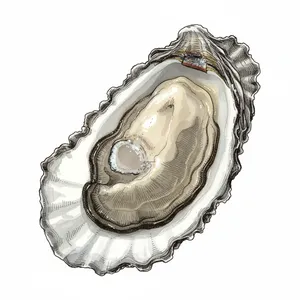
Humboldt Gold
US West CoastIntertidal beach-cultured Pacific oyster from Humboldt Bay, Northern California. Full, plump meats with medium brininess, buttery sweetness, and a clean cucumber finish. Excellent for both beginners and connoisseurs.
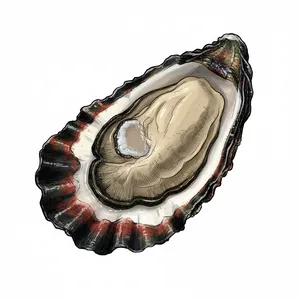
Treasure Cove
US West CoastPremium Pacific oyster from Case Inlet in Southern Puget Sound. Deep-cupped with plump meat, offering a distinctive sweet-salty balance with crisp brininess and an intensely sweet, clean finish.
Learn More
The Big Five: A Complete Guide to Commercial Oyster Species
Comprehensive guide to C. virginica (Atlantic), C. gigas (Pacific), C. sikamea (Kumamoto), O. lurida (Olympia), and O. edulis (European Flat)
Read article → Biology & SpeciesThe Pacific Oyster (C. gigas): Cream, Cucumber, and the Japanese Legacy
Understanding the world's most cultivated oyster - from Japanese origins to West Coast dominance
Read article → Merroir & EnvironmentWhat Is Merroir? How Water Shapes Oyster Flavor
Merroir is the marine version of terroir: how salinity, temperature, tides, and plankton in the growing water shape an oyster's flavor. The science, plus how to taste it.
Read article →