
Pacific Gold
Crassostrea gigas
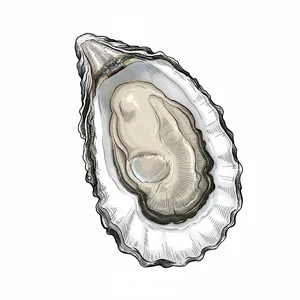
Suspension-raised Pacific oyster from Discovery Bay, Washington and Morro Bay, California. Large, sweet, and mild with firm meats, lovely fluted shells, and a fresh, crisp finish.
At a Glance
Pacific Gold is a Pacific oyster (Crassostrea gigas) from the US West Coast. It is mildly briny (2/5 brininess) and distinctly sweet (4/5 sweetness), with sweet, mild brine flavors and a finish that is sweet, fresh aftertaste. It is considered a beginner-friendly oyster.
Flavor Profile
Finish
Sweet, fresh aftertaste
Expert Notes
Pacific Gold oysters are suspension-raised in the cold, clear waters of Discovery Bay on Washington's Olympic Peninsula, where the Straits of Juan de Fuca provide ideal growing conditions. These fast-growing oysters develop lovely fluted shells and firm, plump meats over about 3 years. The flavor profile is distinctly sweet and mild, with a crisp, briny character that leaves a pleasant fresh aftertaste, making them approachable yet satisfying for half-shell enthusiasts. Origin & Characteristics
- Species
- Crassostrea gigas
- Native to
- Japan
- Grown in
- Discovery Bay, Olympic Peninsula, Washington, Morro Bay, California
- Size
- Large (3 inches)
- Shell Color
- Smooth, golden-brown with lovely fluted shells
- Meat Color
- Full, plump meat
What Experts Say
Across 7 sources, tasters describe this oyster as:
Unique notes: lemongrass, grassy
"The best example of a high brine West Coast oyster that I've yet to find. If you want a salty Gigas look no further than the Pacific Gold. In addition to classic pacific oyster flavors it also has a subtle bitter herb quality akin to lemongrass. This is a high quality oyster."
brinysaltybitter herblemongrass
"slight brine, sweet, full bodied. I'm from the Chesapeake Bay, but i've gotta say: these are the best oysters I've ever had for eating on the half shell. Nice briney taste but well balanced with the sweetness of the full bodied oyster."
brinysweetfull bodied
"Nice flavor. Its on the lighter side of briny. Good flavor and a touch of sweetness."
brinysweet
"Bitter herb and grassy with a surprisingly good shelf life for a gigas."
bitter herbgrassy
"These locally grown Pacific Gold oysters, with their briny, buttery flavor, are harvested at their highest potential."
brinybuttery
"When coastal storms bring rain and the salinity drops in the oyster beds, the Pacific Gold Oyster will develop a distinct melon finish. The strong northwest winds of spring cause the upwelling of cold, salty, nutrient rich water that is found deep near the ocean floor. The strong tides bring this water into the farm twice a day allowing our oysters to explode with growth and take on the fresh salty brine that surrounds them."
melonsaltybrinyfresh
About the Farm
Morro Bay Oyster Company
Est. 2004Founded by Neal Maloney, a marine biologist who studied at the University of Oregon and Oregon Institute of Marine Biology. The company works relentlessly to produce the freshest oysters possible, hand-sorting each oyster that goes to customers.
- Cultivation Method
- suspended culture
History & Background
Pacific Gold oysters (Crassostrea gigas) are found exclusively in Morro Bay, California, where they have been cultivated since 2004. The species itself, Crassostrea gigas, was named by Swedish naturalist Carl Peter Thunberg in 1795 and originated from Japan, where it has been cultured for hundreds of years.
Morro Bay is one of only approximately 15 oyster farms on the West Coast due to the limited number of suitable bays. Pacific Gold oysters are primarily sold to local restaurants and are becoming recognized as a premium California oyster variety.
Did You Know?
- Pacific Gold oysters are found only in Morro Bay, California
- The oysters spend 12-18 months growing in the bay before harvest
- Each oyster is hand-sorted before being sold to customers
- The flavor profile changes throughout the year based on seasonal salinity and food source variations
Sources & References
This information was compiled from 7 sources.
- Pacific Gold Oyster — Oysterater
- The Pacific Gold Oyster — Edible San Luis Obispo
- Oysters, Pacific Gold — Santa Monica Seafood
- Morro Bay Oyster Co. — Morro Bay Oyster Company
- Top Morro Bay Oyster Restaurants and Oyster Recipes — Morro Bay Tourism
- Morro Bay Oyster Company — Wanderlog
- Morro Bay's oysters are a delicate, delicious treat — New Times San Luis Obispo
Similar Oysters
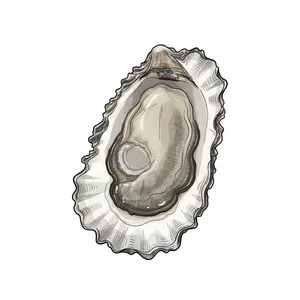
Bald Point
US West CoastSmall, beach-cultured Pacific oyster from Hood Canal, Washington. Low brininess with a sweet, delicate flavor and distinctive musky finish. Hardy shells from intertidal cultivation.
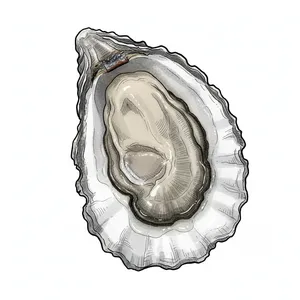
Hammersley Inlet
US West CoastBeach-grown Pacific oyster from South Puget Sound's Hammersley Inlet. Plump and sweet with mild saltiness, rich body, and a distinctive cucumber-melon finish. Grown in nutrient-dense waters for excellent meat-to-shell ratio.
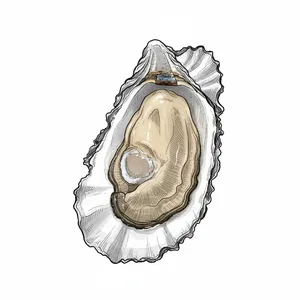
Pickering Passage
US West CoastA Pacific Northwest oyster from southern Puget Sound's nutrient-rich waters. Medium to large with tender, plump meats. Mild brine balanced with sweet richness and a crisp finish of melon and cucumber.
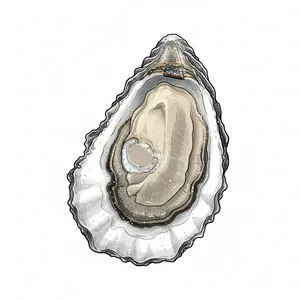
Barron Point
US West CoastHand-sized Pacific oyster from Little Skookum Inlet in southern Puget Sound. Sweet and mildly salty with plump, tender meat and a distinctive musky finish. A well-balanced West Coast favorite.
Henderson Inlet
US West CoastA community-farmed Puget Sound oyster from a restored watershed. Small and plump with sweet, buttery meat, light salinity, and a distinctive cucumber-earthy finish. All proceeds support water quality restoration.
Learn More
The Big Five: A Complete Guide to Commercial Oyster Species
Comprehensive guide to C. virginica (Atlantic), C. gigas (Pacific), C. sikamea (Kumamoto), O. lurida (Olympia), and O. edulis (European Flat)
Read article → Biology & SpeciesThe Pacific Oyster (C. gigas): Cream, Cucumber, and the Japanese Legacy
Understanding the world's most cultivated oyster - from Japanese origins to West Coast dominance
Read article → Merroir & EnvironmentWhat Is Merroir? How Water Shapes Oyster Flavor
Merroir is the marine version of terroir: how salinity, temperature, tides, and plankton in the growing water shape an oyster's flavor. The science, plus how to taste it.
Read article →