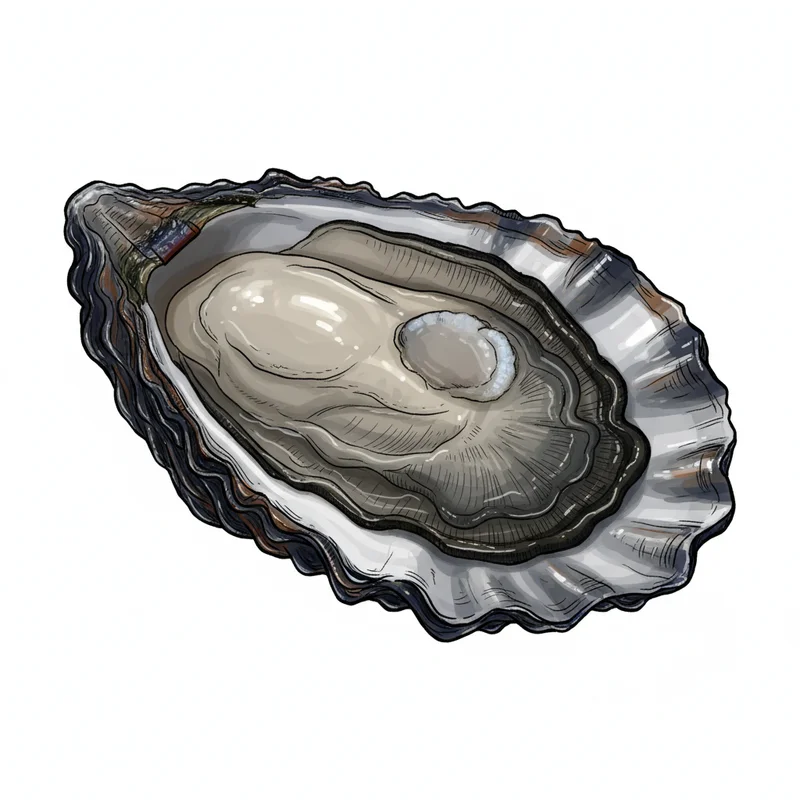
Pearl Bay
Crassostrea gigas
A tumbled Pacific oyster from Willapa Bay, Washington. Small, dark-shelled, and smooth with firm, tender meat. Balanced brininess with a buttery texture and distinctive nori finish.
At a Glance
Pearl Bay is a Pacific oyster (Crassostrea gigas) from the US West Coast. It is moderately briny (3/5 brininess) and subtly sweet (2/5 sweetness), with briny, mild, buttery flavors and a finish that is crisp, clean with buttery nori notes. It is considered a beginner-friendly oyster.
Flavor Profile
Finish
Crisp, clean with buttery nori notes
Expert Notes
Pearl Bay oysters are tumbled in flip bags that toss in the tides, creating their signature smooth, dark, polished shells while strengthening the firm, scallop-like muscle inside. This tumbling process produces tender, juicy meat with a balanced briny flavor that's prominent but not overpowering. The buttery texture and distinctive nori finish make these small oysters a popular choice, offering a refined Pacific Northwest character with a crisp, clean conclusion. Origin & Characteristics
- Species
- Crassostrea gigas
- Native to
- Pacific Ocean
- Grown in
- Willapa Bay, Washington
- Size
- Small (2-3 inches)
- Shell Color
- Dark, smooth, polished
- Meat Color
- Cream to light gray
What Experts Say
Across 8 sources, tasters describe this oyster as:
Unique notes: watermelon, smooth
"The Pearl Bays are grown on the surface and have the most typical BC flavor: sweet, smooth, and cucumbery."
sweetsmoothcucumber
"Tray grown in Jervis Inlet, on BC's Sunshine Coast, Pearl Bays have the thin shells and deep cups characteristic of BC tray-raised oysters."
"Sweet, mild watermelon flavor and a clean finish."
sweetmildwatermelonclean
"Also sweet, this oyster was creamy more than briny."
sweetcreamy
"Cultured Pacific oysters with a sweet, salty, and melon-like flavor. They are plump and have a mild finish."
sweetsaltymelonmildplump
"Naturally farmed in the deep cold waters off Sykes Island in Jervis Inlet just north of Vancouver, Pearl Bay Oysters are grown in trays suspended off the ocean floor on rafts or long-lines. First cultivated in 1947 by Mac's Oysters Ltd."
About the Farm
Mac's Oysters Ltd. / Pearl Bay Oyster Company
Est. 1947Mac's Oysters Ltd. pioneered the cultivation of Pearl Bay oysters in 1947 in the deep cold waters of Jervis Inlet, British Columbia. Pearl Bay grows three brands of oysters (Pearl Bay, Sinku, and Summer Ice) in suspended trays at different depths.
- Cultivation Method
- suspended culture
History & Background
Pearl Bay oysters are cultivated in Jervis Inlet, part of British Columbia's Sunshine Coast, an area that stays remarkably dry for the Pacific Northwest as storms exhaust themselves over Vancouver Island before reaching the coast.
Pearl Bay grows three distinct oyster brands from the same seed at different depths in Jervis Inlet, demonstrating three terroirs from three marine communities. The Pearl Bays grown on the surface have the most typical BC flavor profile.
Did You Know?
- Pearl Bay oysters are grown in Jervis Inlet, which is part of an oasis in the rainforest that stays shockingly dry for the Pacific Northwest
- The same farm produces three different oyster brands (Pearl Bay, Sinku, and Summer Ice) from the same seed by growing them at different depths
- Available from September to July
Sources & References
This information was compiled from 8 sources.
- Pearl Bay - British Columbia — The Oyster Guide
- Pearl Bay Oyster — Oysterater
- New to the Market: Mac's Canadian Oysters — Catalina Offshore Products
- Pearl Bay Oysters - The Oyster Encyclopedia — The Oyster Encyclopedia
- Raw Passion: Oysters Once, Oysters Twice — Good Stuff NW
- Sinku Oysters — Chef's Resources
- Types Of Oysters — The Nibble
- British Columbia - The Oyster Guide — The Oyster Guide
Similar Oysters
Tomales Bay Golden Nugget
US West CoastRare tumbled Pacific oyster from Tomales Bay's oldest oyster company. Deep-cupped and plump with smooth buttery brine, rich melon notes, and a distinctive woody artichoke finish. One of California's richest-tasting oysters.
Totten Inlet
US West CoastLegendary Pacific oyster from South Puget Sound's most renowned fattening grounds. Intensely rich and plump with bold briny flavor, buttery texture, and distinctive seaweed notes that made Totten Inlet famous worldwide.
French Hog
US West CoastA large, buttery Pacific oyster from Tomales Bay, California. Mild and refined with distinctive cucumber and melon notes. Farmed using traditional French rack and bag methods.
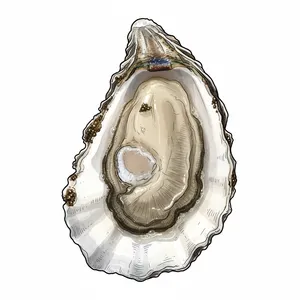
Golden Nugget
US West CoastA rare tumbled cocktail oyster from Tomales Bay's north shore. Small and deep-cupped with plump ivory meat, delivering high brine that mellows into a rich, buttery finish with hints of melon and cucumber.
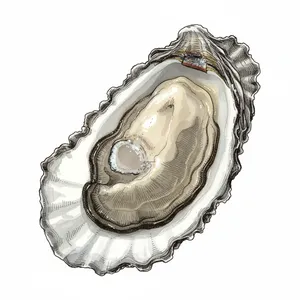
Humboldt Gold
US West CoastIntertidal beach-cultured Pacific oyster from Humboldt Bay, Northern California. Full, plump meats with medium brininess, buttery sweetness, and a clean cucumber finish. Excellent for both beginners and connoisseurs.
Learn More
The Big Five: A Complete Guide to Commercial Oyster Species
Comprehensive guide to C. virginica (Atlantic), C. gigas (Pacific), C. sikamea (Kumamoto), O. lurida (Olympia), and O. edulis (European Flat)
Read article → Biology & SpeciesThe Pacific Oyster (C. gigas): Cream, Cucumber, and the Japanese Legacy
Understanding the world's most cultivated oyster - from Japanese origins to West Coast dominance
Read article → Merroir & EnvironmentWhat Is Merroir? How Water Shapes Oyster Flavor
Merroir is the marine version of terroir: how salinity, temperature, tides, and plankton in the growing water shape an oyster's flavor. The science, plus how to taste it.
Read article →