Pelican Reef
Crassostrea virginica
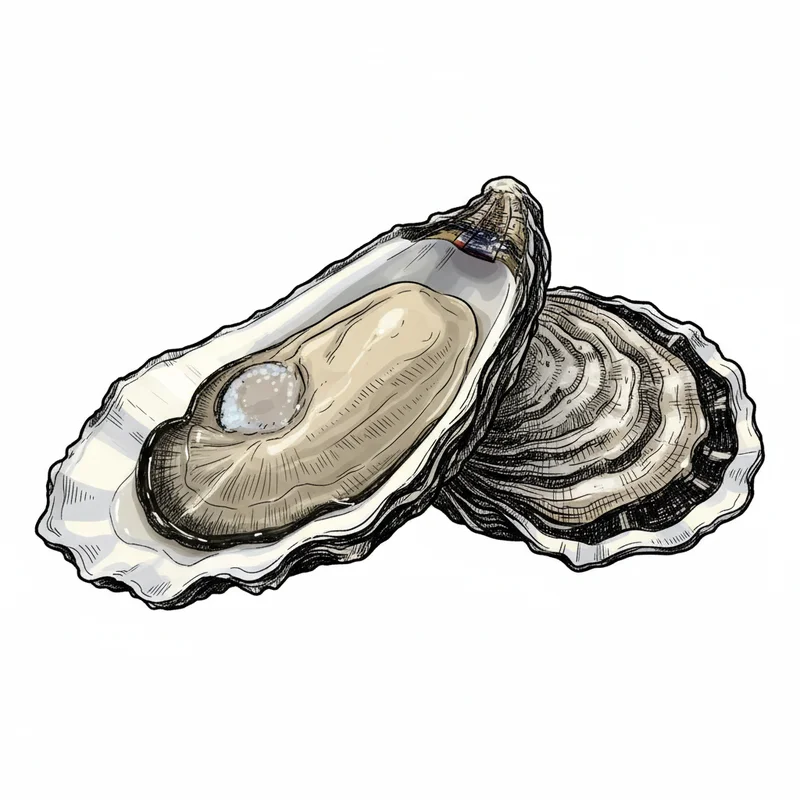
Tray-raised Gulf Coast oyster from Cedar Key, Florida's first oyster farms. Medium-sized with striking white-and-black striped shells, firm plump meats, and a rich creamy flavor with perfect saltiness and a distinctive lobster-stock finish.
At a Glance
Pelican Reef is an Eastern oyster (Crassostrea virginica) from the US Gulf Coast. It is notably briny (4/5 brininess) and moderately sweet (3/5 sweetness), with briny, sweet, creamy flavors and a finish that is lobster-stock finish, sweet and clean.
Flavor Profile
Finish
Lobster-stock finish, sweet and clean
Expert Notes
Pelican Reef oysters are tray-raised in the pristine waters of Cedar Key by Cedar Key Seafarms, one of Florida's pioneering oyster farms. These Gulf Coast gems feature beautifully striped white-and-black shells with deep cups that retain their liquor when shucked. The firm, plump meats deliver perfect saltiness balanced by strong creaminess and a distinctive lobster-like flavor reminiscent of New England seafood. They showcase the sweet-corn goodness and clean salinity that warm Gulf waters can produce, proving that Florida farms are creating world-class oysters. Origin & Characteristics
- Species
- Crassostrea virginica
- Native to
- USA
- Grown in
- Cedar Key, Florida
- Size
- Medium (2.5-3.5 inches)
- Shell Color
- White and black striped
- Meat Color
- Cream
What Experts Say
Across 6 sources, tasters describe this oyster as:
Unique notes: lobster-stock finish
"These rich and creamy oysters highlight the warm water conditions around the Florida Keys."
richcreamy
"This Gulf coast oyster variety from Cedar Key Seafarms has a deep cup and flat top shell that makes it easy to quickly shuck without losing the liquor within. [Pelican Reefs] are one of my favorite..."
"Midsized white-and-black shells and firm briny meat with a lobster-stock finish"
firmbrinylobster-stock finish
About the Farm
Cedar Key Seafarms
Est. 1995The Davis family has been working on the water off the coast of Cedar Key, Florida since the late 1800's. Mike and Heath Davis, father and son, own and operate Cedar Key Seafarms. They began oyster farming in 2012, building on their commercial fishing heritage.
- Cultivation Method
- suspended culture
History & Background
Pelican Reef oysters represent part of Florida's expanding oyster aquaculture industry, particularly Cedar Key's emergence as one of Florida's first oyster farming operations starting in 2012.
Part of the growing movement of Florida farmed oysters entering the high-value half-shell market, representing a shift from traditional wild harvest to aquaculture.
Did You Know?
- Named after Pelican Reef, the beautiful location in Cedar Key where they are grown
- Cedar Key waters are known for their pristine cleanliness
- The Davis family heritage in Cedar Key commercial fishing dates back to the late 1800s
Sources & References
This information was compiled from 6 sources.
- Taste of the sea: An oyster flavor guide — Feast and Field
- A State-by-State Guide to the South's 35 Best Oysters — Garden & Gun
- Oysters & Chablis: A Pairing Guide — The Oyster Guide
- Cedar Key Seafarms Farm Raised Clams — Cedar Key Seafarms
- Market Opportunities for Florida Farmed Oysters — UF/IFAS EDIS
- Pelican Reef Oysters - The Oyster Encyclopedia — Oyster Encyclopedia
Similar Oysters
Cape May Salt
US East CoastA stalwart mid-Atlantic oyster from Delaware Bay, New Jersey. Briny and sweet with exceptionally plump, creamy meat from rack and bag cultivation near Cape May's salty waters.
Ladies Pass
US Gulf CoastWild-harvested from Galveston Bay's Ladies Pass Reef. Large, firm oyster with high salinity, mouth-watering brine, sweet notes, and complex umami flavors with hints of asparagus and green bean.
Dennis
US East CoastCape Cod Bay oyster from South Dennis, Massachusetts. Plump meat with high brininess balanced by sweetness. Three years of growth in pristine open ocean waters create a rich, clean, and savory flavor profile.
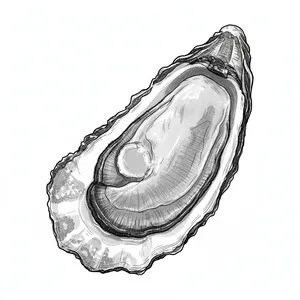
French Kiss
Canada East CoastA larger, mature Beausoleil from Miramichi Bay, New Brunswick. Full and plump with sharp brininess, clean taste, and a sweet finish. Hand-packed with exceptional attention to detail.
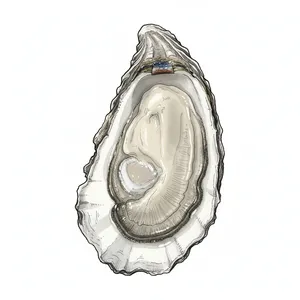
Gooseberry Bay
Canada East CoastFarm-raised in floating bags in Malpeque Bay, Prince Edward Island. Briny with sweet, nutty astringency, firm plump meats, and abundant rich liquor from the nutrient-rich Cape Shore waters.
Learn More
The Big Five: A Complete Guide to Commercial Oyster Species
Comprehensive guide to C. virginica (Atlantic), C. gigas (Pacific), C. sikamea (Kumamoto), O. lurida (Olympia), and O. edulis (European Flat)
Read article → Biology & SpeciesThe Atlantic Oyster (C. virginica): From Maritime Brine to Gulf Sweetness
Deep dive into America's indigenous East Coast oyster - flavor profiles, regional variations, and famous varieties
Read article → Merroir & EnvironmentWhat Is Merroir? How Water Shapes Oyster Flavor
Merroir is the marine version of terroir: how salinity, temperature, tides, and plankton in the growing water shape an oyster's flavor. The science, plus how to taste it.
Read article →