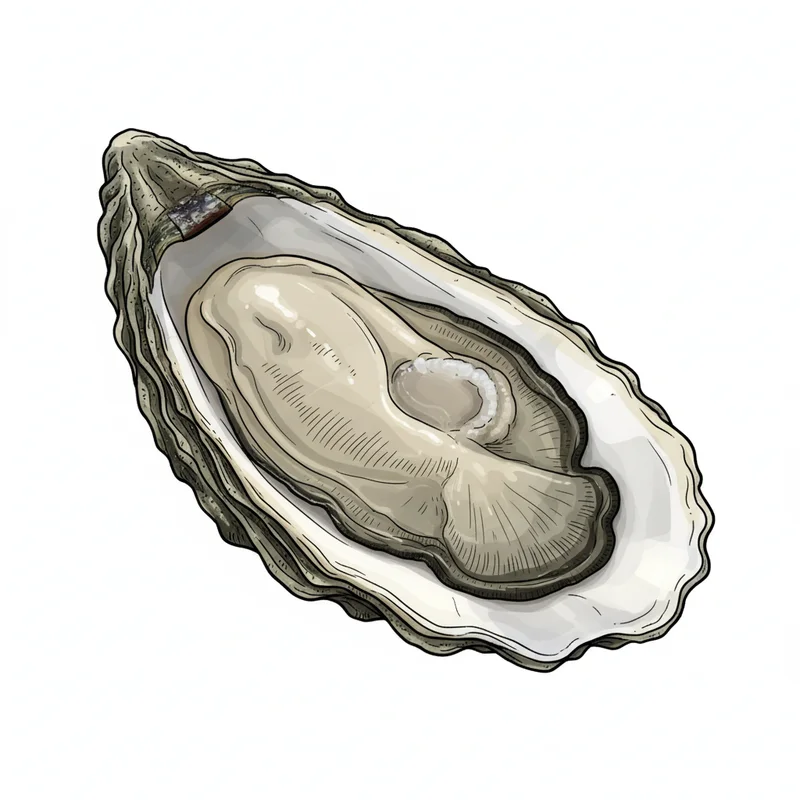
Pickle Point
Crassostrea virginica
Rare, aged PEI oyster from the makers of Raspberry Point. Seven years at harvest creates exceptional density and plumpness. Firm and intensely briny with creamy texture and subtle sweet finish. A collector's oyster.
At a Glance
Pickle Point is an Eastern oyster (Crassostrea virginica) from the Canada East Coast. It is notably briny (4/5 brininess) and moderately sweet (3/5 sweetness), with briny, sweet flavors and a finish that is firm, salty with a subtle sweet finish.
Flavor Profile
Finish
Firm, salty with a subtle sweet finish
Expert Notes
Pickle Point oysters are rare, exceptional specimens from Prince Edward Island, grown by the same farmers behind the legendary Raspberry Points. Harvested at seven years old—significantly longer than most oysters—these plump, dense beauties showcase the terroir of New London Bay and Hope River. They deliver an immediate, firm salty punch balanced by a creamy texture and subtle sweet finish that made connoisseurs 'wax poetic' about their greatness. Their rarity and extended aging make them a true collector's oyster. Origin & Characteristics
- Species
- Crassostrea virginica
- Native to
- Canada
- Grown in
- Pickle Point, New London Bay, Prince Edward Island, Hope River, Prince Edward Island
- Size
- Small to Medium (2.5-3.5 inches)
- Shell Color
- Greenish with ivory lips
- Meat Color
- Glistening cream to light gray
What Experts Say
Across 8 sources, tasters describe this oyster as:
Unique notes: herbal, Pernod, almond, lemony, creamy
"These were superb at the Boite aux Huitres shop in Montreal's Jean-Talon Market in January. The cups were not deep, but the shape was nice, the meats were firm, and the flavor was extraordinary: Sweet and herbal up front, with hints of Pernod, and incredibly rich on the finish, with tons of umami."
sweetherbalumamifirmrich
"Delicious. Beautiful clear oyster. I had these with Irish Points and they were slightly larger. Nice brine and rich tasting umami flavor."
brinyumamirich
"Average. Clean shell, firm meat, and slightly briny."
brinyfirmclean
"Firm Meat, Exceptionally Sweet, High Salinity, Lemony Finish"
firmsweetsaltylemony
"The flavor is sweet and mildly salty with an almond-like finish."
sweetsaltyalmond
"Pickle Points aren't a new discovery, but I did discover this New Year's Eve that they are absolutely plump and creamy-sweet right now."
plumpcreamysweet
About the Farm
Raspberry Point Oyster Company
Est. 1992Family-owned and operated business established by James and Marlene Power in Prince Edward Island, Canada. Also produces the well-known Raspberry Point oyster variety.
- Cultivation Method
- rack and bag
History & Background
Pickle Point oysters are farmed by the same team (James Powers and Scott Linkletter) who grow the famous Raspberry Point oysters. Named after Pickle Point in New London Bay, PEI.
With the runaway success of Raspberry Points, Pickle Points seem to have fallen off the map in recent years, making them a rarer find. They are cage-grown in shallow water near the shoreline and sunk in deeper water in winter, harvested by cutting through the ice with chain saws.
Did You Know?
- Harvested in winter by cutting through ice with chain saws
- Named after a point shaped like a pickle in New London Bay
- Takes approximately 7 years to reach harvest size due to cold northern waters
Sources & References
This information was compiled from 8 sources.
- Pickle Point Oyster — OysteRater
- Pickle Point Oysters - The Oyster Encyclopedia — Oyster Encyclopedia
- Know Your Oysters - Raspberry Point — Raspberry Point Oyster Company
- Pickle Point - Prince Edward Island — The Oyster Guide
- Pickle Points — The Oyster Guide
- LIVE OYSTERS — Fortune Fish & Gourmet
- OS Oyster Menu — The Oyster Society
- Oysters - East Coast - Crassostrea virginica | Pickle Point — Fortune Fish & Gourmet
Similar Oysters
Tresor Du Large
Canada East CoastRaised in deepwater offshore cages around Les Îles-de-la-Madeleine, Quebec. Intensely briny with a sweet, subtle finish. Firm, meaty, and exceptionally clean with consistent quality.
French Kiss
Canada East CoastA larger, mature Beausoleil from Miramichi Bay, New Brunswick. Full and plump with sharp brininess, clean taste, and a sweet finish. Hand-packed with exceptional attention to detail.
Gooseberry Bay
Canada East CoastFarm-raised in floating bags in Malpeque Bay, Prince Edward Island. Briny with sweet, nutty astringency, firm plump meats, and abundant rich liquor from the nutrient-rich Cape Shore waters.
Hurricane Island
Canada East CoastHand-harvested from the cold, clean waters of Nova Scotia's Northumberland Strait. Small to medium oysters with intense brininess, firm crisp texture, and a notably sweet finish.
Little Shemogue
Canada East CoastA premium cultured oyster from Southeast New Brunswick's Tormentine Peninsula. Small and plump with medium-high brininess, mineral richness, and a clean, sweet finish. Fresh biscuit aroma makes it an ideal starter oyster.
Learn More
The Big Five: A Complete Guide to Commercial Oyster Species
Comprehensive guide to C. virginica (Atlantic), C. gigas (Pacific), C. sikamea (Kumamoto), O. lurida (Olympia), and O. edulis (European Flat)
Read article → Biology & SpeciesThe Atlantic Oyster (C. virginica): From Maritime Brine to Gulf Sweetness
Deep dive into America's indigenous East Coast oyster - flavor profiles, regional variations, and famous varieties
Read article → Merroir & EnvironmentWhat Is Merroir? How Water Shapes Oyster Flavor
Merroir is the marine version of terroir: how salinity, temperature, tides, and plankton in the growing water shape an oyster's flavor. The science, plus how to taste it.
Read article →