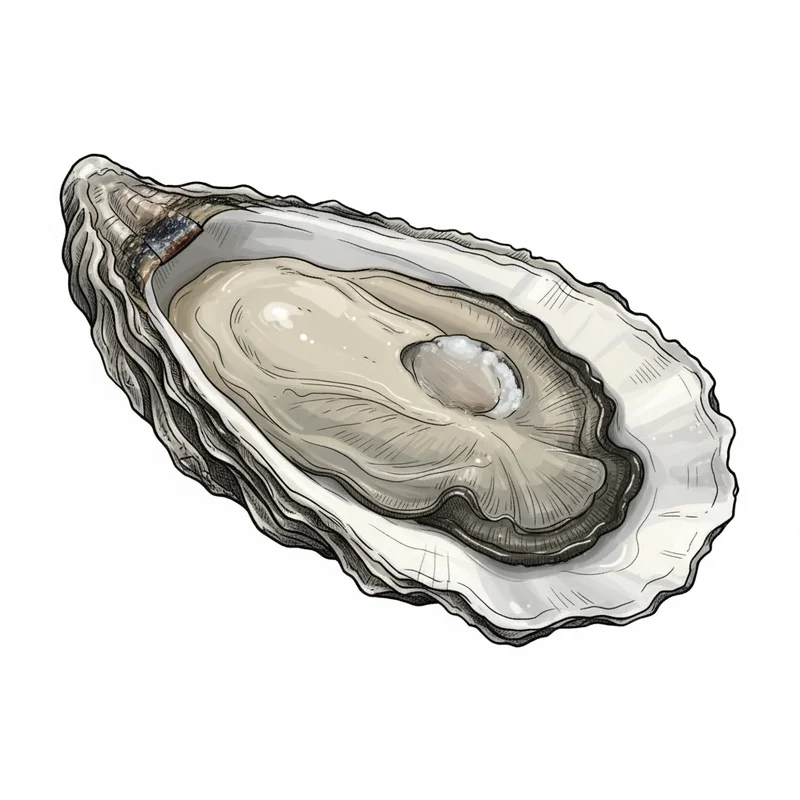
Pine Island
Crassostrea virginica
Historic Long Island Sound oyster harvested by traditional dredge methods since 1887. Large, robust shells with full meats. Balanced brine and sweetness with a crisp texture and sweet finish.
At a Glance
Pine Island is an Eastern oyster (Crassostrea virginica) from the US East Coast. It is moderately briny (3/5 brininess) and moderately sweet (3/5 sweetness), with briny, sweet flavors and a finish that is sweet, crisp, memorable. It is considered a beginner-friendly oyster.
Flavor Profile
Finish
Sweet, crisp, memorable
Expert Notes
Pine Island oysters are harvested by dredge by Flowers & Sons, the last of the old-time New York oystermen, with a history dating back to 1887. These massive oysters feature strong, irregular shells with thick, muscular bodies and full meats. With a balanced salinity of approximately 27 ppt, they deliver a rich brine complemented by sweetness and a crisp, meaty texture with a clean, sweet finish. Their characteristics are similar to Bluepoints but with a more robust, wild character befitting their traditional harvest method. Origin & Characteristics
- Species
- Crassostrea virginica
- Native to
- USA
- Grown in
- Oyster Bay, Long Island Sound, New York
- Size
- Large (3-5 inches)
- Shell Color
- Gray-white with irregular, gnarly texture
- Meat Color
- Plump cream to gray
What Experts Say
Across 7 sources, tasters describe this oyster as:
Unique notes: rocky aftertaste, succulent, rich brine, chewy, strong-shelled
"The large, dark belly suggested bold flavors to come and it delivered on that quite nicely. The salty, chewy meat had a rocky aftertaste."
saltychewyrockybold
"Sweet, salty, and succulent"
sweetsaltysucculent
"Oyster Bay has an ideal 27 ppt salinity, and its oysters come out briny, savory, firm, and strong-shelled."
brinysavoryfirm
"A New York treasure. Strong shells, rich brine, full meats, and a history that goes back to 1887."
brinyrichfull
"Remarkably similar in taste to the Blue Point Oyster, Pine Island Oysters also share a rich history and a rich brine."
brinyrich
"Deep, cold waters like we have off Long Island tend to make an oyster briny. This year has brought an especially good crop of New York varieties: Pine Island, Fisher's Island, Blue Point, Great South Bay, etc."
briny
About the Farm
Frank M Flower & Sons Inc.
Est. 1887Cultivates Pine Island oysters through sustainable oyster farming in Long Island's Oyster Bay since 1887, using boats that have been in operation since the 1930s. The hatchery, nursery, and bottomland are all located near Oyster Bay.
- Cultivation Method
- bottom culture
History & Background
Pine Island oysters have been sustainably 'ranched' in Long Island's Oyster Bay since 1887 by Frank M Flower & Sons, with a history dating back over 130 years. Oyster Bay was named by Dutch settlers for its abundant oyster population.
Should be at the top of every farm-to-table locavore list in New York City. Harvested in Billy Joel's underwater front yard as part of 1,800 acres of bottomland. Despite being a local treasure, they lack presence in NYC restaurants possibly because they've been around too long to be considered 'cool.'
Did You Know?
- Harvested using boats that have been in operation since the 1930s
- Harvested by vacuum dredge in a Rube Goldberg-style contraption
- Literally grown in Billy Joel's underwater front yard in Oyster Bay
- History dates back to 1887
Sources & References
This information was compiled from 7 sources.
- Pine Island oysters from Oyster Bay — The Oyster Guide
- Oysters & Absinthe at Maison Premiere — In A Half Shell
- East Coast Oysters - 2024 — Catanese Classic Seafood
- Pine Island Oyster — Oysterater
- Pine Island Oysters — The Oyster Encyclopedia
- New York Oysters Are Fat and Sassy — Grub Street
- A Look Into Our Raw Oyster Selection At Oceanos Seafood Restaurant — Oceanos Restaurant
Similar Oysters
North Haven
US East CoastA distinctive Maine oyster from North Haven Island. Round and heavy with bright emerald green shells. Perfectly balanced earthiness and brine with honey and melon notes, finishing clean and mellow.
Shelter Island
US East CoastMedium-sized Long Island Sound oyster with balanced brine and subtle sweetness. Firm texture with clean finish and umami notes. Larger and saltier than Bluepoints, from historic oyster-growing waters.
Barnstable
US East CoastA classic Cape Cod Bay oyster from historic Barnstable Harbor. Sweet and nutty with firm, crunchy texture, balanced brine, and a distinctive lobster-stock finish reminiscent of a New England clambake.
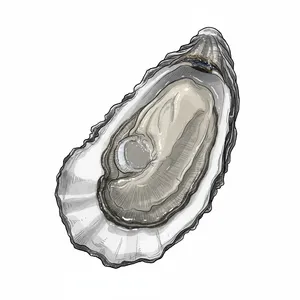
Blue Point (Great South Bay)
US East CoastThe legendary Blue Point oyster, restored to its original Great South Bay home. Full-salt brininess with sweet honeydew finish and distinctive pine and anise notes. A historic American favorite since the 1820s.
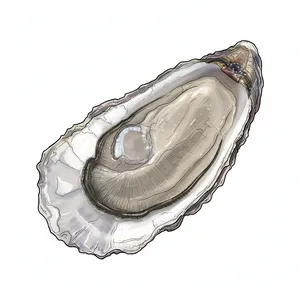
Bodie Island
US East CoastThe Outer Banks' first farmed oyster from North Carolina. Medium-sized with balanced salinity, offering a harmonious blend of sweet and salt with firm texture from off-bottom tray cultivation.
Learn More
The Big Five: A Complete Guide to Commercial Oyster Species
Comprehensive guide to C. virginica (Atlantic), C. gigas (Pacific), C. sikamea (Kumamoto), O. lurida (Olympia), and O. edulis (European Flat)
Read article → Biology & SpeciesThe Atlantic Oyster (C. virginica): From Maritime Brine to Gulf Sweetness
Deep dive into America's indigenous East Coast oyster - flavor profiles, regional variations, and famous varieties
Read article → Merroir & EnvironmentWhat Is Merroir? How Water Shapes Oyster Flavor
Merroir is the marine version of terroir: how salinity, temperature, tides, and plankton in the growing water shape an oyster's flavor. The science, plus how to taste it.
Read article →