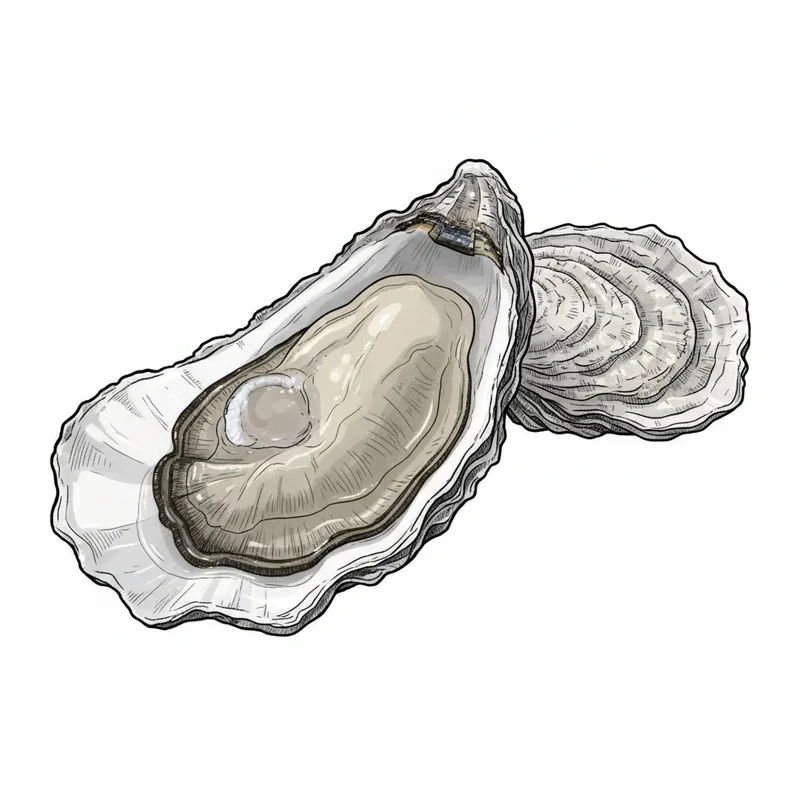
Pipes Cove
Crassostrea virginica
Historic Peconic Bay oyster with plump meats and distinctive mineral character. Medium brininess with a unique iron finish, reflecting the nutrient-rich tidal marshlands of Pipes Cove near Greenport, Long Island.
At a Glance
Pipes Cove is an Eastern oyster (Crassostrea virginica) from the US East Coast. It is moderately briny (3/5 brininess) and subtly sweet (2/5 sweetness), with briny, mineral, iron flavors and a finish that is distinctive iron and mineral notes.
Flavor Profile
Finish
Distinctive iron and mineral notes
Expert Notes
Pipes Cove oysters are cultivated in one of Long Island's historic oyster appellations near Greenport, with a heritage dating back to the 1880s. These oysters develop their distinctive character from the rich tidal marshlands surrounding Pipes Cove, which produce concentrated nutrient levels combined with strong, cool tidal flows. The result is a plump-meated oyster with medium brininess and a unique iron-mineral finish that embodies the essence of Greenport terroir. Origin & Characteristics
- Species
- Crassostrea virginica
- Native to
- USA
- Grown in
- Pipes Cove, Peconic Bay, Long Island, New York
- Size
- Small to Medium (up to 3 inches)
- Shell Color
- Gray-white
- Meat Color
- Cream to light gray
What Experts Say
Across 8 sources, tasters describe this oyster as:
Unique notes: salted iron, umami, sweet-mineral finish
"Both Pipes Cove and Widow's Hole have a salted iron flavor note that is the essence of Greenport oysters."
saltediron
"Pipes Cove have a salted iron flavor note that is the essence of Greenport oysters. Pipes cove is surrounded by the richest of tidal wetlands which produce concentrated nutrient levels not found in other areas."
saltedironrich
"Pipes Cove have a salted iron flavor note that is the essence of Greenport oysters. Pipes cove is surrounded by the richest of tidal wetlands which produce concentrated nutrient levels not found in other areas."
saltediron
"Medium brininess, plump meats, distinctive mineral character with unique iron finish."
brinymineralironplump
"Grown in off-bottom cages on Long Island's North Fork. Characterized as briny with average size."
briny
About the Farm
Pipes Cove Oyster Farm (founded by Ed Jurczenia)
Est. 2000Founded in 2000 by Ed Jurczenia and his wife Darlene Duffy at the Silver Sands Motel in Greenport, starting with 1,500 baby oysters from Cornell marine center. The farm is now part of New York State's largest oyster operation, set on a 15-acre underwater lot in pristine tidal marshes.
- Cultivation Method
- off-bottom cages
History & Background
Pipes Cove has been a prime oyster cultivation area since the 1880s. The modern oyster farm was established in 2000 by Ed Jurczenia, reviving the local oyster industry in Greenport. The farm grows oysters naturally in the waters in front of Silver Sands Motel, benefiting from natural clean water flows.
Oysters are grown just beyond the roped-off swimming area of the Silver Sands Motel, making them hyper-local - often harvested just 200 feet from where they're served. The farm now supplies prestigious restaurants including Grand Central Oyster Bar in New York City.
Did You Know?
- Pipes Cove and neighboring Widow's Hole are separated by Fanny Point
- The farm can cultivate up to three million oysters on its 15-acre underwater lot
- Exclusively developed 'Darlings' oysters with Oysterponds Shellfish Co., inspired by West Coast Kusshi but with bold East Coast flavor
Sources & References
This information was compiled from 8 sources.
- Pipes Cove - The Oyster Guide — oysterguide.com
- Pipes Cove Oysters — chefs-resources.com
- East Coast Oysters - Wild Edibles — wildedibles.com
- Pipes Cove Oyster - Oysterater — oysterater.com
- Farm stands for a new generation: North Fork Chef — northforker.com
- North Fork Experience | Silver Sands Motel in Greenport — silversandsmotel.com
- From the Waters of Pipes Cove, 200 Feet to Your Plate At Silver Sands — facebook.com
- The East Coast Oyster - Dusty's Oyster Bar — dustysoysterbar.com
Similar Oysters
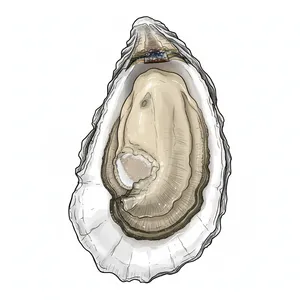
Great White
US East CoastCape Cod's flagship oyster from Barnstable Harbor. Large with thick shells and dense, savory meats. Distinctively briny and mineral-forward with a powerful ocean taste shaped by twice-daily tidal flows.
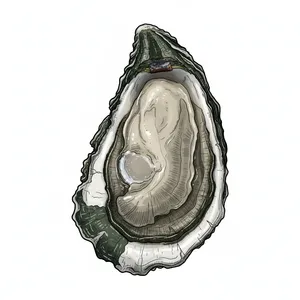
Naked Cowboy
US East CoastWild-harvested from Long Island Sound, the Naked Cowboy is an iconic oyster with massive, plump meats and a ruggedly bold personality. Intensely briny with strong mineral and metallic notes, this is a big, strong, savory oyster for experienced lovers—not for sissies.
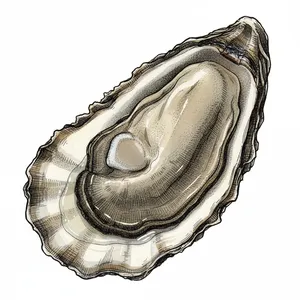
Oysterponds
US East CoastLarge, deep-cupped Long Island oyster with distinctive umber-and-black shells. Intensely briny and savory with strong mineral character, tannic bite, and full musky flavor. Best September through April.
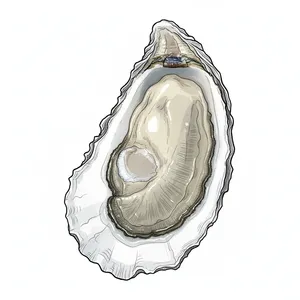
Robins Island
US East CoastSustainably farmed Peconic Bay oyster with medium brine and distinctive iron-rich minerality. Aquatray cultivation yields clean shells and silky, firm meats with complex grassy sweetness and a buttery, vegetal finish.
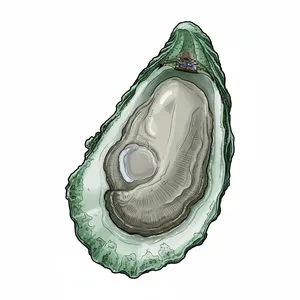
Cotuit
US East CoastAmerica's oldest oyster brand since 1857. Rich, complex, with strong mineral brine balanced by sweet notes and a lingering slate finish.
Learn More
The Big Five: A Complete Guide to Commercial Oyster Species
Comprehensive guide to C. virginica (Atlantic), C. gigas (Pacific), C. sikamea (Kumamoto), O. lurida (Olympia), and O. edulis (European Flat)
Read article → Biology & SpeciesThe Atlantic Oyster (C. virginica): From Maritime Brine to Gulf Sweetness
Deep dive into America's indigenous East Coast oyster - flavor profiles, regional variations, and famous varieties
Read article → Merroir & EnvironmentWhat Is Merroir? How Water Shapes Oyster Flavor
Merroir is the marine version of terroir: how salinity, temperature, tides, and plankton in the growing water shape an oyster's flavor. The science, plus how to taste it.
Read article →