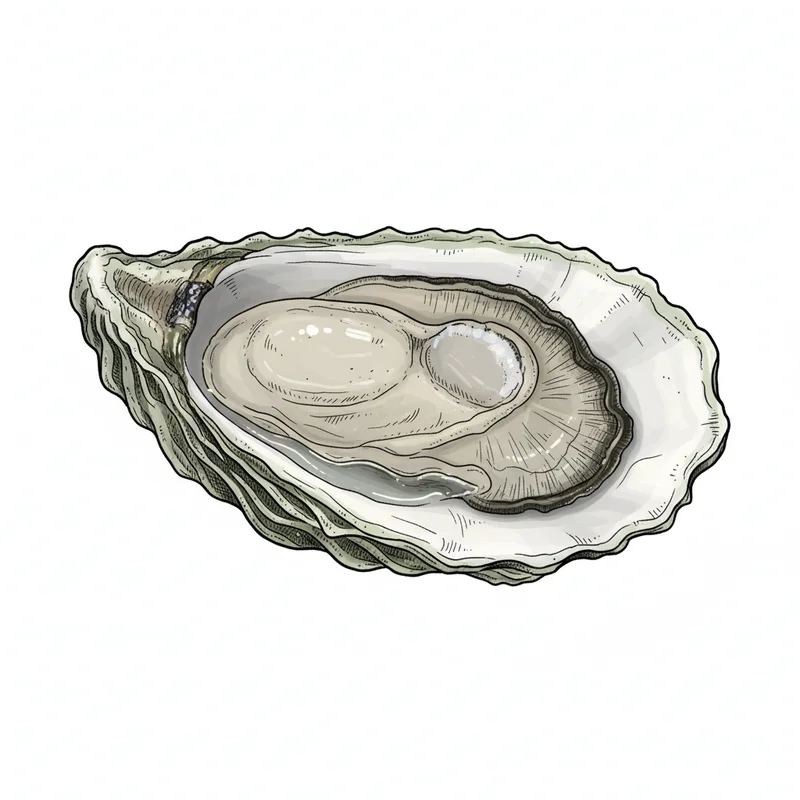
Pleasant Bay
Crassostrea virginica
A deeply-cupped Cape Cod oyster from the pristine waters of Pleasant Bay in Orleans, Massachusetts. Classic Atlantic brininess with a buttery texture, crisp clean flavor, and sweet finish. Rack and bag cultivated for three years.
At a Glance
Pleasant Bay is an Eastern oyster (Crassostrea virginica) from the US East Coast. It is notably briny (4/5 brininess) and moderately sweet (3/5 sweetness), with briny, sweet flavors and a finish that is sweet, clean, prolonged ocean finish.
Flavor Profile
Finish
Sweet, clean, prolonged ocean finish
Expert Notes
Pleasant Bay oysters are cultivated in the isolated, pristine waters of Pleasant Bay on Cape Cod's outer shore. Grown in rack and bag systems for three years before harvest, these deeply-cupped oysters develop a classic Atlantic brininess with a crisp, clean flavor profile. The open-water location and increased salinity of Pleasant Bay create a distinctively briny-sweet taste with a buttery texture and prolonged ocean finish that rivals West Coast varieties in complexity. Origin & Characteristics
- Species
- Crassostrea virginica
- Native to
- USA
- Grown in
- Pleasant Bay, Orleans, Massachusetts
- Size
- Medium (3-4 inches)
- Shell Color
- White to green
- Meat Color
- Cream to light gray
What Experts Say
Across 9 sources, tasters describe this oyster as:
Unique notes: prolonged ocean finish, stronger seawater flavor than Wellfleets
"Deeply cupped, moderate salt content with clean, prolonged ocean finish"
brinycleanmineral
"Pleasant Bay oysters are known for their high salt content and clean ocean finish"
brinysaltycleanocean
"They have a classic salty Cape Cod oyster taste, maybe even stronger seawater flavor than the Wellfleets. With a great small but healthy cull, and nice looking meat"
saltybrinyoceanclean
"Pleasant Bay Oysters are cultivated in Pleasant Bay near the town of Orleans on the Atlantic Ocean side of Cape Cod. The owner has been farming these oysters in that same spot for almost 25 years. They are a clean, briny oyster that tastes just like the ocean."
brinycleanocean
"Pleasant Bay Oysters are cultivated in Pleasant Bay near the town of Orleans on the Atlantic Ocean side of Cape Cod. The area is ideal for oyster farming because the estuaries here are rich in nutrients"
cleanbriny
"wild-harvested; similar to a traditional Blue Point, mild saltiness & plump"
brinymildplumpbuttery
"They have a salty flavor that is balanced by a buttery, sweet finish"
saltybutterysweet
"They are a rack and bag cultivated oyster. Dave's methods include regular picking through the oysters to ensure a uniform shape, size and shell hardness. They take about 3 years to come to market size"
cleanbriny
About the Farm
Barley Neck Sea Farm
Est. 1980sPeter Orcutt was one of the first people on Cape Cod to start growing oysters back in the 1980s. He started with Dick Krauss, father of shellfish farming in Massachusetts. Originally farming clams, Pete switched to oysters and has been farming his grant on the oceanside of the cape for almost 25 years in the same spot.
- Cultivation Method
- floating bags
History & Background
The harvesting area was created by a historical storm which opened up the breach to the Atlantic Ocean in 1986 and developed Pleasant Bay. Peter Orcutt's farm is the oldest farm in Pleasant Bay, operating since the 1980s.
Pleasant Bay is located in Orleans, Massachusetts on the Atlantic Ocean side of Cape Cod. The area is ideal for oyster farming because the estuaries are rich in nutrients and very isolated and pristine.
Did You Know?
- The Pleasant Bay growing area was created by a major storm in 1986 that opened a breach to the Atlantic Ocean
- Peter Orcutt trained with Dick Krauss, known as the father of shellfish farming in Massachusetts
- Pleasant Bay oysters have salinity levels almost as high as ocean water itself
- The oysters are grown primarily in bags floated by buoys, then transferred to traditional racks and bags just before harvest
Sources & References
This information was compiled from 9 sources.
- Pleasant Bay Oysters from Orleans, MA — Island Creek Oysters
- Pleasant Bay Oysters — Chef's Resources
- East Coast Oysters - 2024 — Catanese Classic Seafood
- Oyster Descriptions — Big Rock Oyster
- OYSTERS — Elm Square Oyster Co.
- Cape Cod Aquaculture: Cape Cod Shellfish Farms — Cape Cod Xplore
- Pleasant Bay Oysters — JJ McDonnell
- Shellfish — Gadaleto Seafood
- Waterbar Oyster Menu — Oyster Guide
Similar Oysters
Martha's Vineyard
US East CoastA bold island oyster from Martha's Vineyard, Massachusetts. Large and deep-cupped with an intense briny hit, smooth creamy body, and sweet finish. Known for plumpness and abundant liquor.
Nonesuch
US East CoastBottom-planted Maine oyster from the Scarborough River nature conservancy. Known for distinctive moss-green shells and hearty meat with a fantastic balance of brine and sweetness, finishing with unique bitter green olive notes and silky texture.
Blue Point (Great South Bay)
US East CoastThe legendary Blue Point oyster, restored to its original Great South Bay home. Full-salt brininess with sweet honeydew finish and distinctive pine and anise notes. A historic American favorite since the 1820s.
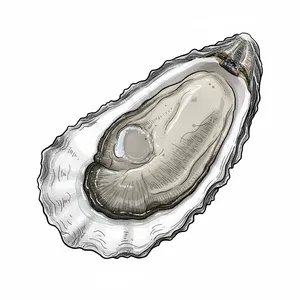
Broadwater
US East CoastA Virginia oyster grown in Chesapeake waters and finished on the Atlantic side for enhanced salinity. Plump, smooth meat with lively brininess and complex flavor that sets it apart from typical Chesapeake oysters.
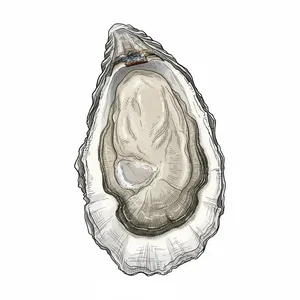
Bulls Bay
US East CoastHistoric South Carolina oyster from Bulls Bay. Large and meaty with a firm texture, pronounced briny flavor, and distinctive sweet finish. Shaped by high salinity coastal waters with peak flavor in colder months.
Learn More
The Big Five: A Complete Guide to Commercial Oyster Species
Comprehensive guide to C. virginica (Atlantic), C. gigas (Pacific), C. sikamea (Kumamoto), O. lurida (Olympia), and O. edulis (European Flat)
Read article → Biology & SpeciesThe Atlantic Oyster (C. virginica): From Maritime Brine to Gulf Sweetness
Deep dive into America's indigenous East Coast oyster - flavor profiles, regional variations, and famous varieties
Read article → Merroir & EnvironmentWhat Is Merroir? How Water Shapes Oyster Flavor
Merroir is the marine version of terroir: how salinity, temperature, tides, and plankton in the growing water shape an oyster's flavor. The science, plus how to taste it.
Read article →