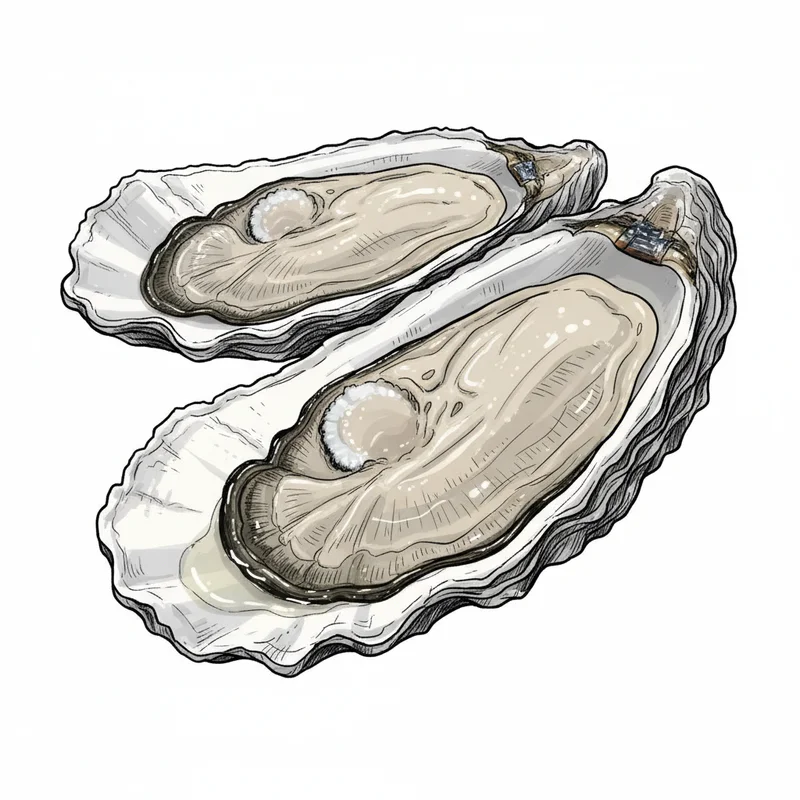
Potomac Whitecap
Crassostrea virginica
A sweetwater Chesapeake oyster from the Potomac River region. Delicate and sweet with smooth creaminess, medium brine, and a clean finish. Plump meats reflect the freshwater influence of Virginia's Upper Bay Western Shore.
At a Glance
Potomac Whitecap is an Eastern oyster (Crassostrea virginica) from the US East Coast. It is mildly briny (2/5 brininess) and distinctly sweet (4/5 sweetness), with sweet, mild brine flavors and a finish that is clean, smooth, delicate sweetness. It is considered a beginner-friendly oyster.
Flavor Profile
Finish
Clean, smooth, delicate sweetness
Expert Notes
Potomac Whitecap oysters embody the sweetwater character of the Upper Bay Western Shore region, where the Potomac River meets the Chesapeake Bay. These plump-meated oysters showcase a delicate, light sweetness balanced with medium brine and a smooth, creamy texture that borders on buttery richness. The clean finish and subtle minerality reflect the freshwater influence of the Potomac, creating an approachable yet refined oyster that captures the essence of Virginia's northern Chesapeake waters. Origin & Characteristics
- Species
- Crassostrea virginica
- Native to
- USA
- Grown in
- Potomac River, Virginia, Upper Bay Western Shore, Chesapeake Bay
- Size
- Small to Medium (2.75 inches)
- Shell Color
- White to gray-white
- Meat Color
- Cream to light gray
Perfect Pairings
What Experts Say
Across 1 sources, tasters describe this oyster as:
"Not the best I've had, but reminds me of the bay when out of town. Not very briny."
low brinetraditional Chesapeake
About the Farm
Unknown
Cage-farmed oysters grown where the waters of the Coan and Potomac Rivers merge with the Chesapeake Bay.
- Cultivation Method
- off-bottom cages
History & Background
A Chesapeake Bay oyster grown at the confluence of the Coan and Potomac Rivers with the main bay.
Represents the traditional Chesapeake taste profile characteristic of Virginia's upper Western Shore oysters.
Did You Know?
- Named after the whitecaps that form where the Potomac River meets Chesapeake Bay
Sources & References
This information was compiled from 1 sources.
- Potomac Whitecap Oyster — OysteRater
Similar Oysters
38 Degrees North
US East CoastA balanced Chesapeake Bay oyster. Mild, slightly sweet with refined brine and a clean finish. Firm and meaty from floating cage cultivation.
Beach Point
US East CoastA boutique oyster from Barnstable Harbor, Cape Cod. Meaty and plump with light brininess, bright sweet cream flavor, and a crisp finish. Only 30,000 raised annually with meticulous care.
Chesapeake
US East CoastClassic Chesapeake Bay oyster from Maryland and Virginia. Sweet and buttery with balanced brininess and a smooth, creamy texture. Grown in brackish waters that create the bay's signature mild, refined flavor.
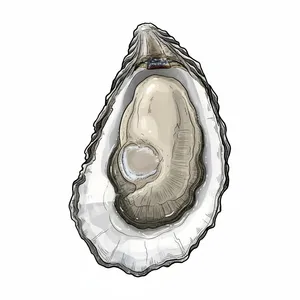
James River
US East CoastA mild Virginia oyster from the brackish waters where the James River meets the Chesapeake Bay. Exceptionally plump with low salinity, focusing on sweet cream and savory, earthy notes with a smooth finish.
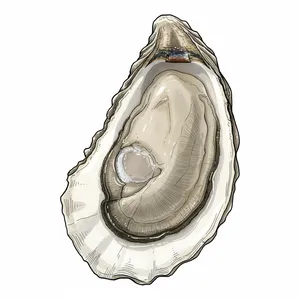
Dragon Creek
US East CoastA mild, sweet Chesapeake Bay oyster from Virginia's Nomini Creek. Large and plump with creamy shells, minimal brininess, and a clean watermelon finish. Perfect for beginners seeking classic Chesapeake character.
Learn More
The Big Five: A Complete Guide to Commercial Oyster Species
Comprehensive guide to C. virginica (Atlantic), C. gigas (Pacific), C. sikamea (Kumamoto), O. lurida (Olympia), and O. edulis (European Flat)
Read article → Biology & SpeciesThe Atlantic Oyster (C. virginica): From Maritime Brine to Gulf Sweetness
Deep dive into America's indigenous East Coast oyster - flavor profiles, regional variations, and famous varieties
Read article → Merroir & EnvironmentWhat Is Merroir? How Water Shapes Oyster Flavor
Merroir is the marine version of terroir: how salinity, temperature, tides, and plankton in the growing water shape an oyster's flavor. The science, plus how to taste it.
Read article →