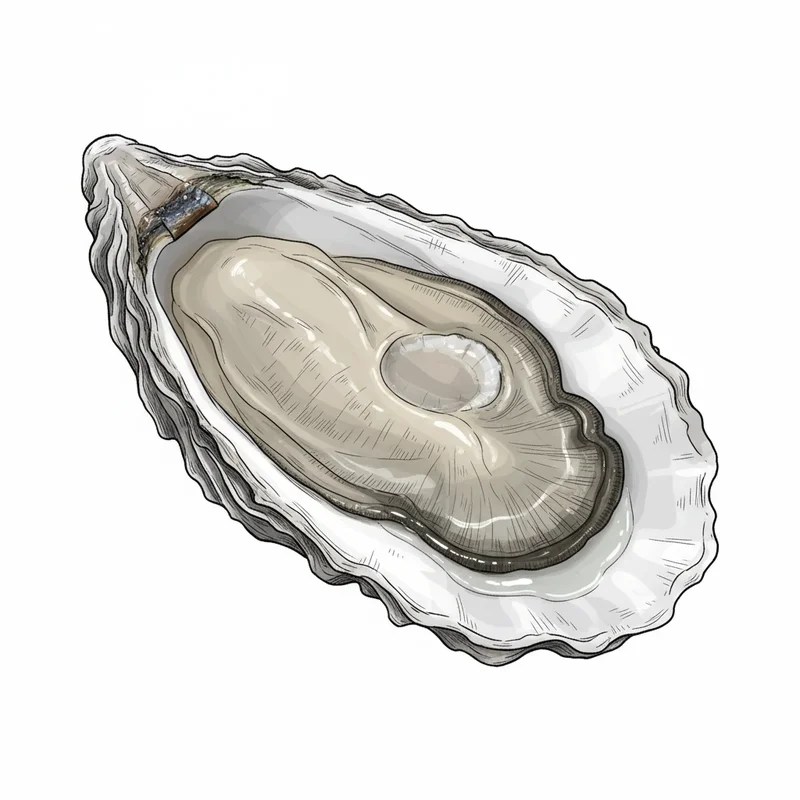
Robins Island
Crassostrea virginica
Sustainably farmed Peconic Bay oyster with medium brine and distinctive iron-rich minerality. Aquatray cultivation yields clean shells and silky, firm meats with complex grassy sweetness and a buttery, vegetal finish.
At a Glance
Robins Island is an Eastern oyster (Crassostrea virginica) from the US East Coast. It is moderately briny (3/5 brininess) and moderately sweet (3/5 sweetness), with briny, mineral, sweet flavors and a finish that is buttery, vegetal with signature peconic bay minerality and iron notes. It is considered a beginner-friendly oyster.
Flavor Profile
Finish
Buttery, vegetal with signature Peconic Bay minerality and iron notes
Expert Notes
Robins Island oysters showcase the classic Peconic Bay profile with recognizable medium brine and body complemented by distinctive iron-rich minerality. Cultivated using aquatrays that keep oysters off the muddy bay bed, these firm-fleshed oysters develop clean, uniform shells and silky-textured meats. The complex flavor journey begins with grassy sweetness from the adductors, transitions through briny liquor, and finishes with signature Peconic minerality and a buttery, vegetal character. Origin & Characteristics
- Species
- Crassostrea virginica
- Native to
- USA
- Grown in
- Peconic Bay, Southampton, New York, West of Robins Island, Long Island
- Size
- Medium (3-4 inches)
- Shell Color
- Clean, uniform white to gray
- Meat Color
- Full, bright with cream to light gray
What Experts Say
Across 5 sources, tasters describe this oyster as:
Unique notes: grassy sweetness, adductors providing complexity
"The oysters, also known as East Ends, are harvested from waters near the island, and have that recognizably Peconic medium brine and body and iron richness, though not quite the liveliness of a Widow's Hole or Oysterponds, which come from closer to the open sea."
medium brineironrich
"Firm fleshed meats with adductors providing complex grassy sweetness. Briny liquor gives way to signature Peconic Bay minerality with notes of iron melding into a buttery, vegetal finish."
firmgrassysweetbrinymineral
About the Farm
West Robins Oyster Company
Est. 2016Founded by Will Peckham and Walker Lourie, who hatched the idea on Fishers Island's Isabella Beach in 2015. They believe oyster aquaculture is one of the most environmentally responsible forms of protein production and combine heritage underwater oyster grant techniques from the late 1800s with modern cultivation methods.
- Cultivation Method
- suspended culture
History & Background
The underwater oyster grant west of Robins Island has produced oysters for New York's finest establishments since the late 1800s. Robins Island itself is a 435-acre privately owned island in Peconic Bay that was placed under conservation easement in 1997.
Also known as East Ends oysters, these are harvested from waters near the protected Robins Island, which is considered the 'jewel of the Peconic' and hosts diverse habitats including threatened and endangered species.
Did You Know?
- The farm location was chosen because the Glacial Episode left Robins Island as a rocky bottleneck that creates ideal growing conditions
- West Robins also offers Mobile Oyster Bars for events
- The oyster variety is called 'Classique Robins'
Sources & References
This information was compiled from 5 sources.
- Robin's Island - The Oyster Guide — oysterguide.com
- West Robins Oyster Co. — LIOGA — liogany.org
- West Robins Oyster Company: Founded By Two Bold Oystermen — hamptons.com
- Peconic Land Trust welcomes its newest conservation venture in Mattituck — northforker.com
- 25 years after preservation, Robins Island remains the 'jewel of the Peconic' — suffolktimes.timesreview.com
Similar Oysters
Cotuit
US East CoastAmerica's oldest oyster brand since 1857. Rich, complex, with strong mineral brine balanced by sweet notes and a lingering slate finish.
Whale Rock
US East CoastA rare, premium oyster from the Mystic River cultivated by Connecticut's cooperative. Four-inch deep-cupped shells with mineral-rich, sweet-briny flavor and perfect shell shapes make these a sought-after variety.
Widow's Hole
US East CoastFamily-farmed in Greenport Harbor's Peconic Bay using tidal basket cultivation. Tender meats with balanced medium brininess, sweet flavor, and a distinctive mineral-rich finish that has made them a New York City favorite.
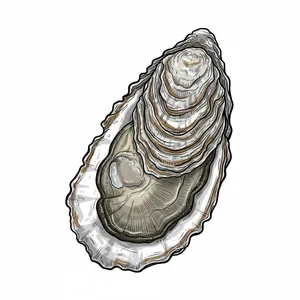
Nassawaddox Salt
US East CoastA balanced bayside Chesapeake oyster from Virginia's Eastern Shore. Grown in Nassawaddox Creek's moderate salinity waters, offering a meaty texture with rounded minerality, moderate brine, and cucumber-sweet notes.
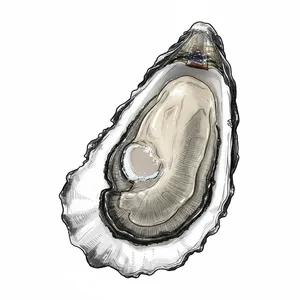
Great South Bay
US East CoastIconic Long Island oyster from the historic Blue Point grounds. Briny with high salinity, plump and meaty with firm texture, balanced sweetness, and a distinctive mineral-woody finish. Cultivated in floating cages near Fire Island Inlet.
Learn More
The Big Five: A Complete Guide to Commercial Oyster Species
Comprehensive guide to C. virginica (Atlantic), C. gigas (Pacific), C. sikamea (Kumamoto), O. lurida (Olympia), and O. edulis (European Flat)
Read article → Biology & SpeciesThe Atlantic Oyster (C. virginica): From Maritime Brine to Gulf Sweetness
Deep dive into America's indigenous East Coast oyster - flavor profiles, regional variations, and famous varieties
Read article → Merroir & EnvironmentWhat Is Merroir? How Water Shapes Oyster Flavor
Merroir is the marine version of terroir: how salinity, temperature, tides, and plankton in the growing water shape an oyster's flavor. The science, plus how to taste it.
Read article →