
Sea Cow
Crassostrea gigas
A tumbled Pacific oyster from South Puget Sound's Hammersley Inlet with extraordinary creamy richness and deep, funky earthiness. Flavors of wild mushrooms and umami make this the foie gras of the coast—an acquired taste for adventurous oyster lovers.
At a Glance
Sea Cow is a Pacific oyster (Crassostrea gigas) from the US West Coast. It is moderately briny (3/5 brininess) and moderately sweet (3/5 sweetness), with creamy, earthy, funky flavors and a finish that is deep, funky, lingering earthiness.
Flavor Profile
Finish
Deep, funky, lingering earthiness
Expert Notes
Sea Cow oysters are the foie gras of the Pacific Coast, with a decidedly creamy richness and deep, funky character that sets them apart from typical Puget Sound oysters. Named after the extinct Steller's Sea Cow, these tumbled oysters from Hammersley Inlet showcase the nutrient-rich, algae-laden waters of South Puget Sound with flavors reminiscent of wild mushrooms (especially boletes) and liver. Their moderate brine and intensely earthy finish reflect the unique terroir of an inlet far removed from the open ocean, intertwined with tidal flats and algal communities. Origin & Characteristics
- Species
- Crassostrea gigas
- Native to
- Japan
- Grown in
- Hammersley Inlet, South Puget Sound, Washington
- Size
- Medium (2.5-3.5 inches)
- Shell Color
- White to gray
- Meat Color
- Cream
Perfect Pairings
What Experts Say
Across 6 sources, tasters describe this oyster as:
Unique notes: wild mushrooms, boletes, liver, Japanese mochi, cream of cucumber soup, foie gras
"Crazy sweet. CRAZY sweet. Like some sort of earthy/salty Japanese mochi dessert. Adorable, too. Manga oysters, all around."
sweetearthysalty
"Very nice oysters. Mild, rich, and herbal, like cream of cucumber soup."
mildrichherbalcucumbercreamy
"Have really enjoyed eating these at Westward in Seattle. Fresh, clean flavor."
freshclean
"Sea Cows are easy to love, especially if you like lots of flavor and something to chew on. The oysters themselves are rich, plump, and incredibly sweet. Compared to crisper-tasting Blue Pools, these critters are a study in merroir: in how a watershed's chemistry and microalgae influence an oyster's flavor."
richplumpsweet
"Sea Cows have a moderate brine and a decidedly creamy richness, and instead of the sharp cucurbit finish of Blue Pools, they are deep and funky. 'Earthy' is the word Hama Hama uses to describe them, which is true, but what came to my mind was wild mushrooms (especially boletes) and liver. Think of them as the foie gras of the coast."
moderate brinecreamydeepfunkyearthy
"They are renowned for their rich, plump, and delightful taste, often described as deep and funky. The nutrient-rich waters of Hammersley Inlet contribute to their unique flavor profile."
richplumpdeepfunky
"Tide-tumbled by the James gang of Hama Hama oyster fame, but in a completely different body of water from their tumbled Blue Pools, resulting in a sweeter, creamier, less tannic oyster."
sweetcreamy
About the Farm
Hama Hama Company
Hama Hama is based at the Hamma Hamma river delta in Washington State's Hood Canal, on the edge of the Olympic Peninsula, long known for their beach-grown oysters and tumbling expertise.
- Cultivation Method
- tumbled
History & Background
Sea Cow oysters were released by Hama Hama Company as a tumbled oyster from Hammersley Inlet in South Puget Sound, representing a completely different watershed from their flagship Blue Pools from Hood Canal.
Named after Steller's Sea Cow, a massive manatee (30 feet long and 10 tons) that once ranged across the Pacific munching on kelp, going extinct in the late 1700s.
Did You Know?
- Rowan Jacobsen called them 'the foie gras of the coast' due to their rich, earthy, mushroom-like umami flavors
- Described as 'Manga oysters' due to their adorable appearance and sweet flavor profile
- Tasting Sea Cows side-by-side with Blue Pools provides an ideal study in the differences between Hood Canal and South Puget Sound terroir
Sources & References
This information was compiled from 6 sources.
- Sea Cow - OysteRater — oysterater.com
- Sea Cow Oyster Profile - Hama Hama Oyster Company — hamahamaoysters.com
- Sea Cow - The Oyster Guide — oysterguide.com
- Sea Cow Oysters - The Oyster Encyclopedia — oysterencyclopedia.com
- Seven Places to Experience Portland at Peak Oyster - Willamette Week — wweek.com
- Oyster heaven: Hama Hama hits upon a tasty business model - Seattle Times — seattletimes.com
Similar Oysters
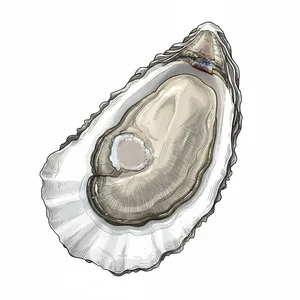
Drakes Bay
US West CoastHistoric Pacific oyster from Drake's Estero in Point Reyes National Seashore. Intensely briny with earthy, mushroomy notes and bitter herb finish. Bottom cage cultured in pristine waters until farm closure in 2012.
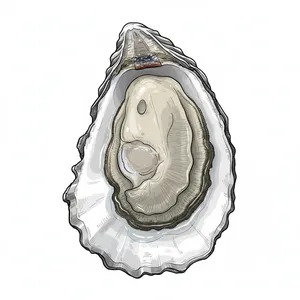
Goose Point
US West CoastSmall, plump Pacific oysters from Willapa Bay, Washington. Known for their intensely creamy, bacon-fat flavor with light salinity and a clean seaweed finish. Thick shells protect remarkably meaty interiors.
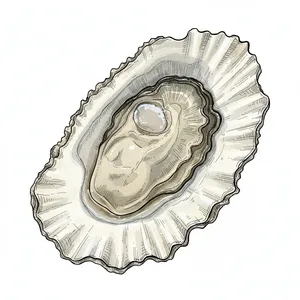
Calm Cove
US West CoastBeach-grown Pacific oyster from Washington's Totten Inlet and Hood Canal. Sweet and creamy with balanced brininess and a clean mineral finish. Cultivated by the Fagergren Family since 1946 in the nutrient-rich waters of South Puget Sound.
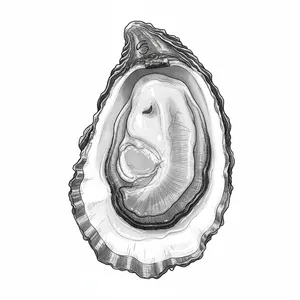
Gillardeau
FranceThe luxury standard. Exceptionally plump and creamy with intense minerality, sweet nuttiness, and refined balance from France's legendary fourth-generation oyster dynasty.
Chelsea Gem
US West CoastThe original tide-tumbled oyster from Eld Inlet's pristine waters. Deep-cupped with plump meats, mild brininess, silky creamy texture, and a signature sweet cucumber finish. A true Pacific Northwest gem.
Learn More
The Big Five: A Complete Guide to Commercial Oyster Species
Comprehensive guide to C. virginica (Atlantic), C. gigas (Pacific), C. sikamea (Kumamoto), O. lurida (Olympia), and O. edulis (European Flat)
Read article → Biology & SpeciesThe Pacific Oyster (C. gigas): Cream, Cucumber, and the Japanese Legacy
Understanding the world's most cultivated oyster - from Japanese origins to West Coast dominance
Read article → Merroir & EnvironmentWhat Is Merroir? How Water Shapes Oyster Flavor
Merroir is the marine version of terroir: how salinity, temperature, tides, and plankton in the growing water shape an oyster's flavor. The science, plus how to taste it.
Read article →