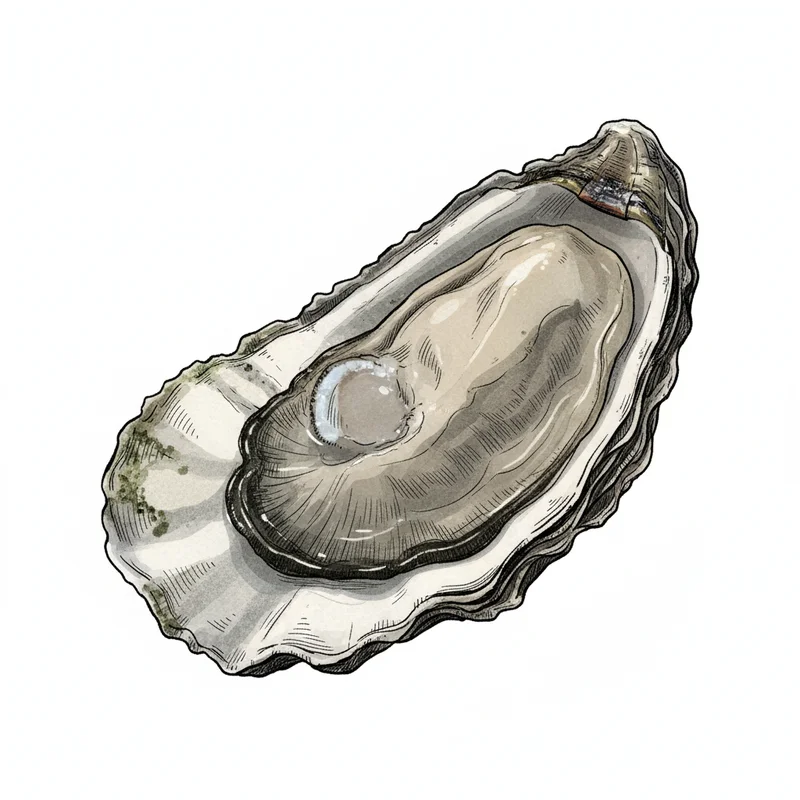
Shelter Island
Crassostrea virginica
Medium-sized Long Island Sound oyster with balanced brine and subtle sweetness. Firm texture with clean finish and umami notes. Larger and saltier than Bluepoints, from historic oyster-growing waters.
At a Glance
Shelter Island is an Eastern oyster (Crassostrea virginica) from the US East Coast. It is moderately briny (3/5 brininess) and moderately sweet (3/5 sweetness), with briny, sweet flavors and a finish that is clean, bright, balanced. It is considered a beginner-friendly oyster.
Flavor Profile
Finish
Clean, bright, balanced
Expert Notes
Shelter Island oysters are cultivated in the nutrient-rich waters between Long Island and Connecticut, developing a distinctive medium brine balanced by subtle sweetness. Historically connected to the prominent Shelter Island Oyster Company that operated until the 1950s, these oysters are larger and saltier than traditional Bluepoints. The firm texture and balanced flavor profile, enhanced by umami notes, reflect the pristine waters of the Peconic Estuary and Long Island Sound. Origin & Characteristics
- Species
- Crassostrea virginica
- Native to
- USA
- Grown in
- Connecticut side of Long Island Sound, Peconic Estuary, Long Island, New York
- Size
- Medium (2.5-4 inches)
- Shell Color
- Gray-white with darker tints
- Meat Color
- Light gray to cream
What Experts Say
Across 7 sources, tasters describe this oyster as:
Unique notes: crisp, wafer-thin shells, black-and-rust shells
"Briny and crisp, with a sweet finish"
brinycrispsweet
"A savory three-inch oyster. Like other Peconic Bay oysters, Shelter Islands have the distinctive black-and-rust shells and the black stripe on the top valve. The shells are wafer-thin."
savorysalty
"Mine are really briny and have a mineral [taste]"
brinymineral
"Fresh briny taste to Invictus Oysters [from Shelter Island Sound]"
brinyfresh
"Plump, buttery flavor with a full finish"
plumpbutteryfull
About the Farm
Multiple producers including Eel Town Oysters and Invictus Oyster Company
Est. 2019Modern Shelter Island oysters revive the historic name of the Shelter Island Oyster Company (1800s-1950s). Eel Town Oysters, launched in 2019 by Bert Waife, grows oysters in mesh bags in the clean waters around Shelter Island. Invictus Oyster Company farms in Southold Bay with strong tidal flow from Shelter Island Sound.
- Cultivation Method
- rack and bag
History & Background
The Shelter Island Oyster Company was founded by John Plock and was one of the major players in Long Island's oyster industry from the late 1800s until the 1950s. John Plock also invented the 'Shuck-Em' mechanical oyster opening device. The company eventually ceased operations, and the name was revived by modern oyster farmers in the 21st century.
Shelter Island has deep historical roots in oyster cultivation, with the island sheltered between the twin forks of Long Island. A quarter of the island is devoted to the Mashomack Nature Conservancy Preserve. Long Island history abounds with oyster names that 'caught fire and quickly vanished in a conflagration of overconsumption,' including Shelter Island, though the name has been successfully revived.
Did You Know?
- John Plock invented the 'Shuck-Em' mechanical oyster opening device
- The Shellfisher Preserve in Southold is the former site of the historic Shelter Island Oyster Company facility
- Shelter Island oysters have distinctive black-and-rust shells with a black stripe on the top valve
- The oyster shells are notably wafer-thin and require careful handling
Sources & References
This information was compiled from 7 sources.
- Shelter Island - The Oyster Guide — oysterguide.com
- Island Profile: Bert Waife - Shelter Island Reporter — shelterislandreporter.timesreview.com
- Neighborhood Guide for Shelter Island, Hamptons — nestseekers.com
- When the oyster was Shelter Island's world — shelterislandreporter.timesreview.com
- Invictus Oyster Co. - LIOGA — liogany.org
- Peconic Bay Oysters — chefs-resources.com
- The Case for Oysters, Our Sixth Ingredient of the Week — ediblebrooklyn.com
Similar Oysters
North Haven
US East CoastA distinctive Maine oyster from North Haven Island. Round and heavy with bright emerald green shells. Perfectly balanced earthiness and brine with honey and melon notes, finishing clean and mellow.
Pine Island
US East CoastHistoric Long Island Sound oyster harvested by traditional dredge methods since 1887. Large, robust shells with full meats. Balanced brine and sweetness with a crisp texture and sweet finish.
Barnstable
US East CoastA classic Cape Cod Bay oyster from historic Barnstable Harbor. Sweet and nutty with firm, crunchy texture, balanced brine, and a distinctive lobster-stock finish reminiscent of a New England clambake.
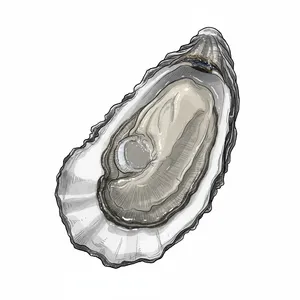
Blue Point (Great South Bay)
US East CoastThe legendary Blue Point oyster, restored to its original Great South Bay home. Full-salt brininess with sweet honeydew finish and distinctive pine and anise notes. A historic American favorite since the 1820s.
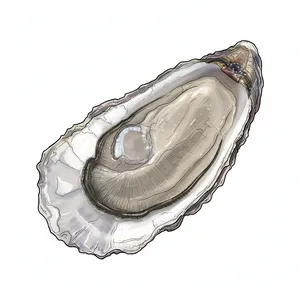
Bodie Island
US East CoastThe Outer Banks' first farmed oyster from North Carolina. Medium-sized with balanced salinity, offering a harmonious blend of sweet and salt with firm texture from off-bottom tray cultivation.
Learn More
The Big Five: A Complete Guide to Commercial Oyster Species
Comprehensive guide to C. virginica (Atlantic), C. gigas (Pacific), C. sikamea (Kumamoto), O. lurida (Olympia), and O. edulis (European Flat)
Read article → Biology & SpeciesThe Atlantic Oyster (C. virginica): From Maritime Brine to Gulf Sweetness
Deep dive into America's indigenous East Coast oyster - flavor profiles, regional variations, and famous varieties
Read article → Merroir & EnvironmentWhat Is Merroir? How Water Shapes Oyster Flavor
Merroir is the marine version of terroir: how salinity, temperature, tides, and plankton in the growing water shape an oyster's flavor. The science, plus how to taste it.
Read article →