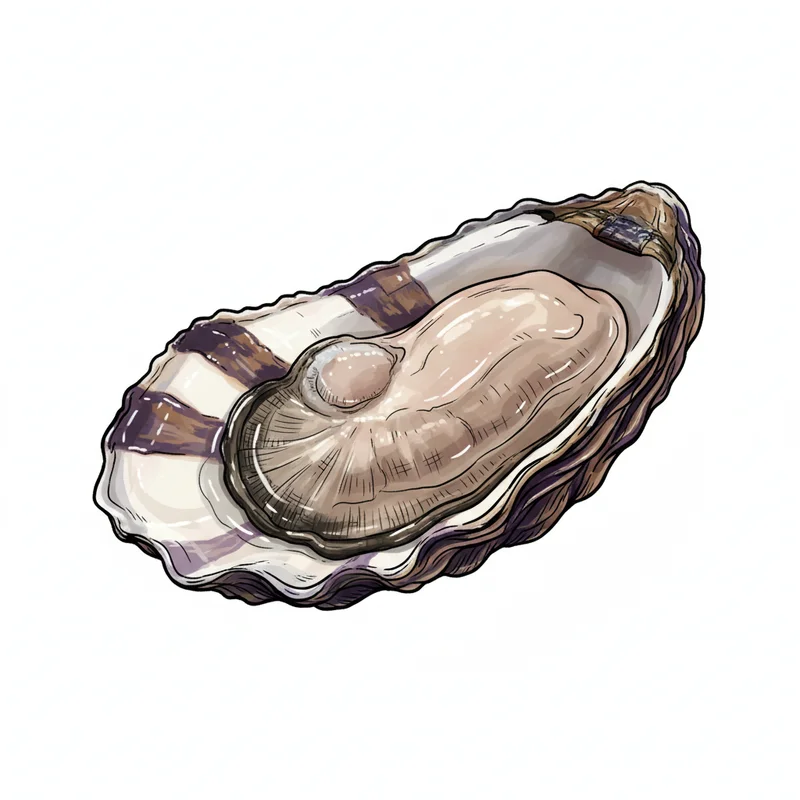
Shibumi
Crassostrea gigas
Small, deeply-cupped Pacific oyster from Eld Inlet, southern Puget Sound. Tide-tumbled to perfection with plump, sweet meat, low salinity, and a distinctive smoky finish with unique notes of Jerusalem artichoke and raw green bean.
At a Glance
Shibumi is a Pacific oyster (Crassostrea gigas) from the US West Coast. It is mildly briny (2/5 brininess) and distinctly sweet (4/5 sweetness), with sweet, balanced brine flavors and a finish that is distinctive smoky finish with notes of jerusalem artichoke and raw green bean. It is considered a beginner-friendly oyster.
Flavor Profile
Finish
Distinctive smoky finish with notes of Jerusalem artichoke and raw green bean
Expert Notes
Shibumi oysters are meticulously cultivated using innovative tidal tumbling techniques in the nutrient-rich waters of Eld Inlet, southern Puget Sound. These oysters showcase a beautiful balance of plump, buttery meat with well-balanced saltiness and an inimitable finish. The unique terroir of Eld Inlet contributes distinctive vegetable notes of Jerusalem artichoke and raw green bean, creating what some call an 'oyster Rorschach'—offering nuanced flavors that can vary for different palates at different times. Origin & Characteristics
- Species
- Crassostrea gigas
- Native to
- Japan
- Grown in
- Eld Inlet, Southern Puget Sound, Washington
- Size
- Small (2-3 inches)
- Shell Color
- Smooth brown, purple, and white-striped
- Meat Color
- Slight pink tinge
What Experts Say
Across 6 sources, tasters describe this oyster as:
Unique notes: Jerusalem artichoke, raw green bean, cantaloupe
"What you get is a small, 2.5-inch oyster with a smooth brown, purple, and white-striped shell. There's a slight pink tinge to the flesh, a beautiful balance of creaminess and brine, and an inimitable finish of Jerusalem artichoke and raw green bean that is distinctive to Eld Inlet. Wow!"
creamybrinyJerusalem artichokeraw green beansweet
"Delicate and refreshing"
delicaterefreshing
"Using innovative tidal tumbling techniques, Shibumi oysters are deeply cupped, have plump sweet meat, very low salinity, and a lingering smoky finish."
sweetlow salinitysmokyplump
"This tide-tumbled oyster is deeply cupped with incredibly clean and succulent meat. It has hints of cantaloupe and cucumber laced with subtle notes of salt and whispers of faint smoke on the finish."
cleansucculentcantaloupecucumbersalty
"Designed with New York flair and cultivated in the algae rich waterways of Skagit Bay, Washington, Shibumi oysters are an 'Oyster Rorschach', offering different flavors at different times for different people."
variablealgae-rich
About the Farm
Blue Island Shellfish Farms
Blue Island Shellfish Farms meticulously grows Shibumi oysters to exact specifications using innovative tidal tumbling techniques in the nutrient-rich waters of Skagit Bay and Eld Inlet, Washington.
- Cultivation Method
- tumbled
History & Background
Shibumi oysters are the third tide-tumbled Pacific oyster to hit the market, along with Shigokus and Chelsea Gems, first introduced around 2010.
Marketed as 'the world's sexiest oyster' and designed with New York flair, Shibumi has been described as an 'Oyster Rorschach' offering different flavor experiences to different people.
Did You Know?
- Named 'Shibumi' - a Japanese aesthetic concept meaning subtle beauty and elegance
- Described as an 'Oyster Rorschach' due to its varying flavor profiles
- Grown in two different locations: Eld Inlet and Skagit Bay, which may contribute to flavor variations
Sources & References
This information was compiled from 6 sources.
- Shibumis — The Oyster Guide
- Shibumi Oyster — Oysterater
- Meet Shibumi...the World's Sexiest Oyster — Blue Island Oyster Bar
- Shibumi — Fortune Fish & Gourmet
- West Coast Oysters — Naked Cowboy Oysters
- New in: Shibumi Oysters — Brasserie Laurel Facebook
Similar Oysters
Barron Point
US West CoastHand-sized Pacific oyster from Little Skookum Inlet in southern Puget Sound. Sweet and mildly salty with plump, tender meat and a distinctive musky finish. A well-balanced West Coast favorite.
Henderson Inlet
US West CoastA community-farmed Puget Sound oyster from a restored watershed. Small and plump with sweet, buttery meat, light salinity, and a distinctive cucumber-earthy finish. All proceeds support water quality restoration.
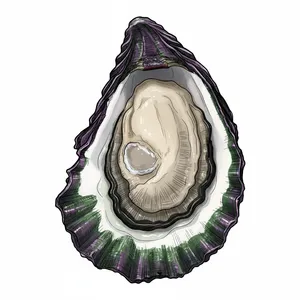
Judd Cove
US West CoastA mild, sweet Pacific oyster from Orcas Island in Washington's San Juan Islands. Features beautiful purple and green swirled shells, creamy white meat with a distinctive black mantle, and a clean vegetal flavor with minimal salinity. Highly sought after by discerning Seattle chefs.
Rainier
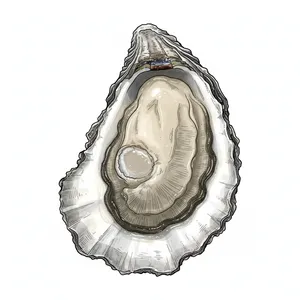
US West CoastLarge beach-grown Pacific oyster from South Puget Sound. Known as the 'big bad boys' of Puget Sound with plump, full meats, buttery creamy texture, light brininess and sweet flavor. Perfect for grilling or raw.
Skookum
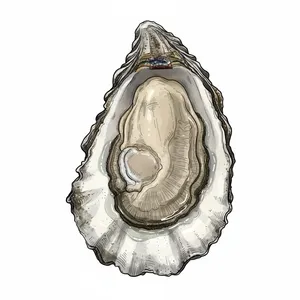
US West CoastA sweet, mild Pacific Northwest oyster from South Puget Sound's Little Skookum Inlet. Melon-scented with low brininess and a creamy, herbaceous finish. Farmed since 1883 using rack & bag to beach cultivation.
Learn More
The Big Five: A Complete Guide to Commercial Oyster Species
Comprehensive guide to C. virginica (Atlantic), C. gigas (Pacific), C. sikamea (Kumamoto), O. lurida (Olympia), and O. edulis (European Flat)
Read article → Biology & SpeciesThe Pacific Oyster (C. gigas): Cream, Cucumber, and the Japanese Legacy
Understanding the world's most cultivated oyster - from Japanese origins to West Coast dominance
Read article → Merroir & EnvironmentWhat Is Merroir? How Water Shapes Oyster Flavor
Merroir is the marine version of terroir: how salinity, temperature, tides, and plankton in the growing water shape an oyster's flavor. The science, plus how to taste it.
Read article →