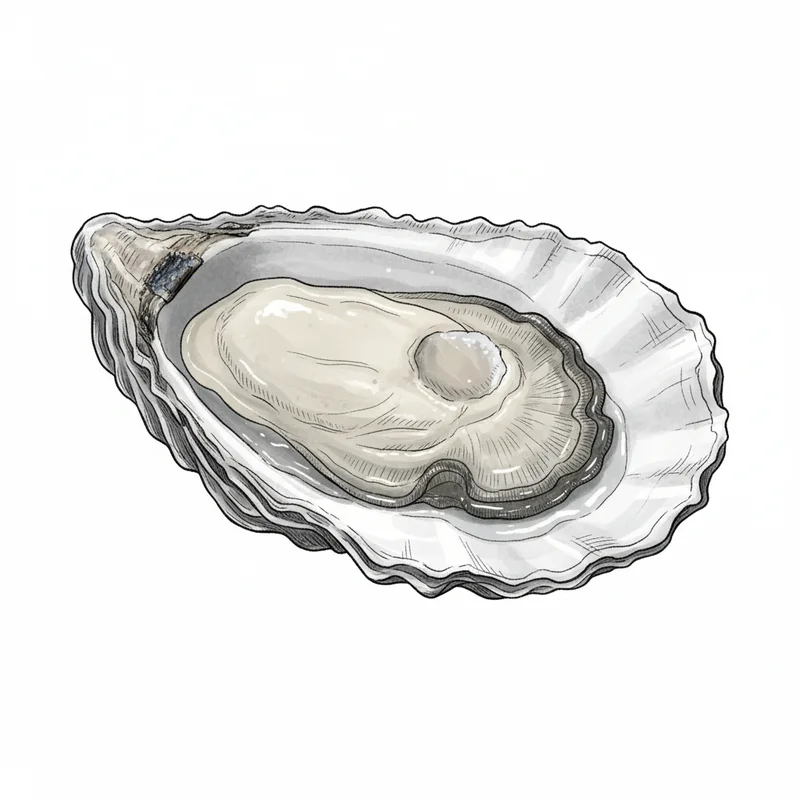
Shigoku
Crassostrea gigas
Tumbled Pacific with firm texture. Cucumber, melon, clean brine.
At a Glance
Shigoku is a Pacific oyster (Crassostrea gigas) from the US West Coast. It is moderately briny (3/5 brininess) and moderately sweet (3/5 sweetness), with sweet, cucumber flavors and a finish that is crisp, clean, refreshing. It is considered a beginner-friendly oyster.
Flavor Profile
Finish
Crisp, clean, refreshing
Expert Notes
Shigoku means 'ultimate' in Japanese, and these tumbled Pacific oysters live up to the name. The tumbling process creates a distinctive deep cup, firm texture, and concentrated flavor. Origin & Characteristics
- Species
- Crassostrea gigas
- Native to
- Japan
- Grown in
- Willapa Bay, WA
- Size
- Small (2-2.5 inches)
- Shell Color
- White to gray
- Meat Color
- Cream
What Experts Say
Across 9 sources, tasters describe this oyster as:
Unique notes: water chestnut, Jerusalem artichoke, smoky, springy, complex
"A small, dense, cornucopia of an oyster. A light, clean taste of cucumber and salt, with a finish of water chestnut and Jerusalem artichoke."
cucumbersaltwater chestnutJerusalem artichokelight
"Strong brininess with a sweet finish and firm, plump texture."
brinysweetfirmplump
"Smooth brine, plump and springy meats with a pleasant cucumber finish."
brinysmoothplumpspringycucumber
"This petite oyster is found in a deeply cupped shell and has a wonderfully sweet and smoky finish. It's plump and creamy. There's a good balance of salt and brine."
sweetsmokyplumpcreamysalty
"The Marvin Gaye of oysters. Subtle and complex. Rhythm and Blues. A light, clean dash of salt, with a touch of sweet cucumber make these Pacific beauties a show-stopping snack."
subtlecomplexlightcleansalty
"Briny bite, sweet flavor, and hint of cucumber. Firm, plump, perfect for the half shell."
brinysweetcucumberfirmplump
About the Farm
Taylor Shellfish Farms
Taylor Shellfish began with great great-grandfather's oyster farming in Totten Inlet with the tiny Olympia Oyster. Today led by Bill and Paul Taylor and brother-in-law Jeff Pearson, the company has grown to over 500 employees and expanded beyond tidelands to bring product from tide to table.
- Cultivation Method
- floating bags
- Certifications
- Food Alliance
History & Background
Shigoku oysters were developed and released in 2009 by Taylor Shellfish Company, created by Justine Taylor. They represent an innovative cultivation technique using stationary lines with floating bags that rise and fall with tides, tumbling the oysters twice daily.
The name 'Shigoku' means 'ultimate' in Japanese, reflecting the oyster's premium status. Many consider it the ultimate oyster, though it remains sought-after due to limited cultivation and availability.
Did You Know?
- Shigoku was called 'the most encouraging thing to happen in 2009' by oyster expert Rowan Jacobsen
- The tumbling technique was a variation on British Columbia's more labor-intensive Kusshi method
- Taylor Shellfish now offers Shigoku in three sizes: regular Shigokus (2 inches), Fat Bastards (3 inches), and Grand Crus (4 inches)
- Most Grand Cru Shigokus end up in Hong Kong
- Real Oyster Cult describes them as 'The Marvin Gaye of oysters' for being subtle and complex
Sources & References
This information was compiled from 9 sources.
- Shigokus — Oyster Guide
- Shigoku Oysters (30 pcs) - Taylor Shellfish Farms — Taylor Shellfish Farms
- Shigoku Oyster — Oysterology Online — Pangea Shellfish Company
- Shigoku Oysters — Chefs Resources
- Oyster Tasting Log - Peek & Eat — Peek & Eat Blog
- Shigoku - Real Oyster Cult — Real Oyster Cult
- Shigokus Branching Out — Oyster Guide
- Client Spotlight: Taylor Shellfish Farms — Food Alliance
- Oysters & Chablis Pairing Guide — Oyster Guide
Similar Oysters
Dosewallips
US West CoastBeach-grown Pacific oyster from central Hood Canal where the Dosewallips River meets the sea. Sweet and cucumbery with a creamy texture, balanced brininess, and a light, clean finish.
Samish Bay
US West CoastBeach-cultured Pacific oyster from historic Samish Bay in Northern Puget Sound. Firm, plump meats with medium brininess, mild sweetness, and a distinctive refreshing cucumber finish. Rustic lichen-green shells.
Hammersley Inlet
US West CoastBeach-grown Pacific oyster from South Puget Sound's Hammersley Inlet. Plump and sweet with mild saltiness, rich body, and a distinctive cucumber-melon finish. Grown in nutrient-dense waters for excellent meat-to-shell ratio.
Willapa Bay
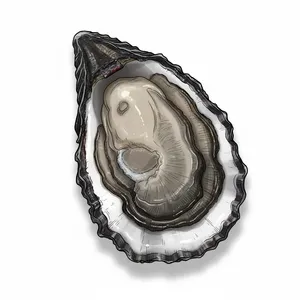
US West CoastBeach-grown Pacific oyster from Washington's pristine Willapa Bay. Tumbled in tidal bags for smooth, dark shells and crisp texture. Light brininess with sweet, herbaceous notes and a signature cucumber finish.
Cold Creek
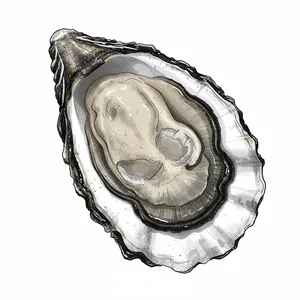
US West CoastCultivated Pacific oyster from Southern Puget Sound with plump, sweet meat and midsized white-and-black shells. Balanced brininess with a distinctive salty-melon finish reminiscent of a New England clambake.
Learn More
The Big Five: A Complete Guide to Commercial Oyster Species
Comprehensive guide to C. virginica (Atlantic), C. gigas (Pacific), C. sikamea (Kumamoto), O. lurida (Olympia), and O. edulis (European Flat)
Read article → Biology & SpeciesThe Pacific Oyster (C. gigas): Cream, Cucumber, and the Japanese Legacy
Understanding the world's most cultivated oyster - from Japanese origins to West Coast dominance
Read article → Merroir & EnvironmentWhat Is Merroir? How Water Shapes Oyster Flavor
Merroir is the marine version of terroir: how salinity, temperature, tides, and plankton in the growing water shape an oyster's flavor. The science, plus how to taste it.
Read article →