Shiny Sea
Crassostrea virginica
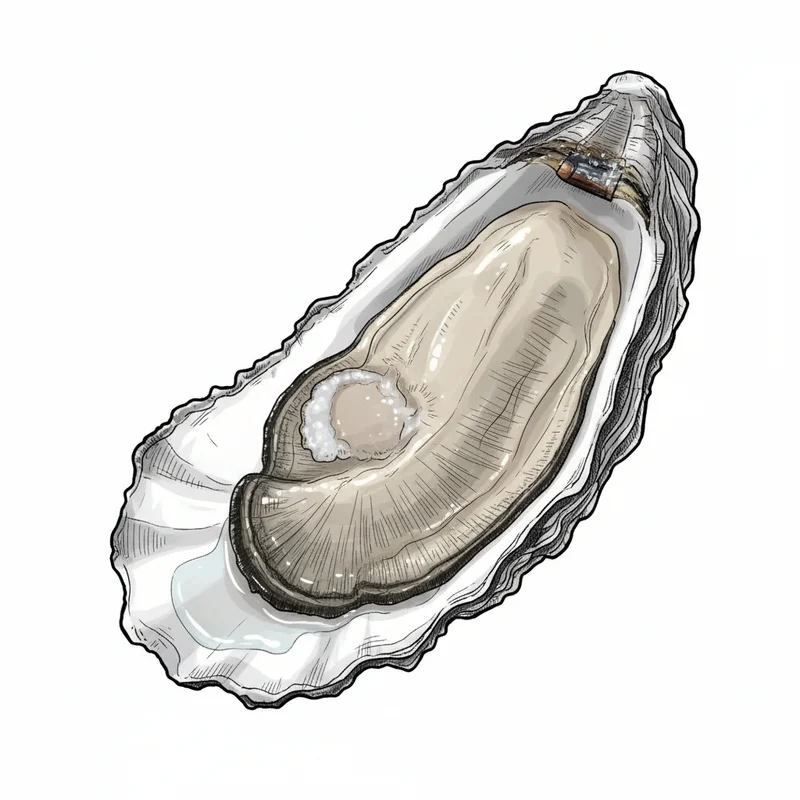
A beautifully presented cocktail-grade oyster from New London Bay, PEI. Deep-cupped with plump meats, delivering an immediate salty taste followed by a subtle, sweet finish.
At a Glance
Shiny Sea is an Eastern oyster (Crassostrea virginica) from the Canada East Coast. It is notably briny (4/5 brininess) and moderately sweet (3/5 sweetness), with briny, sweet flavors and a finish that is subtle, sweet finish.
Flavor Profile
Finish
Subtle, sweet finish
Expert Notes
Shiny Sea oysters from New London Bay present themselves beautifully on the half shell with full, deep cups containing plump, glistening meats. Handled extensively during early growth stages and harvested young after 3-4 years, these cocktail-grade oysters deliver an immediate salty punch that transitions smoothly into a subtle, sweet finish. The ideal flavors are derived from native food sources flowing in from several small tributaries around the bay in PEI National Park, creating a distinctive and refined taste profile perfect for the delicate oyster enthusiast. Origin & Characteristics
- Species
- Crassostrea virginica
- Native to
- USA
- Grown in
- New London Bay, Prince Edward Island
- Size
- Small (2.5-3 inches)
- Shell Color
- White to gray
- Meat Color
- Plump, glistening
What Experts Say
Across 9 sources, tasters describe this oyster as:
Unique notes: immediate salty taste, subtle sweet finish, delicate
"The cups are full, with plump meats that have an immediate salty taste and end with a subtle, sweet finish."
saltysweetplump
"Filled with plump meat, they have an immediate salty taste and end with a subtle, sweet finish."
saltysweetplump
"Their cups are full with plump meat that has an immediate salty taste and ends with a subtle sweet finish."
saltysweetplump
"good but small"
small
"Very nice… Worthy of a try."
"At 2½" in size, these are considered to be the "baby brother" of the larger 3" Raspberry Point variety. These bottom cultures are also grown in New London Bay."
small
"From left to right and least salty to most salty: Tickle Point, Raspberry Point, Green Gable, Daisy Bay, Irish Point and Shiny Sea."
saltybriny
About the Farm
Raspberry Point Oyster Co.
Raspberry Point Oyster Co. raises cocktail, small, and large choice oysters in the picturesque cool, clear waters off Prince Edward Island. Their leases are some of the most northern stocks of oysters in North America, where each oyster takes 3-6 years to reach market size.
- Cultivation Method
- off-bottom cages
History & Background
Shiny Sea is the newest flavor offered from the skilled oyster growers in New London Bay, grown in PEI National Park. It is marketed as a cocktail-grade version of the well-known Raspberry Point oyster.
Grown in New London Bay within PEI National Park, these oysters are part of Prince Edward Island's rich Malpeque oyster tradition, benefiting from the salty influx of the Gulf of St. Lawrence and cool water temperatures.
Did You Know?
- Considered the 'baby brother' of the larger Raspberry Point variety
- Named 'Shiny Sea' for its beautiful presentation on the half shell
- Takes approximately 3-4 years to reach market size of 2.5-3 inches
- Grown in cages that roll with the currents
- Ranked as most salty among PEI Malpeque oyster varieties in blind tasting
Sources & References
This information was compiled from 9 sources.
- Shiny Seas Oysters — Atlantic Aqua Farms USA
- Shiny Sea Oysters — Raspberry Point Oyster Co.
- Shiny Sea Oyster — Oysterater
- Know Your Oysters — Raspberry Point
- Sims Corner Steakhouse and Oyster Bar — A Canadian Foodie
- Aw, Shucks! The Merroir of PEI Malpeque Oysters — My Island Bistro Kitchen
- Superior Foods Oysters — Superior Foods
- Blog - Oyster Growth — Aphrodite Oysters
- OysterFinder — The Oyster Guide
Similar Oysters
French Kiss
Canada East CoastA larger, mature Beausoleil from Miramichi Bay, New Brunswick. Full and plump with sharp brininess, clean taste, and a sweet finish. Hand-packed with exceptional attention to detail.
Gooseberry Bay
Canada East CoastFarm-raised in floating bags in Malpeque Bay, Prince Edward Island. Briny with sweet, nutty astringency, firm plump meats, and abundant rich liquor from the nutrient-rich Cape Shore waters.
Raspberry Point
Canada East CoastA substantial PEI oyster with impressive size and balance. Briny with a clean, sweet finish and firm, plump meat.
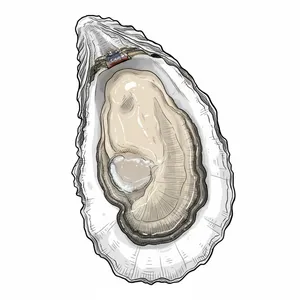
Salutation Cove
Canada East CoastA choice farm-raised oyster from Prince Edward Island's pristine Salutation Cove. Deep-cupped with high salinity and crisp liquor, finishing clean and sweet with distinctive fruity notes.
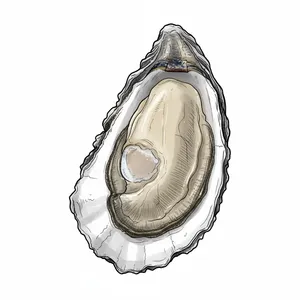
Daisy Bay
Canada East CoastA well-balanced Prince Edward Island oyster grown wild in red bay mud. Leads with bright salinity and finishes with mild cucumber smoothness and sweet notes. Cultivated for 4-6 years in pristine northern waters.
Learn More
The Big Five: A Complete Guide to Commercial Oyster Species
Comprehensive guide to C. virginica (Atlantic), C. gigas (Pacific), C. sikamea (Kumamoto), O. lurida (Olympia), and O. edulis (European Flat)
Read article → Biology & SpeciesThe Atlantic Oyster (C. virginica): From Maritime Brine to Gulf Sweetness
Deep dive into America's indigenous East Coast oyster - flavor profiles, regional variations, and famous varieties
Read article → Merroir & EnvironmentWhat Is Merroir? How Water Shapes Oyster Flavor
Merroir is the marine version of terroir: how salinity, temperature, tides, and plankton in the growing water shape an oyster's flavor. The science, plus how to taste it.
Read article →