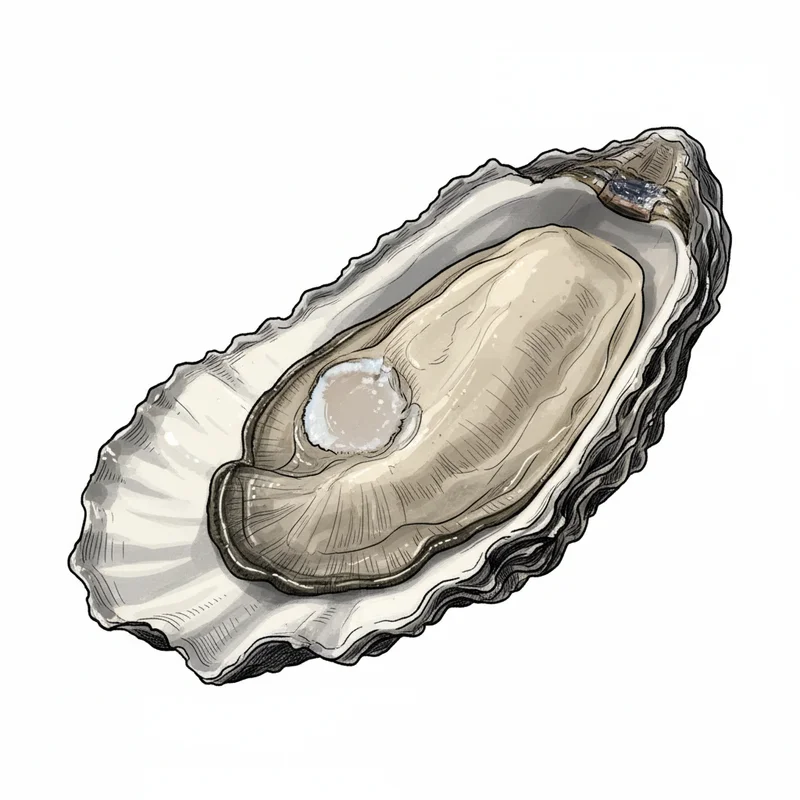
Skookum
Crassostrea gigas
A sweet, mild Pacific Northwest oyster from South Puget Sound's Little Skookum Inlet. Melon-scented with low brininess and a creamy, herbaceous finish. Farmed since 1883 using rack & bag to beach cultivation.
At a Glance
Skookum is a Pacific oyster (Crassostrea gigas) from the US West Coast. It is mildly briny (2/5 brininess) and distinctly sweet (4/5 sweetness), with sweet, mild brine, melon flavors and a finish that is vegetable, herbaceous, lettuce-like. It is considered a beginner-friendly oyster.
Flavor Profile
Finish
Vegetable, herbaceous, lettuce-like
Expert Notes
Skookum oysters from Little Skookum Inlet showcase the unique terroir of South Puget Sound's farthest inland waters. Cultivated using the rack & bag to beach method, these oysters spend their final six months toughening on the beach, developing firmer meats and stronger shells while maintaining their signature sweet, melon-scented character. The freshwater influence from inland sources results in remarkably low salinity, allowing the oyster's natural sweetness and full-flavored muskiness to shine through with a distinctive herbaceous finish. Origin & Characteristics
- Species
- Crassostrea gigas
- Native to
- Japan
- Grown in
- Little Skookum Inlet, South Puget Sound, Washington
- Size
- Small to Medium (3-4 inches)
- Shell Color
- Ridged, gray-white
- Meat Color
- Cream
What Experts Say
Across 11 sources, tasters describe this oyster as:
Unique notes: melon-scented, herbaceous, funky, smoky, fruity finish
"If Penn Coves exemplify the 'light and lettucey' side of Pacific oysters, Skookums show Pacifics at the other extreme. These rich and musky oysters grow fat on the 'algae farms'—mudflats—at the head of Little Skookum Inlet."
richmuskyfat
"Little Skookum oysters are not salty. The inlet creates a thick, funky soup that grows fat, buttery clams and oysters."
butteryfatfunkynot salty
"Small, deep-cupped, with a ridged shell and plump flesh that is sweet and melon-scented."
sweetmelon-scentedplump
"Deep-cupped and plump, Skookums have an attractive appearance due to the high mineral content of the water in which they are grown. Their flavor is very sweet with a mild fruity finish."
sweetfruityplumpmineral
"Little Skookum is an algae-rich oyster factory with lots of tidal current, known for producing sweet, firm, richly flavored oysters with beautiful frilly shells. These are buttery, plump oysters with a mild brine. To use wine as a comparison, Wildcats are a California Chardonnay, whereas an oyster from Hood Canal is more like a Sauvignon Blanc."
sweetfirmbutteryplumpmild brine
"Skookum: Farmed, West Coast. Washington State. 3-4" across. Small, ridged shells, very light, creamy and herbaceous flavor, minimal brine."
lightcreamyherbaceousminimal brine
"Sweet, mild fruity flavor with a musky finish. Firm, plump texture."
sweetmildfruitymuskyfirm
"A lot of freshwater feeding out of Little Skookum results in sweet, musky oysters with mild salinity."
sweetmuskymild salinity
"Pleasantly creamy texture, but straightforward flavor profile. Chippy and a bit muddy for the home shucker. Good, not great."
creamystraightforwardmuddy
"This oyster reminds me of the rugged outdoors. It has a smoky, earthy and metallic taste."
smokyearthymetallic
"These oysters have a distinctive flavor profile: sweet and mildly salty with a musky finish, attributed to the nutrient-rich waters of their habitat."
sweetmildly saltymusky
About the Farm
Little Skookum Shellfish Growers
Est. 1883Founded when Jeremiah Lynch left the California gold rush and headed north, discovering Little Skookum Bay and deciding to homestead. Six generations of shellfish farming history in Washington State.
- Cultivation Method
- rack and bag
History & Background
Established in 1849 when Jeremiah Lynch homesteaded in Little Skookum Inlet after the California gold rush. The inlet has been continuously farmed for shellfish for over 140 years, making it one of the oldest oyster farming operations in Washington State.
Little Skookum Inlet is located at the farthest capillary of Puget Sound, fed by Lynch Creek which is stuffed with salmon each fall. The name 'Skookum' is derived from local indigenous language. The inlet's unique geography - a wide, shallow U-shaped basin that empties completely at low tide - creates ideal conditions for oyster farming.
Did You Know?
- Little Skookum Inlet empties completely into Totten Inlet at low tide and is one continuous shellfish bed from shore to shore
- The exposed upstream mudflats act as natural algae incubators, creating a thick soup that feeds the oysters
- Hama Hama Oyster Company now leases beaches from the Wallin Family who grew oysters there for 30 years, marketing them as 'Wildcat' oysters
Sources & References
This information was compiled from 11 sources.
- Skookum - Hood Canal and Southern Puget Sound — Oyster Guide
- CHOW Oyster Guide — Oyster Guide
- Skookum Inlet Oyster — Marinelli Shellfish
- Wildcat Oyster Flavor Profile — Hama Hama Oyster Company
- Skookum Oysters — Chefs Resources
- Skookum Point — Oysterater
- Your Essential Guide to Oysters — Fulton Fish Market
- Little Skookum Shellfish Growers, Inc. — FishChoice
- Little Skookum Shellfish Growers: Six Generations of Shellfish Farming — Thurston Talk
- Barron Point Oysters — The Oyster Encyclopedia
- Oyster Tasting Log — Peek & Eat
Similar Oysters
Pickering Passage
US West CoastA Pacific Northwest oyster from southern Puget Sound's nutrient-rich waters. Medium to large with tender, plump meats. Mild brine balanced with sweet richness and a crisp finish of melon and cucumber.
Barron Point
US West CoastHand-sized Pacific oyster from Little Skookum Inlet in southern Puget Sound. Sweet and mildly salty with plump, tender meat and a distinctive musky finish. A well-balanced West Coast favorite.
Henderson Inlet
US West CoastA community-farmed Puget Sound oyster from a restored watershed. Small and plump with sweet, buttery meat, light salinity, and a distinctive cucumber-earthy finish. All proceeds support water quality restoration.
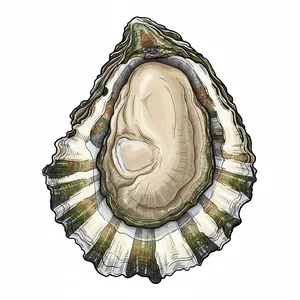
Yaquina
US West CoastLarge, sweet Pacific oyster from Yaquina Bay, Oregon. Creamy texture with subtle brininess and a clean finish. Grown in nutrient-rich waters with exceptional tidal exchange for a distinctively sweet taste.
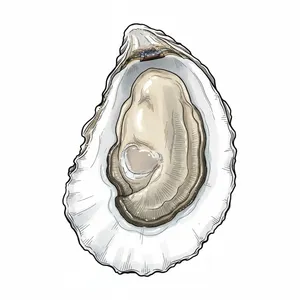
Sunset Beach
US West CoastBeach-raised Pacific oyster from Hood Canal, Washington. Full, plump meats with mild brininess, sweet flavor, and a distinctive melon-like aftertaste. Thick shells and crunchy texture from intertidal cultivation.
Learn More
The Big Five: A Complete Guide to Commercial Oyster Species
Comprehensive guide to C. virginica (Atlantic), C. gigas (Pacific), C. sikamea (Kumamoto), O. lurida (Olympia), and O. edulis (European Flat)
Read article → Biology & SpeciesThe Pacific Oyster (C. gigas): Cream, Cucumber, and the Japanese Legacy
Understanding the world's most cultivated oyster - from Japanese origins to West Coast dominance
Read article → Merroir & EnvironmentWhat Is Merroir? How Water Shapes Oyster Flavor
Merroir is the marine version of terroir: how salinity, temperature, tides, and plankton in the growing water shape an oyster's flavor. The science, plus how to taste it.
Read article →